itstargetnews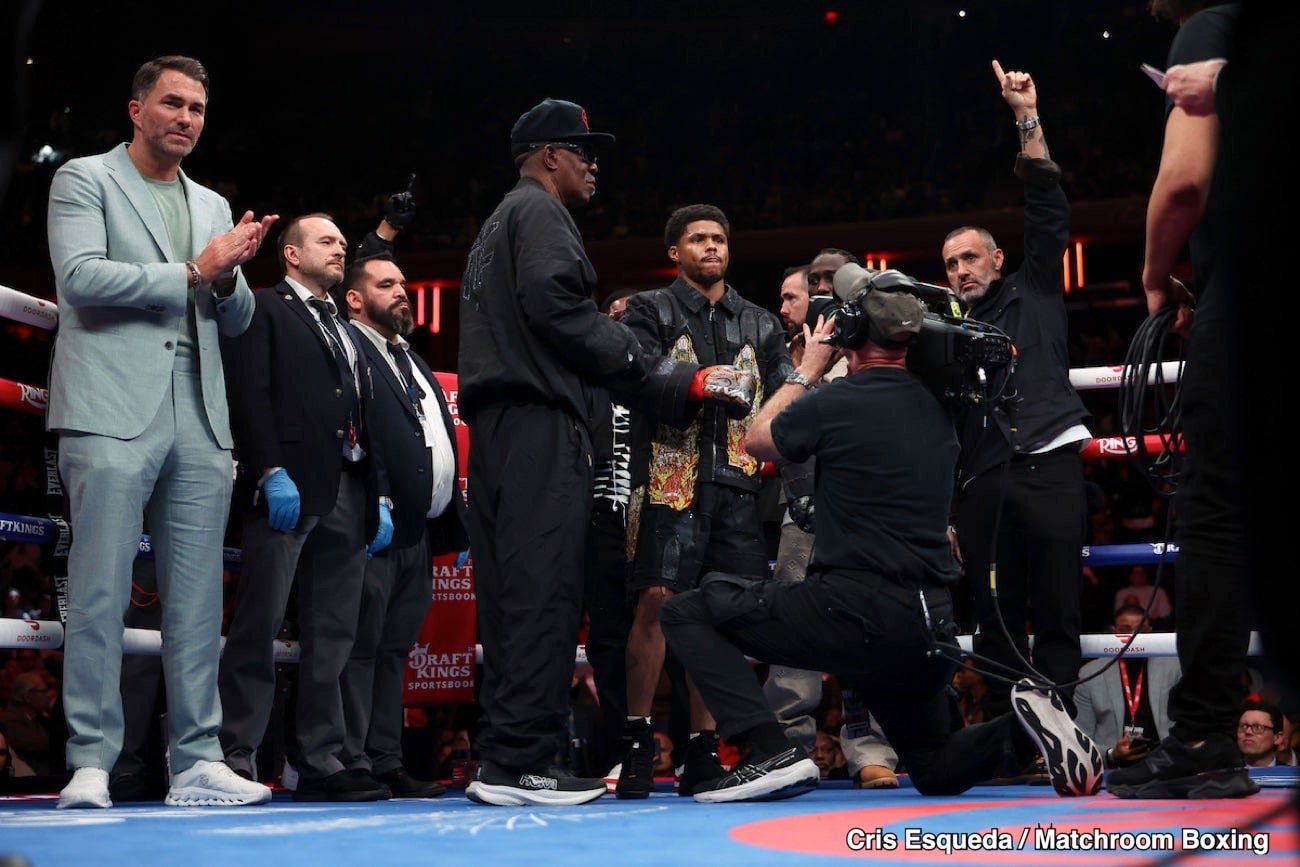


There is no shortage of fighters willing to take on Stevenson. Gary Antoine Russell, Ernesto Mercado, Richardson Hitchens and Jadir Herrera have all shown interest in fighting him and are all credible, competitive matchups. What they lack is the kind of payday Stevenson now prioritizes. As his attention turned to the fight for money, his interest in the risk of lower returns had waned.
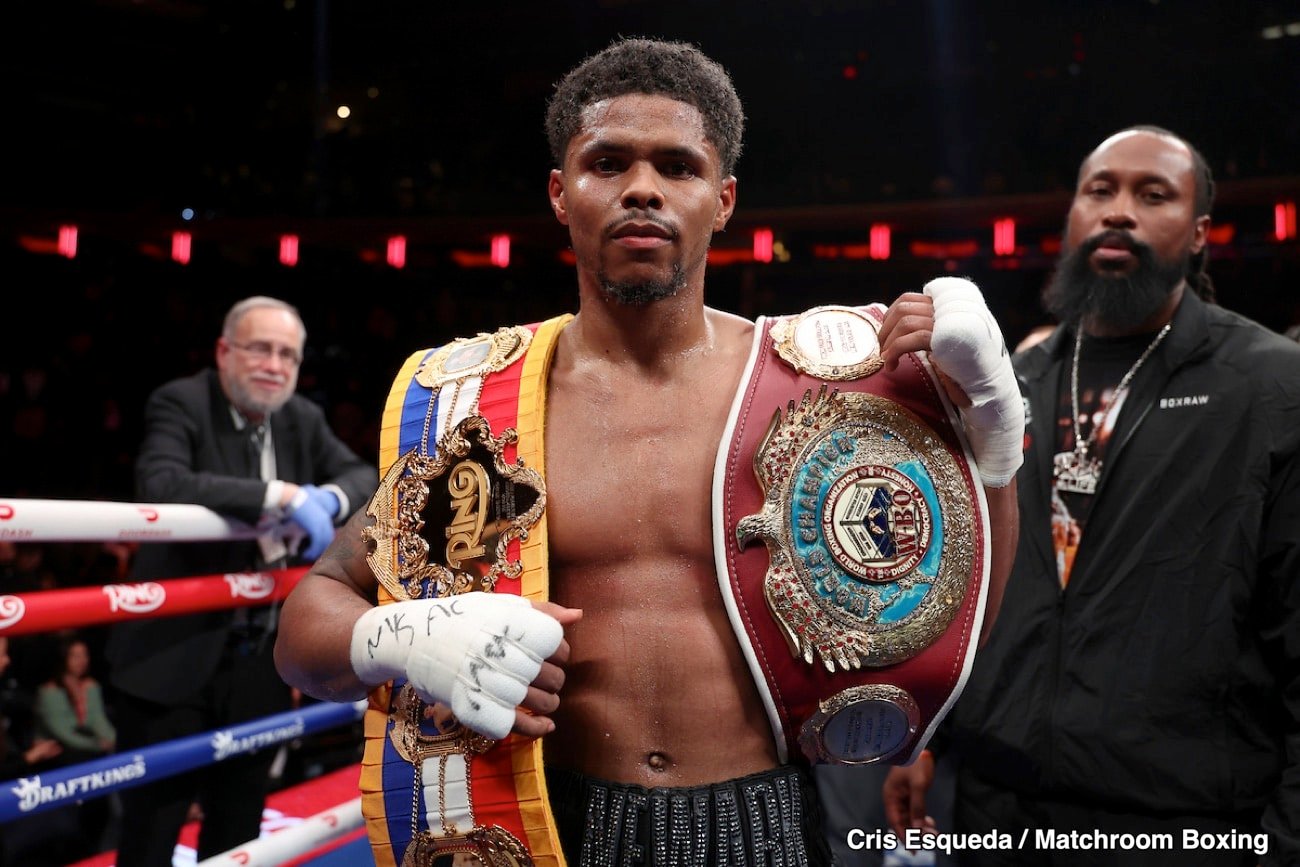
That pressure has only gotten worse since Stevenson’s win over Teofimo Lopez on Jan. 31. The performance solidified his status as one of the most well-rounded fighters in the sport, but instead of opening doors, it narrowed them. Stevenson looks dominant, controlling, and expensive to deal with, which increases his market value while further reducing competitors’ willingness to rush him.
Stevenson’s attention now appears to be on Devin Haney and Ryan Garcia, fights that offer name recognition and money but are harder to secure. When negotiations around these struggles slow down, so does their activity. This is where the risks start to increase.
From Stevenson’s perspective, this logic is understandable. At his level, a high-risk, low-reward fight could destroy years of positioning overnight. Protecting influence is part of modern professional management. The danger is time. Inactivity diminishes rhythm, relevance, and connection with your fans.
The pattern is familiar. Stevenson’s mentor Terrence Crawford spent a long time waiting for the right opportunity, losing momentum while maintaining his status. Hearn’s words were not wrong. The fighters respect Stevenson’s greatness. The problem is that respect alone does not translate into action, and whether an agreement is reached or not, the clock continues to move.