itstargetnews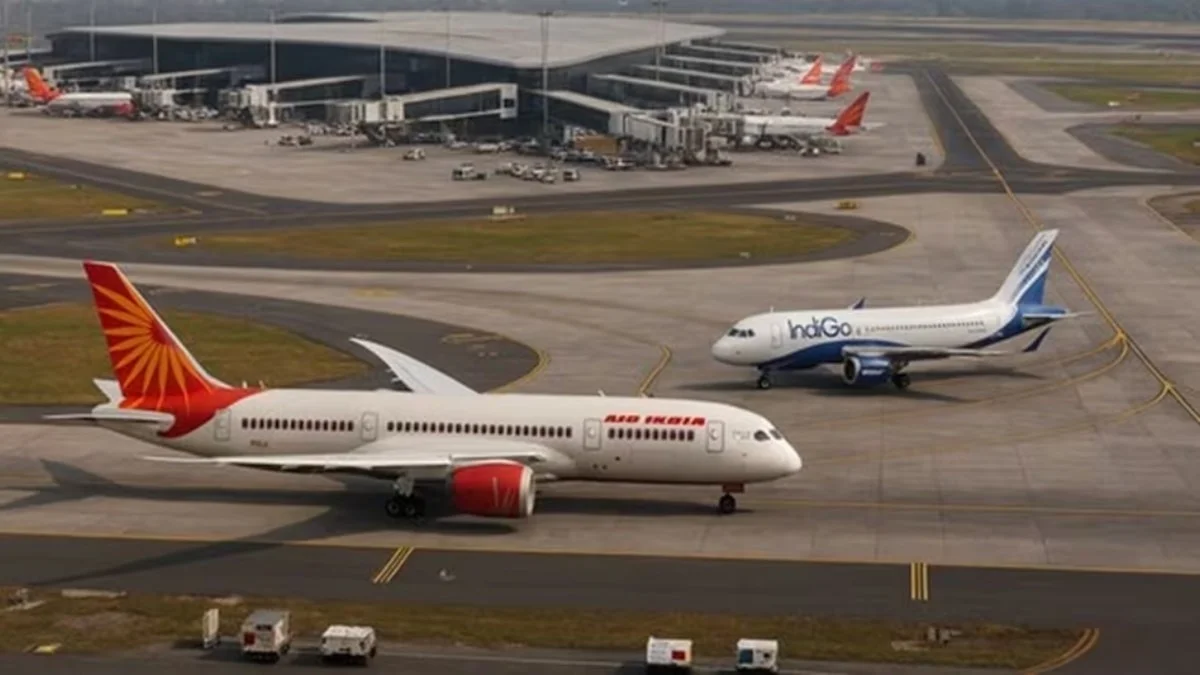
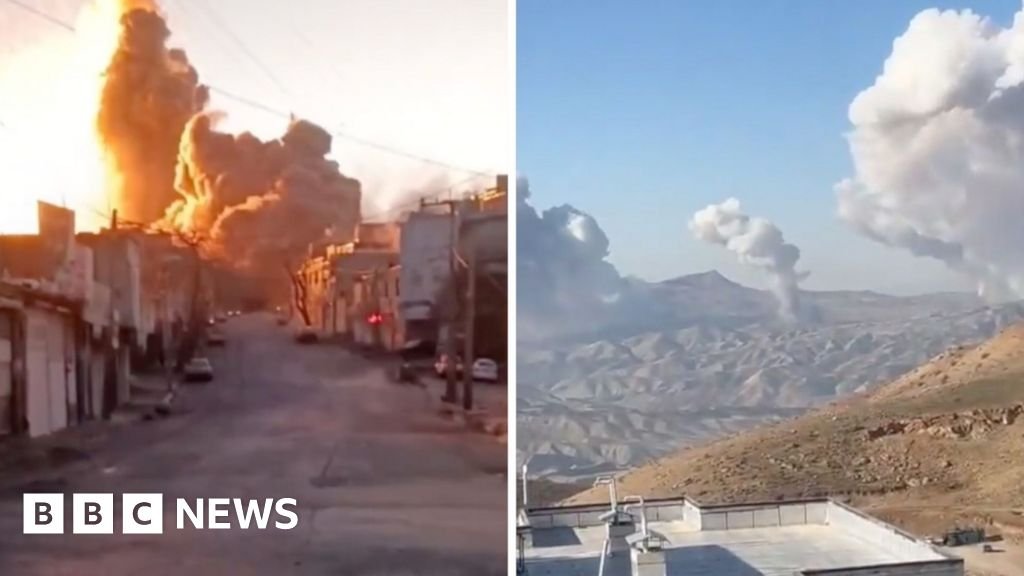
The growing geopolitical tensions in the Middle East have begun to weigh on those in India aviation according to HSBC Global Investment Research.
In a March 2 note, HSBC said Indian airlines have been forced to suspend all flights to the Middle East and parts of Europe due to airspace closures and increased regional instability. While some routes can be resumed via longer alternative corridors, the brokerage warned that such diversions would increase flight time and operating costs.
Significant capacity increase
HSBC estimates that the cancellations could significantly impact the airline’s capacity. IndiGo Around 19-20% of its global capacity is likely to be affected, equivalent to 60-65% of its international operations. For SpiceJet, the impact could be more pronounced at around 30-32% of total capacity, while Air India could see more than 40% of its capacity affected. Akasa Air could see between 13 and 14% of total capacity disrupted.
The report assumes that all flights to the Middle East, most services to Europe and some routes to the United States are cancelled.
In financial terms, HSBC estimates that IndiGo could face a daily revenue loss of ₹45-50 crore and a daily net profit loss of ₹4-5 crore. For SpiceJet, the expected daily revenue loss is between ₹5-5.5 crore, with an impact on net profit of ₹0.25-0.35 crore per day.
Short-term redistribution
HSBC noted that it does not expect airlines to immediately return to grounding aircraft on alternative routes. “In the short term, we do not believe that the capacity can be deployed in such a short term,” the report noted. However, if disruptions persist, airlines could gradually adjust schedules and move planes to other domestic or international sectors.
The brokerage added that SpiceJet may be relatively more vulnerable given its greater exposure to wet-leased aircraft, where lease payments continue regardless of usage.
Oil price sensitivity
Beyond the direct losses from cancellations, a rise in crude oil prices presents an additional headwind. Brent crude has already risen amid the conflict, and a further escalation could push prices higher, pushing up jet fuel costs.
HSBC estimates that, other things being equal, every $1 per barrel increase in jet fuel prices could increase IndiGo’s annual fuel bill by about Rs 300 crore and SpiceJet’s by Rs 27.5 crore. A $5 per barrel hike could increase IndiGo’s annual fuel costs by around Rs 1,510 crore, which could hit its FY27 profit before tax (PBT) by 19%.
In a seven-day disruption scenario, IndiGo’s PBT could decline by roughly Rs 32 crore, equivalent to roughly 6% from its 4Q FY26 estimate. In addition, a USD 5 per barrel increase in jet fuel prices for seven days could have an impact of approximately 12 million rubles.
Long-term perspective
Despite the near-term turbulence, HSBC believes IndiGo’s structural investment thesis remains intact. The brokerage acknowledged that investor sentiment may weaken in the short term due to operational disruptions and oil volatility, but sees no material long-term risk to the airline’s growth trajectory.
HSBC maintains a ‘Buy’ rating on IndiGo, while maintaining a ‘Reduce’ stance on SpiceJet, citing relatively higher operational and balance sheet sensitivities.
With more than 20% of the world’s oil flows moving through the Strait of Hormuz and continued uncertainty in the region, the Indian aviation sector faces a challenging few weeks. The duration of the conflict and the trajectory of crude oil prices will be critical determinants of the sector’s profit prospects.