itstargetnews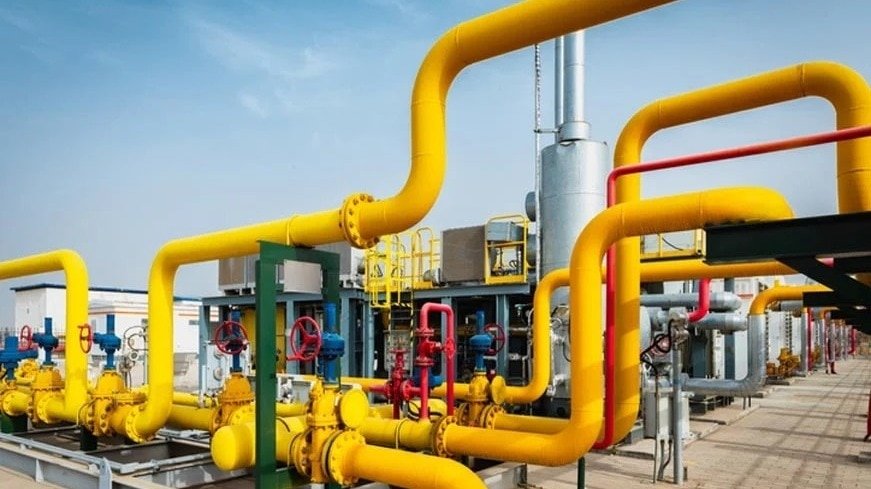
Amid the escalation of the conflict western asia and growing global concerns about supply chain disruptions, India maintains a two-to-three-week LNG reserve reservationsa senior official of the Ministry of Petroleum and Natural Gas told Business Today. Also, the Indian government is comfortable with its LPG (liquefied petroleum gas) supply chains, another source told Business Today, citing a diversified sourcing strategy.
“We as a country are in a comfortable position in terms of energy supply despite the escalation of conflict in West Asia and the shutdown of production at Qatar’s major liquefied natural gas (LNG) facilities. We are continuously monitoring the situation,” a senior official familiar with the matter told Business Today.
This comes as global energy markets react to a dramatic escalation in the West Asian conflict. On Monday, following regional drone strikes, QatarEnergy announced an immediate shutdown of production at its main facilities in Ras Laffan and Mesaieed. As one of the world’s top LNG exporters, this sudden outage has sent international gas prices soaring, putting pressure on importing nations in Asia and Europe.
The development follows New Delhi’s assessment of the impact of a direct military confrontation between a US-Israeli coalition and Iran. The conflict, which went from a shadow war to an open engagement after the launch of “Operation Epic Fury” on February 28, has disrupted regional shipping and triggered strikes on energy infrastructure.
Strait of Hormuz and global energy bets
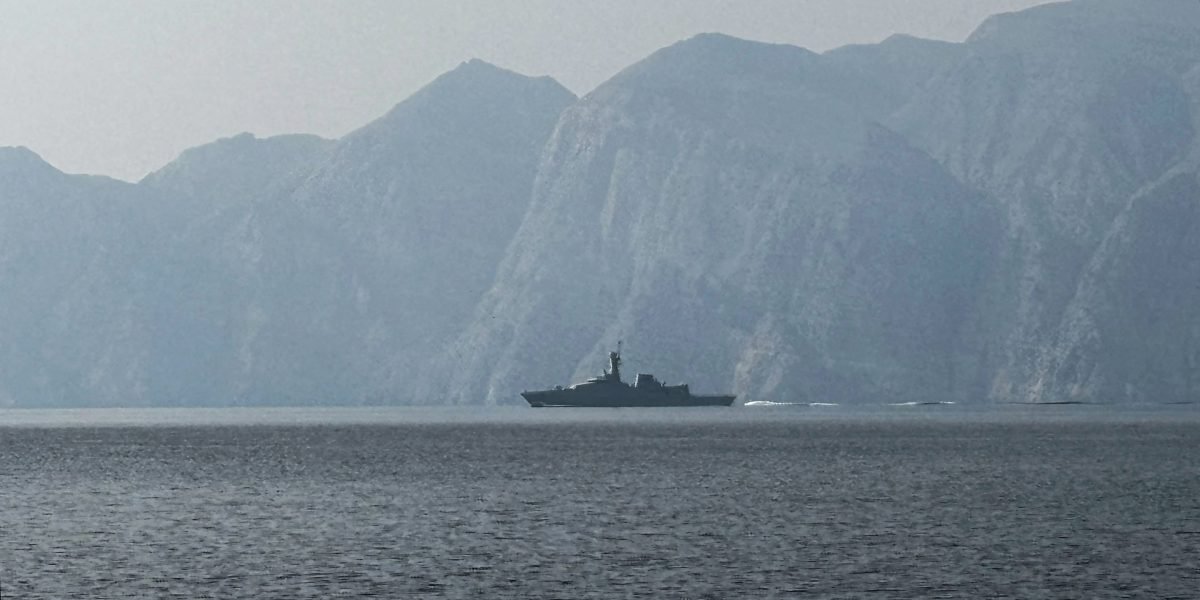
At the center of current concerns is the Strait of Hormuz, a narrow waterway often described as the world’s energy “jugular vein.” Connecting the Persian Gulf to the Arabian Sea, the strait handles almost 20% of global oil consumption and a significant portion of maritime LNG. India gets about 40% of its crude imports through the Strait of Hormuz, while the remaining 60% comes from alternative routes and suppliers, a senior government official told Business Today on condition of anonymity.
While the government remains confident in its reserves and diversified supply chains, analysts tracking the energy sector warn that LPG and LNG could prove more sensitive than crude oil. Unlike crude oil, which can be stored in large underground caverns, natural gas requires specialized high-pressure storage infrastructure, limiting the length of available buffers.
The ongoing conflict, which escalated over the weekend with direct military strikes with Iran, the United States and Israel, has disrupted the routine movement of tankers in the region. Iranian authorities have signaled a potential closure of the strait, which has led to an increase in marine insurance premiums and caused several commercial ships to avoid the route.
Analysts warn that if instability persists, the geopolitical risk premium embedded in energy prices could remain high. While India’s current inventories provide protection against immediate shocks, the longer-term economic impact, including potential pressure on inflation, the rupee and import bills, will depend on how quickly regional production and shipping routes stabilize.