itstargetnews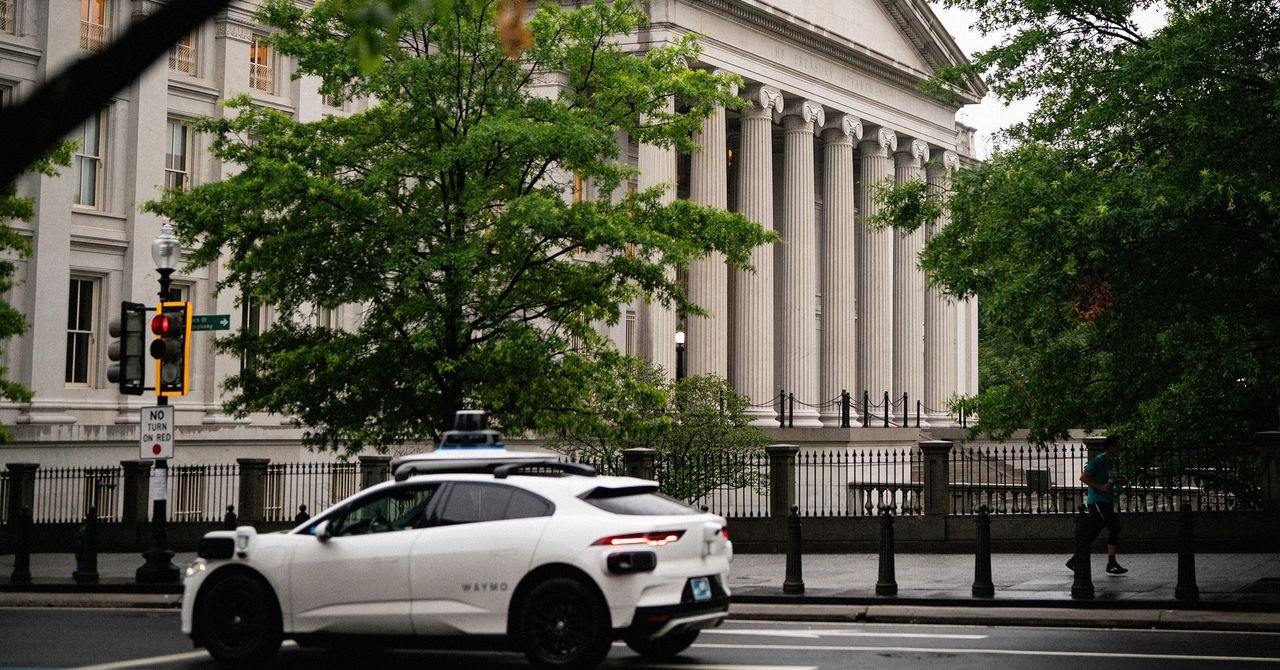
Waymo needs some help, according to an email message the self-driving developer sent to Washington, DC residents on Thursday.
For more than a year, Waymo BECOMES pushing city officials to pass new regulations allowing it robotaxis to operate the District. Currently, self-driving cars can test in the city, with people behind the wheel, but do not operate in driverless mode. the Alphabet subsidiary—and its lobbyists—are asking local lawmakers, including Mayor Muriel Bower and members of the City Council, to enact new rules that would allow the technology to become truly driverless on its public roads. The company previously said it would begin offering driverless rides in DC this year.
But Waymo’s efforts to woo officials have stalled, so the company is now asking residents to put some pressure on. “We’re almost ready to offer public Waymo rides to everyone in DC,” said an email sent to those signing up for Waymo service in DC. “However, despite significant support, the District leadership has not yet given the necessary approvals for our launch.”
The email directs recipients to contact DC officials via a form letter that says, in part: “Over the past year, I have observed Waymo vehicles operating in our local areas, and I am excited about the potential advantages this service can provide, including improved accessibility and reduced traffic-related incidents. The communication encourages DC residents to edit the letter to “use your own word,” because personal messages “have a higher impact.” Only DC residents or those with DC addresses can participate, Waymo said.
In a written statement, Waymo spokesman Ethan Teicher said, “We are ready to serve Washingtonians this year, and urge the Mayor, the District Department of Transportation, and the City Council to take action.” The company said 1,500 people contacted District leaders through its email in the first 90 minutes after it was sent.
Typically, self-driving car developers only launch service in areas where regulations are clearly laid out for how the technology will hit the roads. Other US cities with Waymo service, including in California, Floridaand TexasThere are already rules before the company enters their markets. But as Waymo’s ambitions grow, it’s starting to target big cities in blue states where autonomous car technology doesn’t yet have a “driver’s license.” Earlier this month, the company said it would begin testing in Boston, where city lawmakers pushed last year for an ordinance that would ban self-driving taxis from operating without a human behind the wheel. Waymo SAYS that it needs Massachusetts lawmakers to “legalize fully autonomous vehicles” before it can launch service in Boston.
Eventually, self-driving car developers hope that the US Congress will pass a law allowing for wider testing and operation of their technology across the US. On Tuesday, a House committee advanced a bill that would direct the federal government to develop safety standards for autonomous vehicles, and prevent states from passing their own laws prohibiting the sale or use of the technology, or from requiring companies to submit information on crashes.
Waymo’s new DC pressure campaign echoes those launched by transportation disruptors, including ride-hailing giant Uber and bike- and scooter-share company Birdalmost a decade ago. Like self-driving technology developers, companies want to launch their new services in places where the rules don’t align with their business ambitions. In the end, Uber and Lyft have generally succeeded in passing laws in US statehouses that allow their services to operate on public roads—and prevent cities from enacting their own laws.
Right now, Waymo operates in six US metro areas—Atlanta, Austin, Los Angeles, Miami, Phoenix, and the San Francisco Bay Area—and plans to launch in more than 10 this year. Three other companies, including Nuro and Zoox owned by Amazonhas a permit to test self-driving tech in Washington, DC.