itstargetnews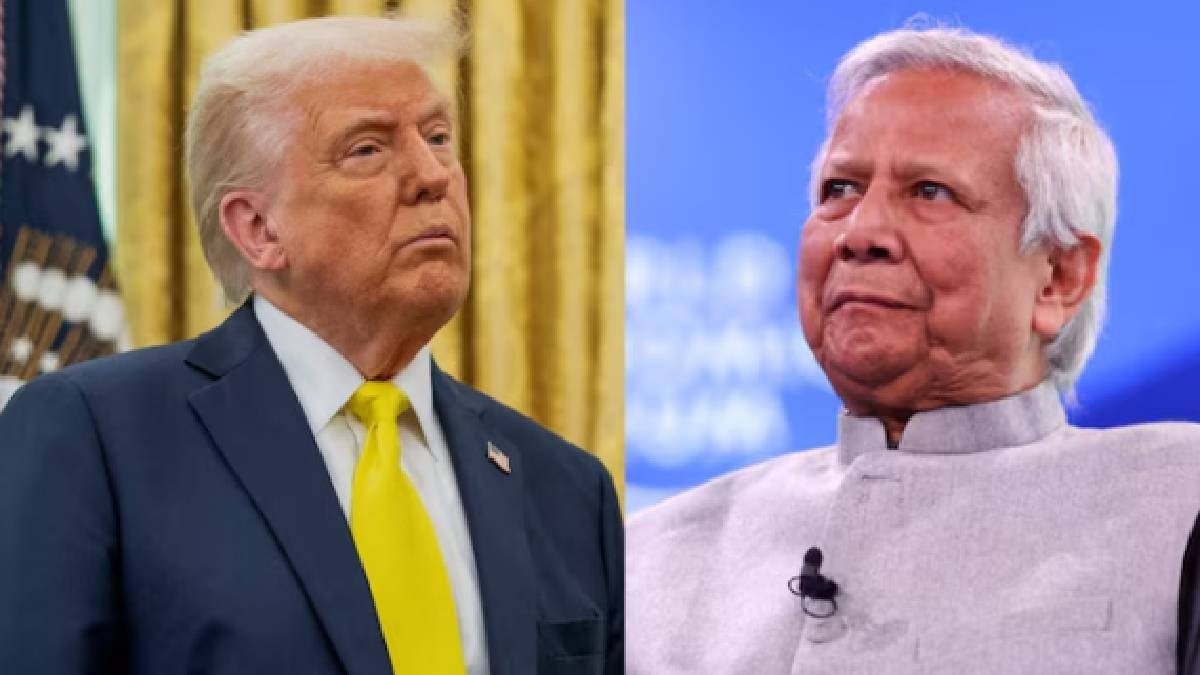
Author and commentator Navroop Singh took to social media on Tuesday to share his two cents on the recent signing US-Bangladesh Trade Agreement.
Singh, the author of The Great Reset and co-author of The New Global Order, wrote on X (formerly Twitter) that Dhaka has given up everything for preferential access to the textile market.
He added that India negotiated a much better deal with the US compared to what Bangladesh got.
Singh wrote: “Bangladesh has given up everything for preferential treatment of textiles. That’s what surrender looks like, not what India did in its agreement which is to protect its critical sectors, data localization etc!”
What exactly did Dhaka give up to gain preferential access to the textile market?
According to the trade agreement, Bangladesh has waived data localization.
The agreement categorically states: “Bangladesh will facilitate the Digital Trade Agreement with the United States, including by: (a) refraining from measures that discriminate against US products; (b) ensure the free transfer of data across trusted borders for conducting business; and (c) work with the United States to address cybersecurity challenges.
It further states that if Dhaka enters into a new digital agreement with a country that poses a threat to “essential US interests”, Washington can terminate the agreement and reimpose the applicable reciprocal tariff rate decided in an executive order dated April 2, 2025, if the issue is not resolved through consultations.
This, however, is not that. As part of the deal, Bangladesh must also make key changes to its foreign investment policies. “Bangladesh to ease its foreign capital limits by US investment in oil and gas, insurance and telecommunications.”
In addition to this, Dhaka must also make it easier for US investors to obtain no-objection certificates whenever required.
“Bangladesh will improve the transparency and efficiency of the approval process for US investors to transfer investment-related capital in and out of its territory in freely usable currency at the prevailing market exchange rate, including by effectively establishing and implementing clear regulatory guidelines on timelines for approvals.”
He added that Bangladesh will address outstanding arrears to US companies without delay and in line with commitments made as part of the International Monetary Fund (IMF) programme.
In addition, he said that processed foods and agricultural products derived from agricultural biotechnology products do not contain living modified organisms and are not subject to approval by the Bangladesh authorities.
“The definition of ‘processed’ includes heat treatment, grinding, or other processing that removes the germination capacity of the agricultural biotechnology product.”
It further said that within 24 months of the entry into force of this agreement, Bangladesh will develop and implement a policy for an agricultural biotechnology product that can be “legally sold in the United States and that has completed all relevant pre-market processes in the United States, whether voluntary or mandatory, will be allowed to be imported and marketed in Bangladesh for the same purposes without requiring deregulation, approval, or additional review of the label or deregulation.Bangladesh.
The policy should also ensure that Dhaka addresses any Low Level Presence Event (LLP) affecting US agricultural exports without undue delay and taking into account any relevant security or risk assessment provided.
The agreement further stated that if Dhaka requires halal certification, it will allow any US halal certifier that meets Bangladesh’s halal requirements to certify products as Halal for import into Bangladesh without additional requirements.