itstargetnews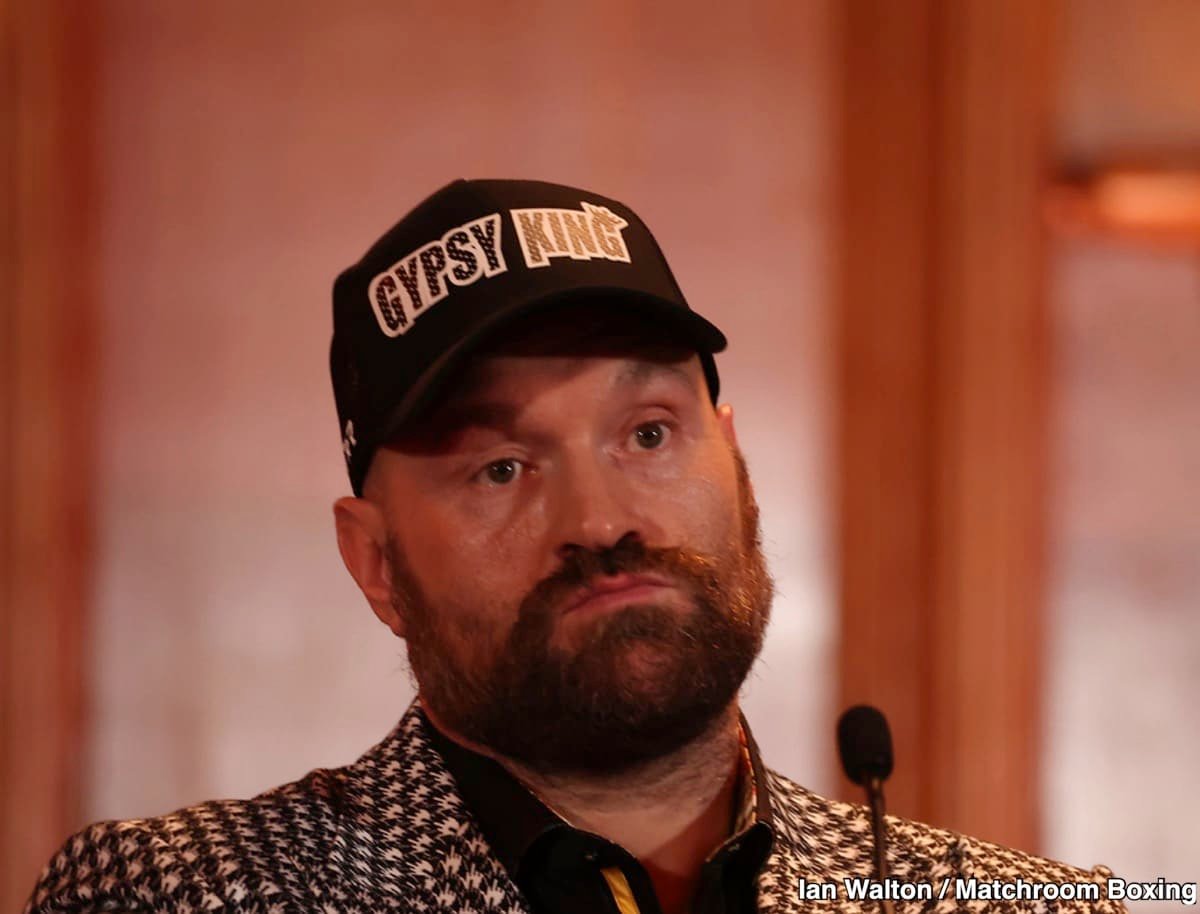


That doesn’t sound like a fighter jet
When he returned to face Deontay Wilder a few years ago, his focus was still on fighting demons and finding redemption. He’s been nothing but provocative in his pursuit of the title, and even his past retirements have been defined by a distinct edge. Usually, Fury sounds like he’s fighting something, but this time, he sounds calm.
The reality of his situation is heavy. He is 37 years old and has lost two consecutive games to Oleksandr Usyk, which means that the “0” is gone and the gold belt is gone as well. Without narratives of injustice to unite and controversial decisions to enrage, we see complete acceptance where once was fiery.
Elite heavyweights rarely bounce back from consecutive defeats, and that’s what it sounds like. Pride often creates a sharp edge, urgency often tightens the voice, but anger describes enjoyment rather than revenge. This shift in tone completely changes the way we view the fight, as it can be interpreted as a coming of age or a dangerous adjustment.
Peace Can’t Win a Heavyweight Fight
When a dominant fighter loses twice in a row, the obsession can easily soften once the feeling of untouchability wears off. Most fighters in this position would feel angry when they speak, but Fury’s voice was remarkably calm, suggesting that his inner driving force was no longer anger or regaining a lost throne.
If he takes on Arslanbek Mahmudov, that calmness will be praised as the perfect balance for a veteran who’s been through it all. But if he gets into trouble, in hindsight, these quotes about “happiness” will feel like a warning sign. This is no longer a tactical test but a psychological one. The real question is whether Fury found peace after the loss or if he’s just happy with the outcome, and we’ll find out on April 11 whether a happy fighter can still be a dangerous fighter.