itstargetnews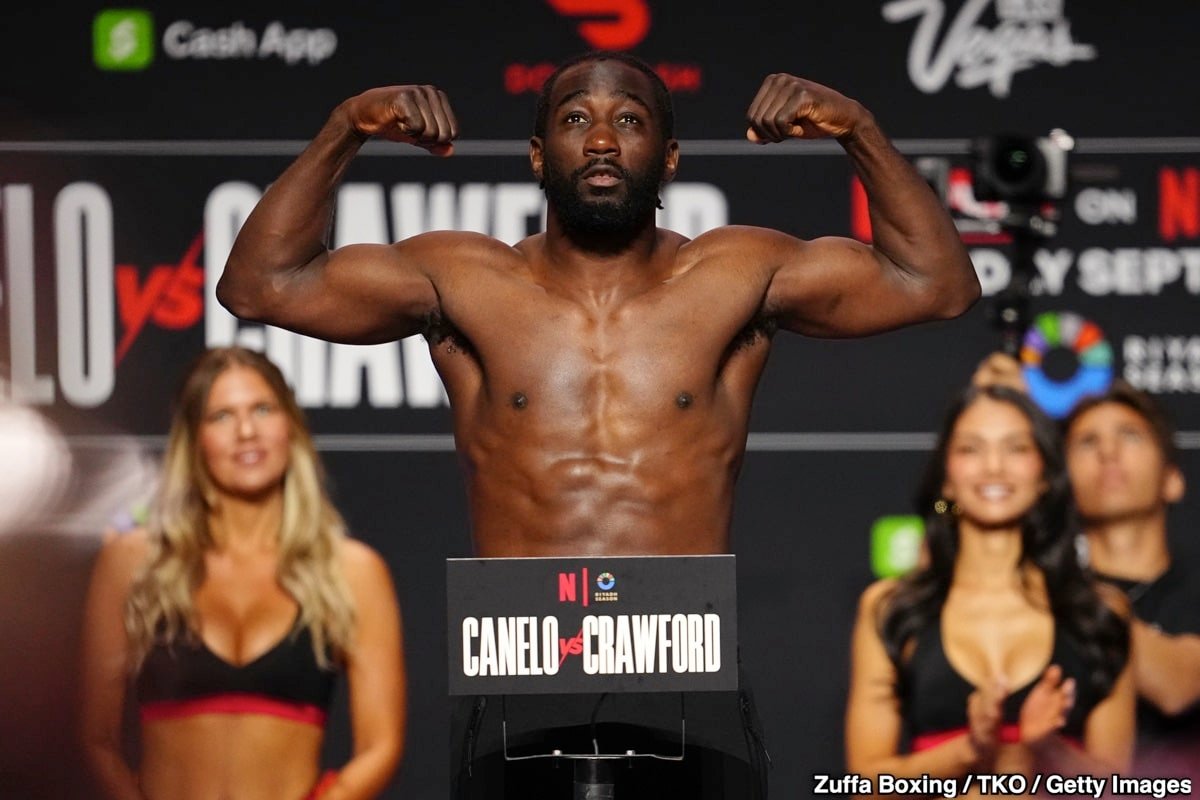
Crawford defeated Israel Madrimov at 154 pounds and 35-year-old Canelo Alvarez at 168 pounds. While both wins were icing on the cake for his resume, neither performance showed complete dominance, especially against opponents who were either in a new weight class or past their physical prime.
Some observers also noted that Crawford was not facing younger, more active competitors at either weight. After a junior middleweight bout, he moved on. His only appearance at super middleweight was against Canelo, rather than against an established contender who has been fighting in that division.
This context shapes the reaction of those within the sport. Promoter Oscar De La Hoya responded on social media that no one can compete with Crawford and expressed doubts about the way his career has been constructed.
“I can name 4, 5, 6 fighters that could compete with him and possibly beat him. Name 2 good fighters that he’s beaten,” De La Hoya said. Daznin.
The debate is not whether Crawford is elite, but whether it is accurate to portray him as unmatched in the weight class he briefly visited. Critics argue that Crawford won’t have to face multiple contenders at the 154 or 168 level to get a title shot, which is what most boxers need to do before entering a title fight.
With Crawford now retired, the conversation surrounding his legacy appears to be changing. Rather than a universal perception of him being invincible, there’s growing scrutiny of who he faced later in his career — and who he didn’t.