itstargetnews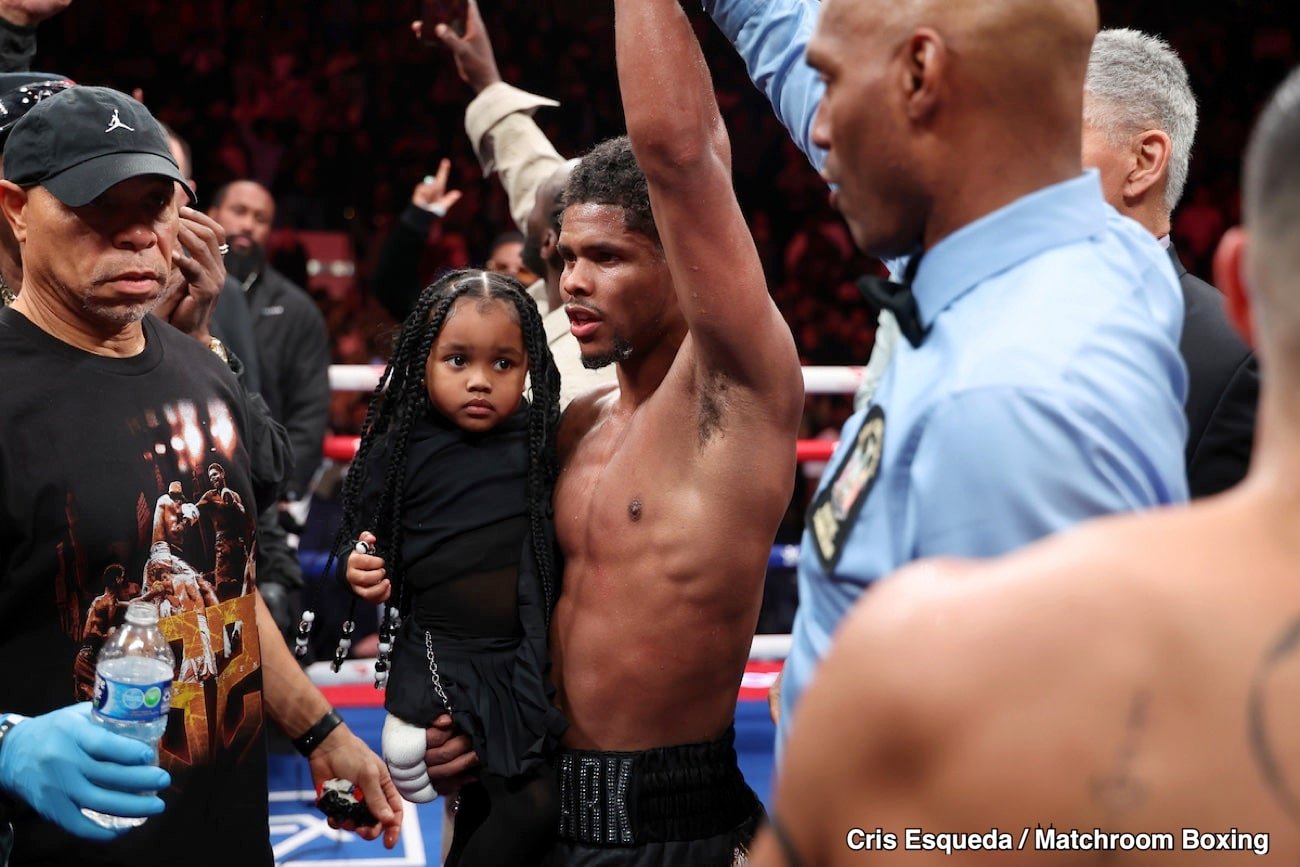


Stevenson’s coach, Wally Moses, later accidentally leaked the entire blueprint. “We wanted to speed up Lopez so we didn’t have to actually fight,” he told CNN battle center tv. This wasn’t a regular coaching talk, but a clear statement of intent, with a plan focused on control rather than late pressure or collapse. The goal is to deny Lopez the space and time he needs to get started and never allow him to find a rhythm that could become dangerous.
The jab is a tool, but not in the way highlight reels typically present it. Stevenson’s jab acted as a barrier, resetting Lopez’s feet and halting his forward movement before the exchange could develop. Over time, this repeated interruption robbed Lopez of his initiative. He no longer chooses his moment. He is reacting to them.
That explains Lopez’s output better than any breakdown of the bout. When a boxer lands most of his punches to the body, this can be interpreted as commitment or adjustment. Here it is interpreted as a concession. The head cannot be used. Lanes are closed. The body was the only remaining target that didn’t need to win the time war he had already lost.
Moses also noted that Stevenson could have taken more risks as the fight continued. He doesn’t need to. Lopez never forced an upgrade. Stevenson never had to rush to respond to pressure or trade danger for momentum. The fight went exactly as planned, and once that happened, the scorecard became a formality rather than an issue.
This is the version of Stevenson that continues to alienate casual people. There was nothing spectacular or dramatic about the performance. It offers something a little colder. Control without confrontation. Make progress without leveling up. A battle is not decided by moments but by their absence.
Lopez comes in and needs to break the rhythm. Stevenson instead gave him structure and then tightened it round after round. While Lopez was looking for something different, the terms were set and the lead was established. The results never ring loud. Simply out of reach.