itstargetnews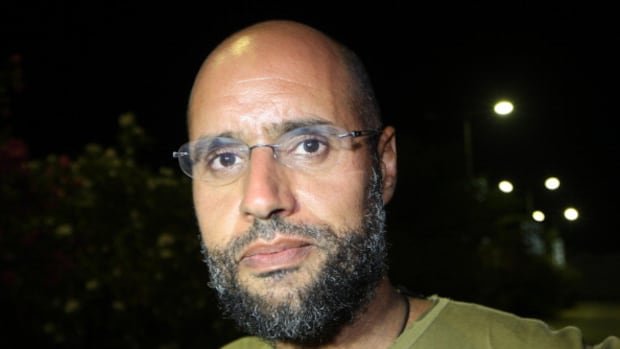

Listen to this article
Estimated 3 minutes
The audio version of this article was generated using artificial intelligence-based technology. Mistakes in pronunciation may occur. We work with our partners to constantly review and improve results.
Seif al-Islam Gadhafi, the son and former heir to the late Libyan dictator Moammar Gadhafi, has been killed in the North African country, Libyan officials said on Tuesday.
The 53-year-old was killed in the town of Zintan, 136 kilometers southwest of the capital Tripoli, according to the Libyan prosecutor general’s office.
The office said in a statement that the initial investigation determined that Seif al-Islam was shot dead, but did not provide additional details about the circumstances of his killing.
Khaled al-Zaidi, Seif al-Islam’s lawyer, confirmed his death on Facebook, without giving details.
Abdullah Othman Abdurrahim, who represented Gadhafi in United Nations-brokered political dialogue aimed at resolving Libya’s long-running conflict, also announced the death on Facebook.
Seif al-Islam’s political team later issued a statement saying that “four masked men” broke into his house and killed him in a “cowardly and treacherous assassination”. The statement said he confronted the assailants, who had turned off the house’s surveillance cameras “in a desperate attempt to cover up the traces of their heinous crimes.”
Born in June 1972 in Tripoli, Seif al-Islam was the second-born son of a long-time dictator. He studied for a doctorate in science. at the London School of Economics and was considered the reformist face of the Gaddafi regime.
Moammar Gaddafi was ousted in a NATO-backed popular uprising in 2011 after more than 40 years in power. He was killed in October 2011 amid the ensuing fighting that turned into a civil war. The country has since been plunged into chaos and divided between rival armed groups and militias.

Seif al-Islam was captured by fighters in Zintan in late 2011 while trying to escape to neighboring Niger. He was released by fighters in June 2017 after one of Libya’s rival governments granted him amnesty. Since then he lived in Zintan.
A Libyan court convicted him of inciting violence and killing protesters and sentenced him to death in absentia in 2015. He was also wanted by the International Criminal Court on charges of crimes against humanity related to the 2011 uprising.
In November 2021, Seif al-Islam announced his candidacy in the country’s presidential election in a controversial move that drew opposition from anti-Gaddafi political forces in western and eastern Libya.
He was disqualified by the country’s High National Electoral Committee, but the election did not take place because of disputes between rival administrations and the armed groups that have ruled Libya since the bloody ouster of Moammar Gadhafi.