itstargetnews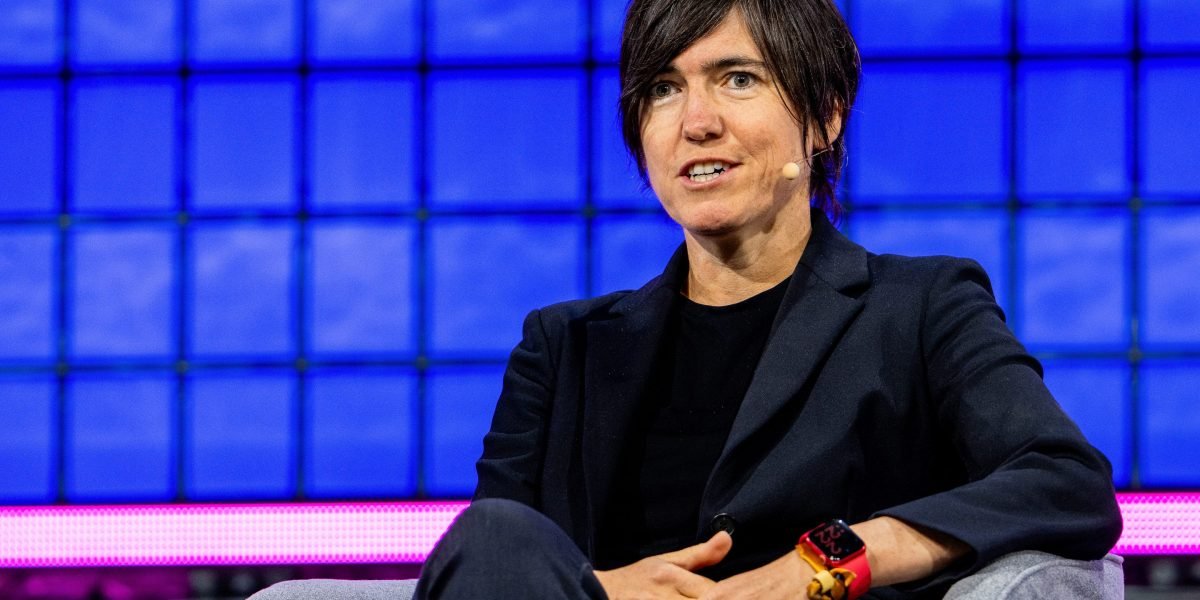
Waabi, the Toronto-based company building AI software to enable autonomous driving, has raised $1 billion in new funding and reached a major partnership with Uber to deploy at least 25,000 robotaxis on the ride-hailing giant’s platform.
The deal marks a significant expansion for Waabi, which until now has focused on autonomous trucking.
The funding consists of a $750 million Series C round led by Khosla Ventures and G2 Venture Partners, and an additional $250 million milestone-based investment from Uber tied to robotaxi deployment. The company says it’s the largest fundraiser in Canadian history.
Other Series C investors include Uber, NVentures (Nvidia’s venture capital arm), Volvo Group Venture Capital, Porsche Automobil Holding SE, BlackRockRadical Ventures, and a subsidiary of the Abu Dhabi Investment Authority.
Waabi declined to disclose its valuation after the funding round. Toronto newspaper The Globe and Mail reported in December that the company was seeking a $3 billion valuation in the Series C round.
Waabi also declined to say where Uber robotaxis will be deployed first or exactly what timeline they will roll out.
Waabi represents a new breed of autonomous vehicle company — part of what some in the industry are calling “AV 2.0.” These companies use end-to-end AI models that learn to drive from large amounts of data. Typically an AI model handles vision (understanding where the car is on the road and what’s going on around it), navigation (deciding which route to take), and action (deciding how to turn the steering wheel and whether to accelerate or brake).
This is in contrast to previous self-driving technology, such as that originally deployed by Alphabet company Waymo, which relied on a large number of hand-marked rules, many different software programs and machine learning models, each managing a specific aspect of driving, as well as high-definition maps.
Uber recently announced several robotaxi deals with car manufacturers and AV 2.0 startups. In most deals, Uber provides startups with funding, as it did with Waabi. Earlier this month, Uber announced a tie-up with Nuro, another software building startup for self-driving, and Lucid Motors, which aims to put 20,000 Uber robotaxis on the roads, with the first robotaxis to be deployed this year.
Along with that announcement, Uber also invested $300 million in Nuro and Lucid. The ride hailing company also has a partnership with self-driving startup Avride for robotaxis in Dallas and other US cities. And it’s partnered with Waymo to let passengers hail Waymo’s self-driving cars through the Uber app in Austin, Texas, and Atlanta. In 2024, Uber invested in the UK AV 2.0 company Wayve as part of a partnership that also aims to test Wayve’s technology with Ubers in London. Uber also has a partnership with Chinese internet giant Baidu to test robotaxis in London and other international markets.
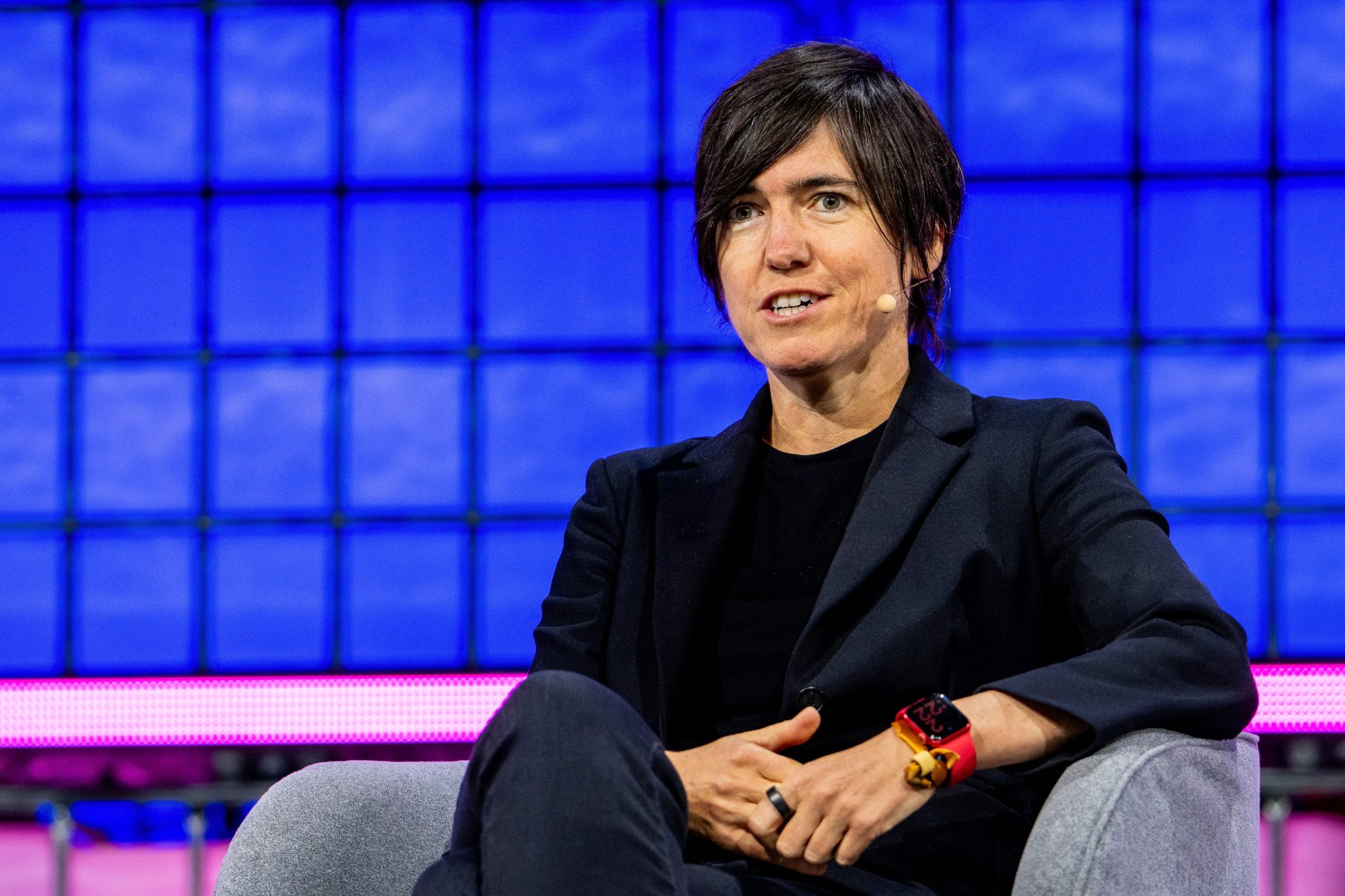
Raquel Urtasun, the computer scientist who founded Waabi in 2021 and serves as its CEO, previously headed Uber’s autonomous vehicle research lab. Uber has partnered with Waabi since its Series A venture funding round and already holds a seat on the startup’s board.
Previously, Waabi worked on software that could operate autonomous trucks. In October, it announced the integration of its AI software into Volvo’s fleet of autonomous trucks, which provide autonomous cargo delivery services on highways in Texas and some mining and quarrying sites in Norway and Sweden. Volvo Autonomous also has a partnership with Uber’s Uber Freight service.
Currently, Volvo trucks that use Waabi software use Texas safety drivers. Urtasun said Waabi decided not to launch fully driverless truck operations until the Volvo platform was fully proven—a decision he framed as prioritizing safety over speed. Volvo has said publicly that full validation is “just quarters away.”
Urtusun said luck that robotaxis expansion was never a pivot for Waabi. The company’s “physical AI platform” can generalize to different vehicle types, geographies, and driving conditions, and the same AI models that drive Waabi’s trucks can also use its robotaxis, he said.
“The model will know which vehicle it’s driving, but it’s the same model,” Urtasun said. “Think about us humans – we don’t switch our brains, but we know every car we drive.”
This approach contrasts with companies developing different systems for different types of vehicles. This also means that the improvements made for the truck benefit the robotaxi system, and vice versa.
Although Waabi and Uber have not disclosed a timeline for the Waabi-powered robotaxi rollout, Urtasun said it will happen “super fast.” “Faster than anyone could have imagined,” he said. “Faster than what you’re used to seeing in the robotaxi segment.”
The robotaxi market is becoming fiercely competitive. Waymo, owned by Google parent Alphabet, is aggressively expanding beyond its original base in the San Francisco Bay Area. The company currently operates in Phoenix, Los Angeles, Austin, and Atlanta, and has announced plans to launch in more than a dozen additional US cities by 2026, including Miami, Dallas, Houston, Detroit, and Washington DC. It is also planning its first international launch in London and Tokyo.
Teslaon the other hand, launched a limited robotaxi service in Austin, Texas, in June using its Full Self-Driving software. The service initially operated with human safety monitors in the passenger seat but began offering some fully driverless rides in January. Tesla’s approach, like Waabi’s, relies on end-to-end AI trained on camera data—although Tesla uses a vision-only system without the lidar sensors used by most competitors.
Wayve, the British company that has raised more than $1.3 billion from investors including SoftBank, Microsoftand Nvidiais also pursuing end-to-end AI. But unlike Waabi, Wayve focuses primarily on passenger vehicles and advanced driver assistance systems rather than trucks.
Waymo itself is experimenting with end-to-end AI models and rebuilding its own self-driving technology stack around them, as luck reported last year. But the company continues to rely on a combination of lidar, radar, and cameras for commercial operations.
Waabi’s new funding, on the other hand, will go towards accelerating the commercial development of the truck while also supporting the expansion of robotaxis, said Urtasun.
Vinod Khosla, the founder of Khosla Ventures, said in a statement that Waabi’s technology is “a fundamental leap forward” in how driverless technology is advancing. “Their incredible progress in autonomous trucking and rapid expansion into robotaxis shows how their technology is opening up for the first time at real scale in the real world,” he said.