itstargetnews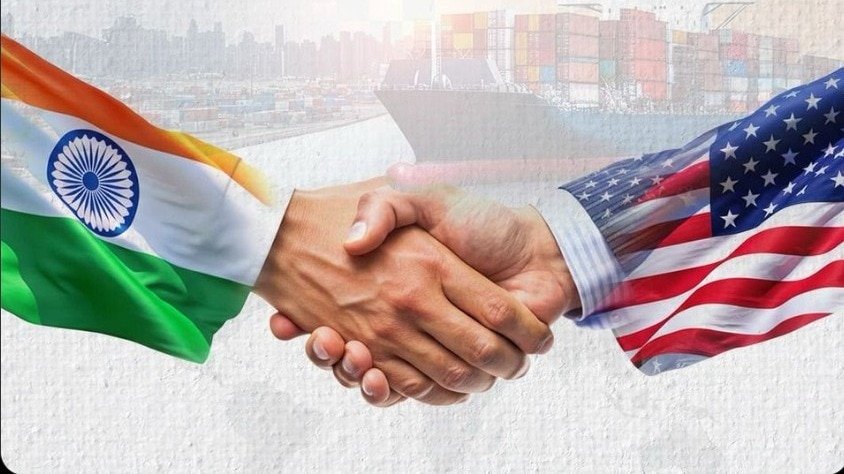
Rice exporters have celebrated the sharp reduction US tariffs on Indian goods from 50% to 18%, saying the move will make Indian exports more competitive in the US market.
India Gate basmati rice producer KRBL Ltd said exports to the united states they are likely to regain competitiveness. “The recent announcement of the US-India bilateral trade agreement marks an important and encouraging development for India’s basmati rice industry. The reduction in reciprocal tariffs from 25% to 18%, effective immediately, is expected to ease export-related cost pressures and provide much-needed support for price competitiveness,” said Akshay Gupta, Head of Exports, KBLRk Ltd.
“The removal of the additional 25% duty that had been linked to geopolitical considerations is also a positive step towards normalization of trade flows,” Gupta said, adding that such agreements can “significantly strengthen exports of high-value agri-food products, leading to improved value realization across the supply chain and better outcomes for farmers.”
LT Foods, the maker of Daawat basmati rice and a major player in the consumer food space, said the upcoming deal significantly improves competitiveness in one of the world’s largest consumer markets.
“The reduction in US tariffs is a timely development for companies like LT Foods. A significant portion of our sales come from the US, and this agreement removes a key tariff surcharge while strengthening our position in an important market. The lower duties are expected to increase demand and improve overall consumer sentiment,” said a spokesperson for LT Foods.
“Easing trade pressures at a time of global currency volatility also provides some support to the rupee and contributes to a more stable operating environment for Indian exporters. That said, the longer-term implications will become clearer as the market adjusts,” the spokesperson added.
The full details of the agreement are expected to be released through a formal joint statement between India and the United States once the final processes have been completed.
Fishermen and seafood exporters in coastal regions are also expected to benefit from improved access to tariffs, Union Commerce Minister Piyush Goyal said while addressing the media on Tuesday. Labour-intensive export sectors such as textiles, garments, leather, footwear, gems and jewellery, plastics, machinery, aircraft components and marine products are expected to gain significantly, creating huge employment opportunities, he added.
Commenting on the announcement, Anish Shah, Group Managing Director and Managing Director, Mahindra Group, said the deal adds a significant boost to India’s growth ambitions. “The immediate reduction in reciprocal tariffs on Indian exports from 50% to 18%, along with a commitment to progressively reduce tariff and non-tariff barriers, will boost growth momentum and improve the predictability that businesses need to invest with confidence,” Shah said.