itstargetnews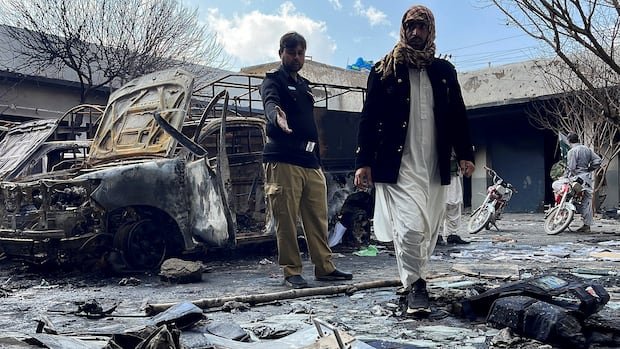

Listen to this article
Estimated 4 minutes
The audio version of this article was generated using artificial intelligence-based technology. Mistakes in pronunciation may occur. We work with our partners to constantly review and improve results.
Pakistani security forces have killed 145 militants in a 40-hour battle launched in a series of coordinated gun and bomb attacks across Balochistan that have killed nearly 50 people, the province’s chief minister said on Sunday.
Authorities in the southwestern province are grappling with one of the deadliest explosions in years as insurgents in the resource-rich province bordering Iran and Afghanistan step up attacks on security forces, civilians and infrastructure.
Attackers dressed as civilians entered hospitals, schools, banks and markets on Saturday before opening fire, Pakistan’s Interior Minister Talal Chaudhry said.
“In any case, the attackers came dressed as civilians and indiscriminately targeted ordinary people working in shops,” he said, adding that the militants used civilians as human shields.
The banned separatist group Baloch Liberation Army claimed responsibility for the attacks, saying it had launched a coordinated operation dubbed Herof, or “black storm”, targeting security forces across the province.
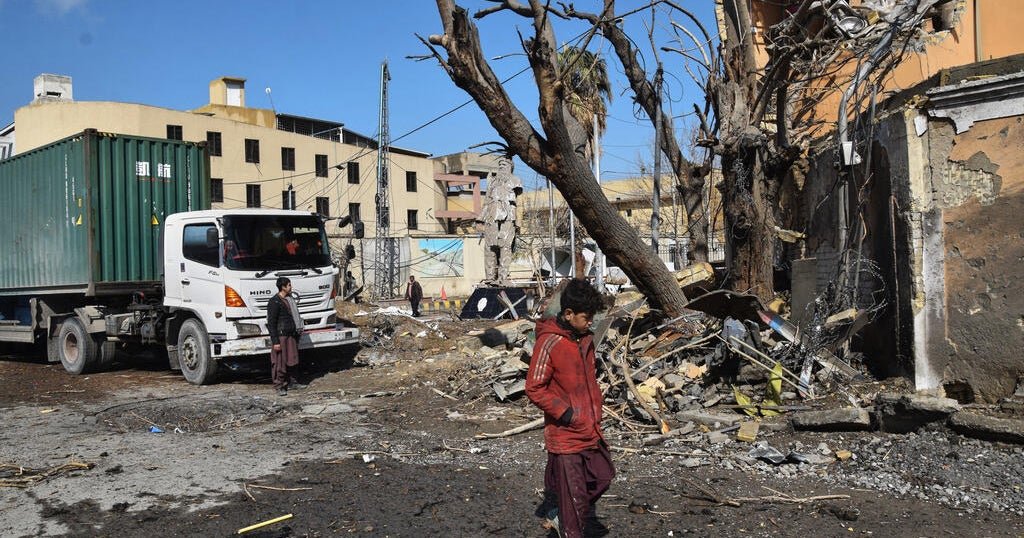
In Quetta, the provincial capital, the aftermath was visible in burnt-out vehicles at a police station, bullet-riddled doors and streets covered in yellow tape, as security forces stepped up patrols and restricted movement after the attack.
Balochistan Chief Minister Sarfraz Bugti said 17 members of the police force and 31 civilians were killed in the militant attacks. Pakistan’s military said 92 militants were killed on Saturday, while 41 were killed on Friday.
“We had intelligence reports that such an operation was being planned, and as a result, we started pre-operations a day earlier,” Bugti said.
The latest total is the highest number of militants killed in such a short period since the insurgency intensified, Bugti said, without giving comparative figures.
Officials said militant attacks were launched almost simultaneously in Quetta, Gwadar, Mastung and Noshki districts, with gunmen opening fire on security installations including the Frontier Corps headquarters, attempting suicide bombers and briefly blocking roads in urban areas. This prompted major counter-operations by the army, police and counter-terrorist units.
Outside the damaged shop, private security guard Jamil Ahmed Mashwani said the attackers carried out the attack shortly after noon. – They hit me on the face and head.
Coordinated attacks throughout the province
Balochistan, Pakistan’s largest and poorest province, has faced a decades-long insurgency led by ethnic Baloch separatists seeking greater autonomy and a greater share of its natural resources.
The group claimed to have killed 84 members of the Pakistani security forces and captured 18 others. Reuters could not independently confirm the claim. The military did not immediately respond to a request for comment.

Pakistan’s Defense Minister Khawaja Asif said the two attacks involved female perpetrators and militants who increasingly targeted civilians, workers and low-income communities.
The military said security forces repelled attempts by the militants to take control of any town or strategic facility.
Claims and guilt
Pakistan’s military said on Saturday that the attacks were carried out by “Indian-sponsored militants”. India, Pakistan’s arch-rival, denied the claim on Sunday, accusing Islamabad of diverting attention from its own domestic problems.
“We categorically reject Pakistan’s baseless allegations,” Indian foreign ministry spokesman Randhir Jaiswal said in a statement, adding that Islamabad should instead address the “long-standing demands of its people in the region.”
The United States condemned the attacks, and the deputy head of the US mission, Natalie Baker, called them acts of terrorist violence and said that Washington stands in solidarity with Pakistan. The United States has designated the Balochistan Liberation Army as a foreign terrorist organization.
Pakistan occasionally faces attacks by Islamist militants in other parts of the country, including factions linked to the Pakistani Taliban.