itstargetnews
The United States is on a collision course with its own history, and is about to break fiscal records in the worst possible way. With current policies and spending, the country’s national debt will rise to 120% of GDP by 2030, surpassing the previous record of 106% set after World War II. Financial observers warn that such a high level of debt effectively amounts to a self-inflicted wound, as the US abdicates its responsibility to its citizens, sustainable economic growth, and national security.
The US is currently sitting on a federal budget deficit of $1.9 trillion and a national debt worth 101% of GDP, according to an economic outlook. report released Wednesday by the Congressional Budget Office (CBO). In 10 years, that number will rise to 120%, but only four are needed to beat the current high-water mark set in 1946, after years of massive deficit spending to fund US efforts during World War II.
The projections drew blistering reactions from nonpartisan watchdogs, perhaps none more so than Maya MacGuineas, president of the Committee for a Responsible Federal Budget.
“There are no surprises here or bright spots of encouraging news: our nation’s deficits, debt, interest payments and trust funds are in terrible shape,” MacGuineas said in a statement. “At this moment in time with challenges from an aging society to growing geo-political rivalries, there is nothing short of self-sabotage to act with such a self-imposed disadvantage.”
MacGuineas’ reasoning centers on a concern often voiced by budget hawks: With debt already exceeding GDP, the government’s ability to navigate economic downturns or unexpected crises becomes increasingly constrained. The higher the debt, the smaller the government fiscal spacethe wiggle room that the country has to adjust its budgetary priorities, tweaking spending or tax receipts without harming economic stability. A healthy fiscal space is essential for sustainable development as well as the government’s capacity to respond to an unexpected event, such as a pandemic.
But as the CBO report warned, the fiscal space available to the US is quickly becoming untenable. The most worrisome is the cumulative interest that must be paid in the US self debt service: more than $2 trillion annually by 2036, or about 5% of GDP. That’s double what the US pays in interest today. All told, shrinking fiscal space and rising interest rates could severely limit the US government’s ability to maintain economic stability, analysts warned.
“The CBO’s baseline—however bad—assumes that interest rates will remain moderate and that we are not facing costly unexpected events. If the rosy projections do not materialize, the damage will be even worse,” said Michael Peterson, CEO of the Peter G. Peterson Foundation, a non-profit fiscal research. luck.
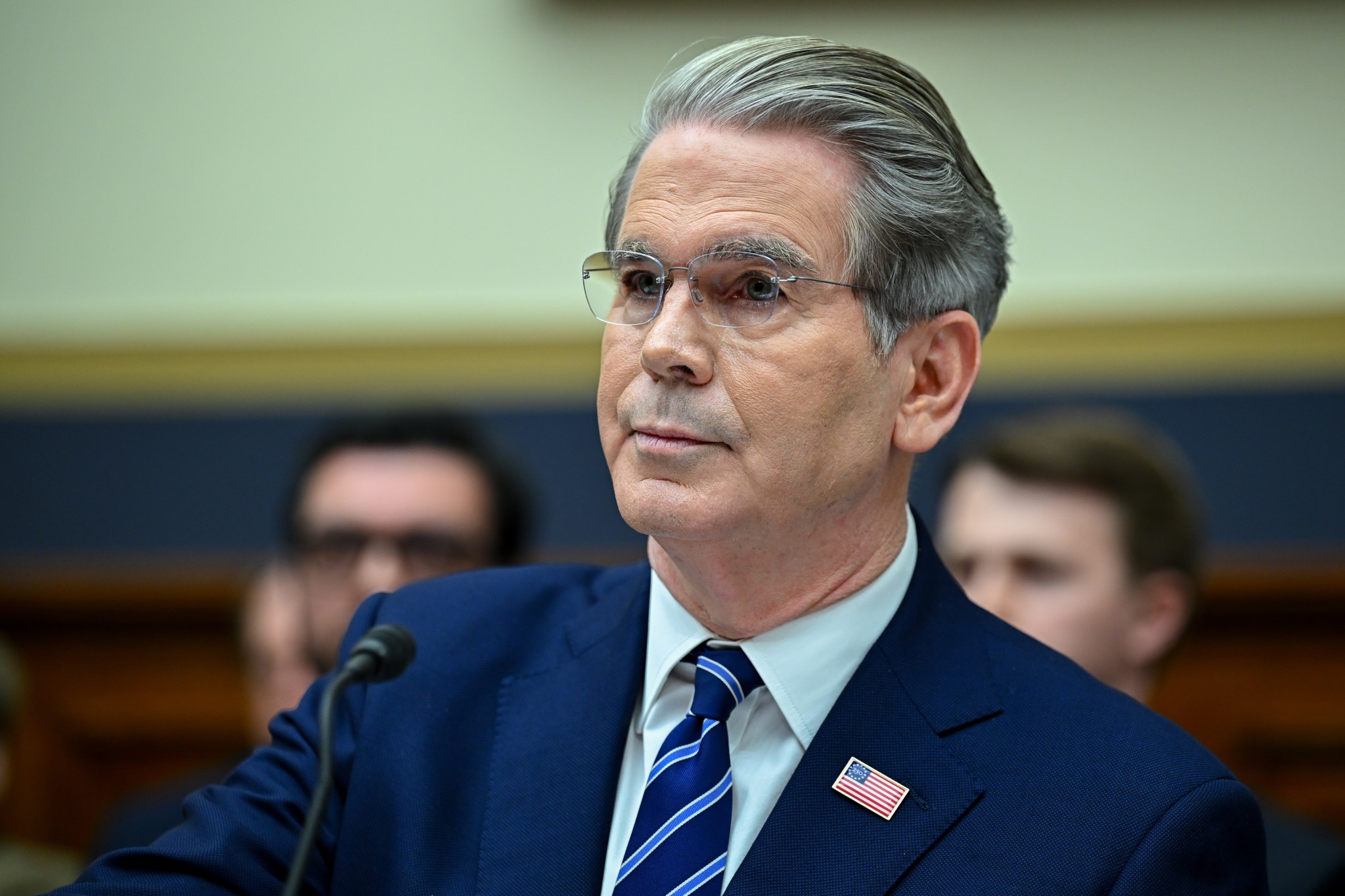
Phillip Swagel, the director of the CBO, echoed this urgency in his own statement, directly stating that the agency’s projections “continue to show that the fiscal trajectory is unsustainable,” and that the growing government bill also risks undermining business spending and growth elsewhere in the economy.
“When the federal government borrows in the financial markets, it competes with other participants for funds, and that competition drives up interest rates and discourages private investment,” he said.
In his statement, MacGuineas also noted how a heavy debt load threatens some of the country’s core safety nets with insolvency. The Highway Trust Fund, a transit infrastructure maintenance financing mechanism, is expected to run out in 2028, and the Social Security Old-Age and Survivors Insurance Trust Fund, a retirement funding program, is expected to run out in 2032—a year earlier than previously estimated.
While the US national debt has been rising for decades, its decline has been a bipartisan talking point. Trump himself is repeating himself PROMISE to reduce debt and spending, although the CBO report estimated that his first year back in office added $1.4 trillion in his 10-year estimate.
If the current laws remain unchanged, the CBO projects that the federal debt will increase by a whopping 175% by 2056. MacGuineas concluded that the lack of fiscal leadership is a direct threat to the country, urging lawmakers to take it seriously. “I encourage every Member of Congress and the President to take a hard look at these numbers and pledge to fix our nation’s finances before it’s too late.”