itstargetnews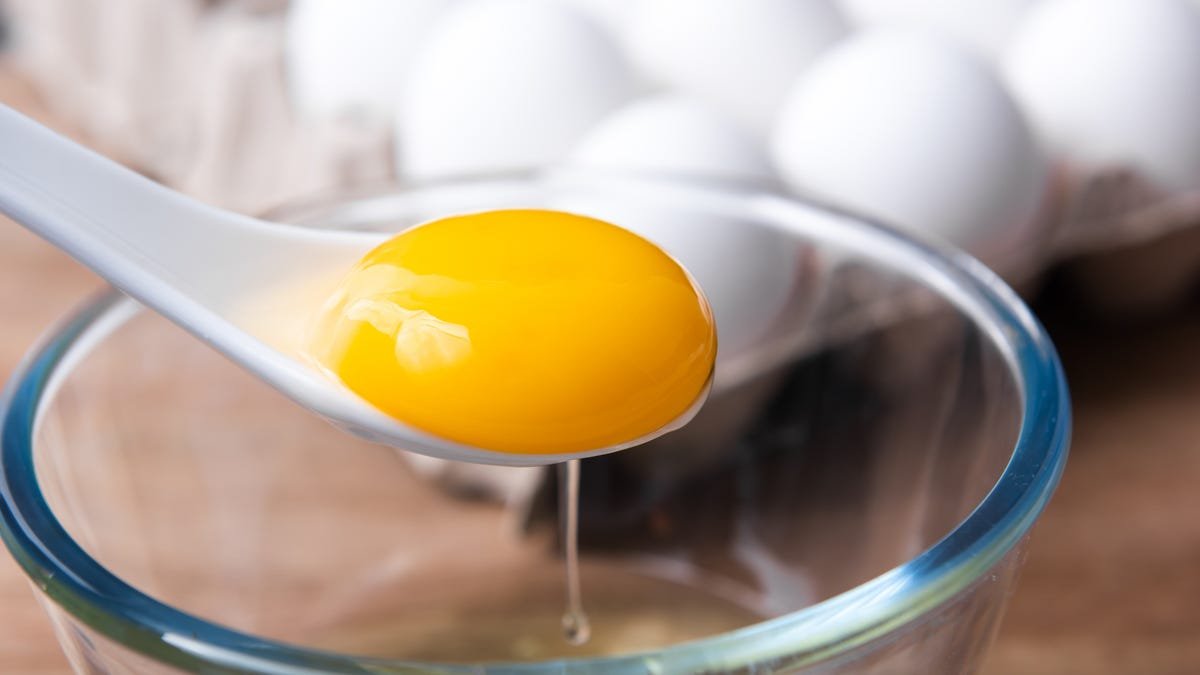
Now that the days are shorter, it’s natural that many of us don’t get as much time of day. Since the sun stimulates the production of vitamin D in our bodies, we may also not be getting enough of this important vitamin. This is important because vitamin D supports our bone health, immune systemcalcium absorption and more.
while vitamin D supplements (if recommended by your doctor) is a way to get more vitamins, there are also some foods rich in vitamin D. We have listed them below, but before making any significant changes to your diet, consult your doctor first.
Best foods for vitamin D
Salmon and egg yolks are just two foods rich in vitamin D.
1. Salmon
The amount of vitamin D can vary depending on the fish you use. For example, a study found that farmed salmon had 25% of the vitamin D content as found in wild-caught salmon. That said, if you’re getting vitamin D from fish sources, try to choose wild-caught fish instead of farm-raised fish. The USDA says that sockeye salmon contains an average of 670 IU of vitamin D per 3.5-ounce serving.
2. Swordfish
Another fatty fish that is an excellent source of vitamin D is swordfish. The USDA lists a 100-gram serving as containing 666 IU of vitamin D. That’s more than the 600 IU daily recommendation for people ages 1 to 70, so cooking swordfish for dinner can help you quickly meet your vitamin D needs.
3. Tuna
This lunchtime staple can also provide an important source of vitamin D. Although not as high as salmon or swordfish, fresh yellowfin tuna still contains 82 IU of vitamin D per 100-gram serving, according to the USDA. This food can be included as part of an overall diet rich in vitamin D. However, bluefin tuna contains 227 IU of vitamin D per 100-gram serving, so check what kind of tuna you are eating as well.
4. Egg yolks
As listed by the USDA, one whole egg packs 218 IU of vitamin D. Just making a frittata or some scrambled eggs in the morning with two eggs can give you a 436-IU boost of vitamin D. That’s a great way to start any morning.
5. Orange juice
While oranges are better known for their vitamin C, orange juice is often fortified with additional vitamin D to help improve our health. Check the label of your orange juice to see if it is fortified with vitamin D. One study found that vitamin D2 and D3 are the same bioavailable of orange juice like drinking vitamin D capsules, which means that the body can absorb more vitamins.
In addition to vitamin C, orange juice is often fortified with vitamin D.
6. Fortified milk
Milk is another drink that is often fortified with vitamin D to help us get this valuable nutrient. Like orange juice, milk is not a natural source of vitamin D, but is approved by the FDA manufacturers to voluntarily add 84 IU of vitamin D3 per 100 grams of milk and 84 IU per 100 grams of D2 to plant-based milk alternatives.
7. Fortified cereal
Another good way to access vitamin D is to choose cereals that are fortified with it. There is a wide variety of cereals that all have added vitamin D. You should check the label of what you are buying. the Mayo Clinic lists fortified cereal as a good source of vitamin D. You may want to look for healthier brands of cereal, such as whole grain options, which are more likely to be fortified with higher levels of vitamin D and are better for you overall. Try to avoid very sweet cereals that have little nutrients.
8. Beef liver
Liver is a love-it-or-hate-it food, but if you like beef liver, this is another great way to get vitamin D. You can cook it, popular with onions, or liver sausage can be a good source of vitamin D. According to the USDA, pan-fried cooked beef liver contains 40 IU of vitamin D in a slice.
9. Sardines
This is another food that people love or really hate. However, if you are a fan of sardines, sardines have a higher amount of vitamin D. The USDA says that 100 grams of canned sardines contain 193 IU of vitamin D. Enjoy sardines with some crackers or add them to your favorite pizza.
If you like sardines, good news: They contain vitamin D.
10. Herring
Herring is another type of fatty fish that is popular to eat from the jar and on crackers, or you can cook it for dinner. Herring contains 214 IU of vitamin D for a 100-gram serving, according to the USDA. In fact, herring is a popular food to eat during the holidays in the Midwest. During the cold and dark months, it is a convenient and popular holiday food, and it has high levels of vitamin D.
11. Wild mushrooms
If you’re looking for vitamin D that doesn’t come from animal sources, mushrooms are perfect. Like us, mushrooms create vitamin D when exposed to UV light from the sun. Fungi are full of vitamin D2 (Animal sources contain vitamin D3), and one cup of wild mushrooms can be equivalent to about 136 IU of vitamin D.