itstargetnews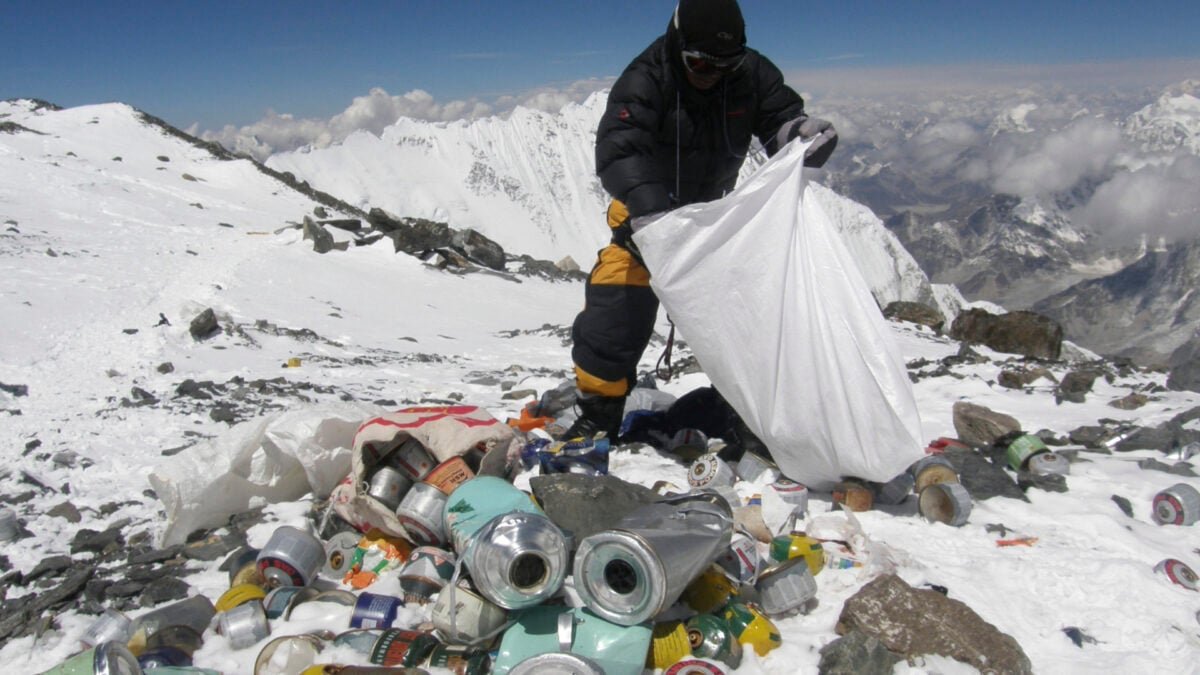

Even the most remote corner of the Earth is not safe from human waste. The garbage is piling up Mount Everest since the commercial climbing boom of the 1980s, and one of Nepal’s longest-running cleanup efforts has apparently been deemed a failure.
Since 2014, Nepal has required Everest climbers to carry at least 18 pounds (8 kilograms) of waste return to the mountain with them or lose a $4,000 deposit. Officials hope it will put a dent in the tens of tons of trash littering Everest’s South Col, the last camp before the summit. Now, they scrapped the plan.
Himal Gautam, director of Nepal’s tourism department, SPOKE the BBC that Everest’s garbage problem “hasn’t gone away” after more than a decade. In addition, the waste deposit scheme itself “has become an administrative burden,” he said. Fortunately, the Nepalese authorities have a plan to improve the program.
Garbage falling through the cracks
Garbage disposal is one of several programs aimed at combating Everest’s litter problem.
Some are more successful than others, such as those coordinated by the Sagarmatha Pollution Control Committee, a waste management NGO for the Everest region. During the spring 2024 climbing season, the SPCC collected 85 tons of trash from the Everest base camp while the expedition team brought another 10 tons from the higher camps, according to The Kathmandu Post.
Those high camps proved to be the most difficult to clean—an estimated 40 to 50 tons of garbage in South Col. One of the main problems with the waste deposit program is that climbers tend to remove waste from the lower camps, Tshering Sherpa, chief executive officer of the SPCC, told the BBC.
Another issue is that climbers should not bring back more trash than they left behind. According to Sherpa, the average climber produces up to 26 lbs (12 kg) of waste during their time on the mountain.
But most importantly, there is a serious need for more waste monitoring at higher altitudes. Beyond a checkpoint above the Khumbu Icefall—a treacherous, constantly shifting glacier section of the South Col route—there is “no monitoring of what the climbers are doing,” Sherpa said.
For decades, waste pollution on Everest has contaminated water sources, introduced microplastics and toxic chemicals to the once pristine landscape, and created a biohazard for locals and climbers—especially from discarded human waste. Officials in Nepal hope that changing the rules on waste disposal will make a difference.
Duplication of continuity
Going forward, climbers must pay a non-refundable cleaning fee (likely $4,000) to establish a permanent mountain welfare fund dedicated to conservation and waste management, The Kathmandu Post reports.
The income will fund several projects, including the construction of waste collection and processing facilities at base camp or nearby and the placement of rangers who will ensure that climbers carry their waste from the top of the mountain.
This revised program will be part of the Ministry of Culture, Tourism, and Civil Aviation’s newly announced five-year plan to clean up the mountain. This initiative also includes a feasibility study to relocate Everest Base Camp amid growing environmental concerns.
While Nepal may be throwing in the towel on its current waste disposal program, it is clear that the government is not giving up on Everest. As more and more climbers flock to this iconic destination every year, solving the mountain’s trash problem becomes more challenging.