itstargetnews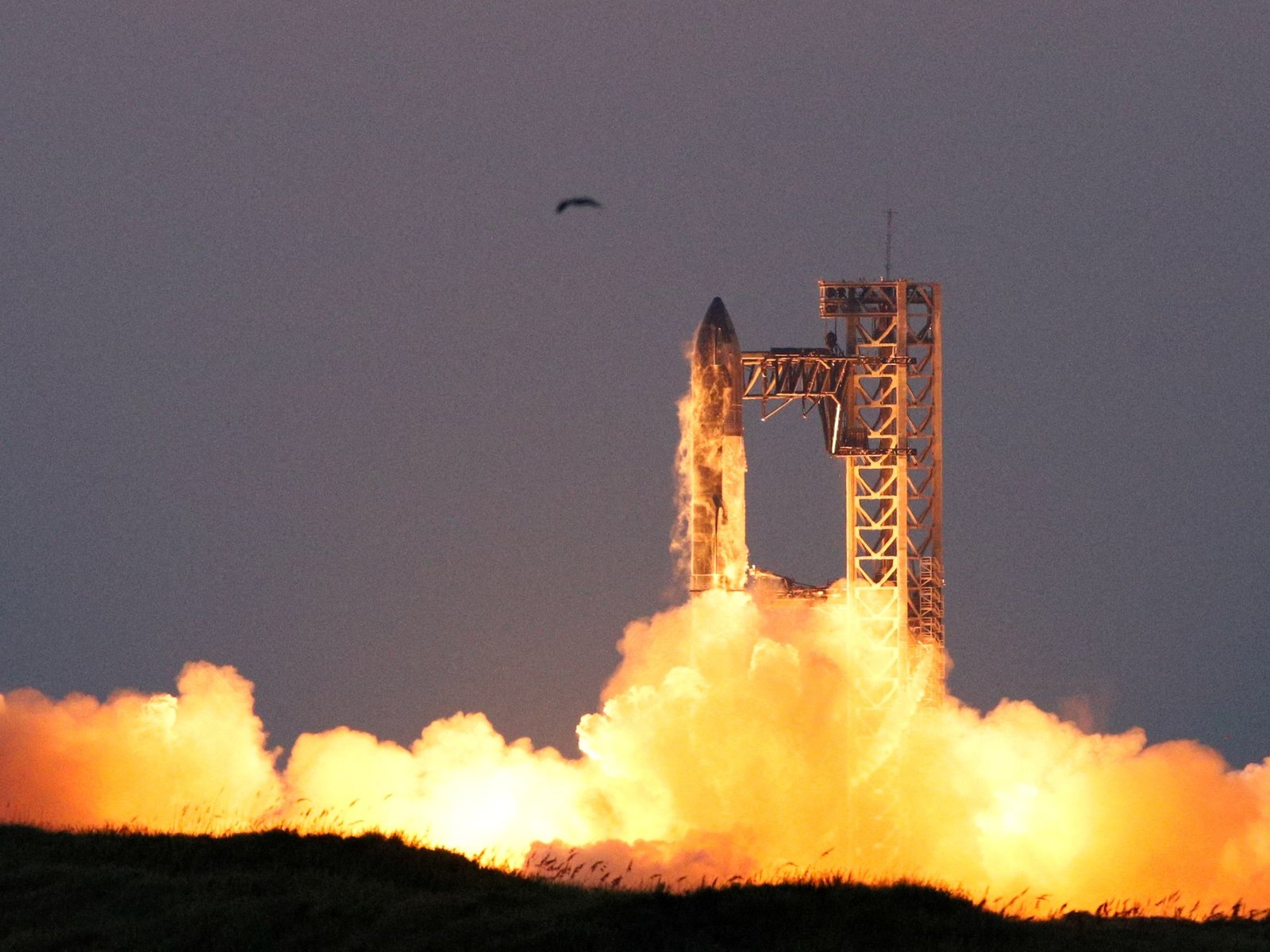
Musk said solar power and space-based data centers are the only way to meet the growing energy needs of artificial intelligence.

Posted on February 3, 2026
Elon Musk’s SpaceX has acquired his artificial intelligence company xAI as part of its ambitious plan to build space-based data centers to power the future of artificial intelligence.
The billionaire, who is also the CEO of Tesla, announced the merger in a statement on the SpaceX website on Tuesday.
Recommended Stories
4 item listend of list
Musk said the merger will help solve the emerging problem of how to meet the power needs of artificial intelligence.
He said AI demands would require “significant amounts of power and cooling” that would be unsustainable on Earth without “causing hardship to communities and the environment.”
Musk said space-based data centers that harness the power of the sun are the only long-term solution.
“In the long term, space-based AI is clearly the only way to scale. Harnessing one millionth of the sun’s energy would require a million times more energy than our civilization currently uses!” he wrote.
“So the only logical solution is to move these resource-intensive efforts to places with huge power and space,” he continued, predicting that in the next “2 to 3 years, the cheapest way to generate artificial intelligence computing will be in space.”
The merger of SpaceX and xAI will bring together Musk’s multiple space, artificial intelligence, Internet and social media projects.
SpaceX operates the Falcon and Starship rocket programs, while xAI is best known for developing the artificial intelligence-powered Grok chatbot. Last year, xAI also acquired X, a social media platform called Twitter, until it was acquired by Musk at the end of 2022.
Both companies have major contracts with U.S. government agencies such as NASA and the Department of Defense.
SpaceX’s Starshield unit specializes in working with government entities, including military and intelligence agencies.
Musk isn’t the only tech CEO looking to space to solve AI’s energy woes.
Jeff Bezos’ Blue Origin and Google’s Suncatcher project are both working on solar-powered space data centers.
“Never in the history of spaceflight has a vehicle been able to launch the megatons of mass required for a space data center or a permanent base on the moon and a city on Mars,” Musk wrote.
Musk also said his long-term plan for SpaceX is to launch 1 million satellites.
To achieve that, SpaceX’s Starship rocket program aims to one day launch once an hour with a payload of 200 tons, he said.
Musk said that Starlink, a subsidiary of SpaceX that provides satellite Internet services, will soon get a major boost with the launch of SpaceX’s next-generation V3 satellite.
He wrote that the capacity of each satellite would be increased by “more than 20 times the capacity of the V2 Starlink satellites currently launched by Falcon.”