itstargetnews
CAZ Investments Chief Investment Officer Christopher Zook looks at the number of M&A deals that took place under Biden vs. Trump.
The Biden-Harris Administration took an aggressive stance in reviewing M&A proposals in recent years, resulting in several deals being blocked or halted by regulatory action.
The Federal Trade Commission (FTC) and the Antitrust Division of the Department of Justice (DOJ) are the primary regulatory agencies responsible for review of mergers and challenge them in court if there are doubts about the competitive impact.
These two agencies have challenged several high-profile mergers in recent years, several of which were blocked by the courts or abandoned by the companies involved in 2024.
FTC Chairwoman Lina Khan said in a November interview with the Council on Foreign Relations that increased scrutiny of mergers means that “potential competition risk is part of the conversation on day one ” and added, “As a law enforcement officer, I want people to be thinking about whether their agreement will violate the law or not violate the law and that’s progress.”
FTC: SEE HOW MANY MERGERS AND ACQUISITIONS IT HAS BLOCKED DURING BIDEN ADMIN
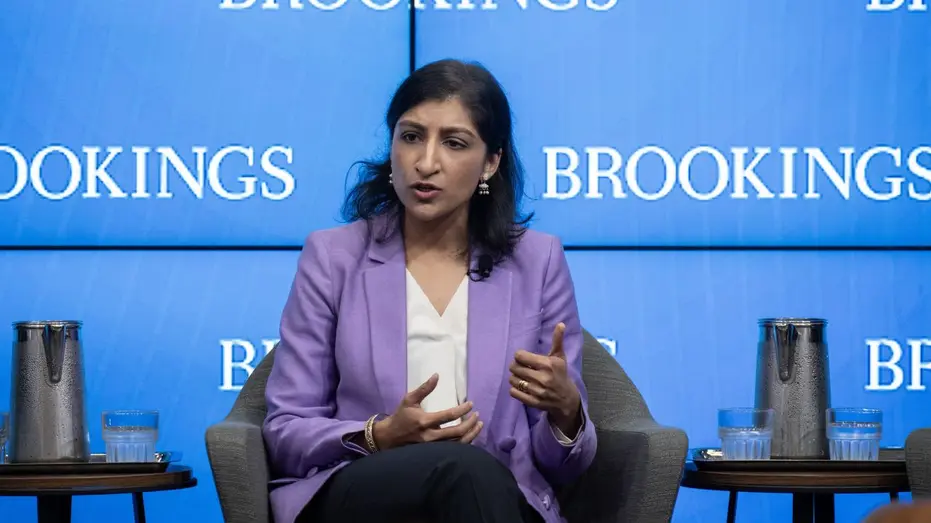
Federal Trade Commission Chairwoman Lina Khan has led the administration’s efforts to challenge mergers on competitive grounds. (Drew Angerer/Getty Images/Getty Images)
Here are some of the mergers that were blocked, abandoned or suspended in 2024 amid federal antitrust scrutiny.
Albertsons and Kroger
The FTC and state law enforcement authorities prevailed this month in lawsuits filed against the proposed $25 billion merger between Albertsons and Kroger, which would have been the largest merger in history. grocery industry.
The two companies expressed disappointment that the courts rejected their proposed merger following the ruling. Albertsons and Kroger had planned to divest more than 500 stores to C&S Wholesale Grocers to address concerns about the competitive impact on the grocery industry.
Albertsons terminated the merger agreement after the rulings. He also filed a lawsuit alleging Kroger breached the merger agreement by failing to divest some assets, failing to address comments from regulators, rejecting stronger divestiture buyers and failing to cooperate with Albertsons. A Kroger spokesman rejected those claims, telling The Wall Street Journal that Albertsons was deflecting blame for the failed merger and breached the merger agreement.
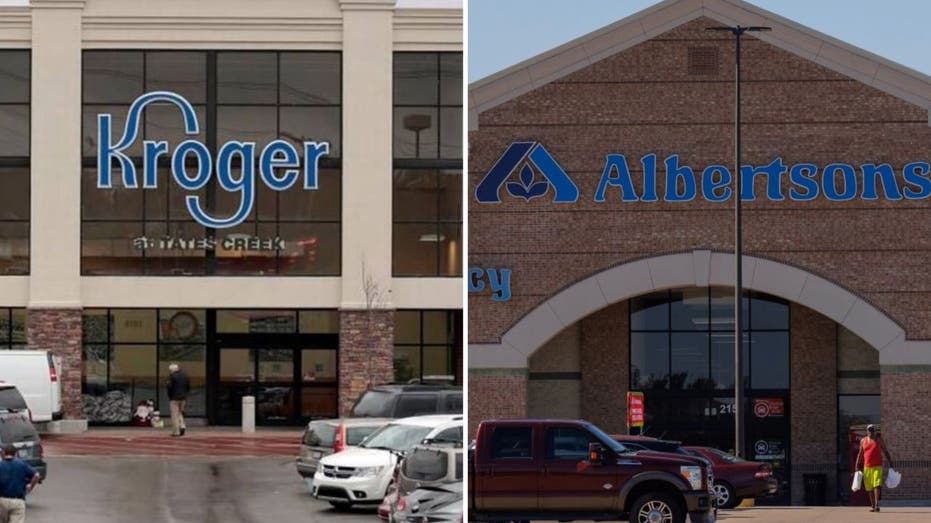
Kroger and Albertsons abandoned their merger after court rulings. (Kroger: Charles Bertram/Lexington Herald-Leader/Tribune News Service via Getty Images | Albertsons: Shelby Tauber/Bloomberg via Getty Images/Getty Images)
FEDERAL JUDGE BLOCKS KROGER’S $25 BILLION ACQUISITION OF ALBERTSONS
Capri and Tapestry
Luxury fashion companies Capri and Tapestry finalized their merger in November 2024 after a judge ruled in late October that their tie-up undermined competition in the luxury handbag and accessories space.
The ruling rejected the companies’ argument that handbags are non-essential goods that are price sensitive. consumer preferenceswith the judge writing that statement “ignores that handbags are important to many women, not just to express themselves through fashion, but to aid in their daily lives.”
Had the merger gone ahead, it would have united Tapestry’s Coach, Kate Spade and Stuart Weitzman brands with Capri’s Versace, Jimmy Choo and Michael Kors.
Versace was among the luxury brands that would have combined if the Capri and Tapestry merger had gone ahead. (Photo by Scott Olson/Getty Images/Getty Images)
JETBLUE, SPIRIT AGREE TO TERMINATE MERGER DUE TO REGULATORY ISSUES
JetBlue and Spirit
JetBlue and Spirit finalized their merger in March 2024 after determining it was the “best way forward” when it became clear that the two airlines would likely not receive legal and regulatory approvals before the July 2024 deadline for conclude the agreement.
The two companies envisioned the merger as a way to create a low-cost domestic competitor to the so-called Big Four airlines: American, United, Delta and Southwest.
A federal judge in January blocked the proposed merger between JetBlue and Spirit after agreeing with the Justice Department that the deal would hurt the availability of low-cost airline tickets.
FTC SUES TO BLOCK $4 BILLION MERGER OF MATRASSO COMPANIES
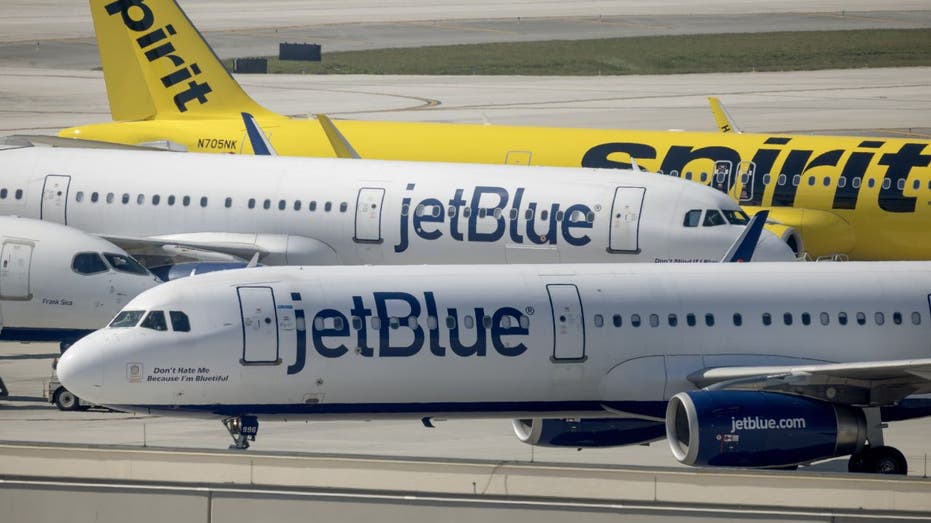
JetBlue and Spirit abandoned their planned merger amid regulatory scrutiny. (Photo by Joe Raedle/Getty Images/Getty Images)
Tempur Sealy and Mattress Firm
Tempur Sealy and Mattress Firm proposed a $4 billion deal in May 2023 that would see the mattress supplier acquire the retailer, though the deal is currently ongoing. legal danger.
The FTC issued a bipartisan 5-0 vote in July to block the merger that would have brought together the world’s largest mattress supplier and the largest mattress retailer over concerns about the competitive impact on the industry and consumer prices .
Tempur Sealy and Mattress Firm have argued that the bedding industry is “highly competitive” as consumers can choose from “a diverse selection of products, brands, prices and purchase channels.”
Closing arguments in the federal court case were held in mid-December, although a decision has not yet been announced.
GET THE FOX BUSINESS ANYWHERE CLICK HERE
UnitedHealth Group and Amedisys
The DOJ filed a lawsuit in November to block the proposed $3.3 billion acquisition of Amidisys by UnitedHealth Group, a home health company that provides hospice services.
The agency argues the deal would eliminate competition in the home health and hospice industry, hurting patients, insurers and nurses in the process. Attorney General Merrick Garland said in announcing the lawsuit that the agency wants to “check illegal consolidation and monopolization” in the health care industry.
Optum, a subsidiary of UnitedHealth Group, argues on a website supporting the deal that there is a high degree of competition in the home health and hospital care industries and that the merger would increase competition rather than undermine it