itstargetnews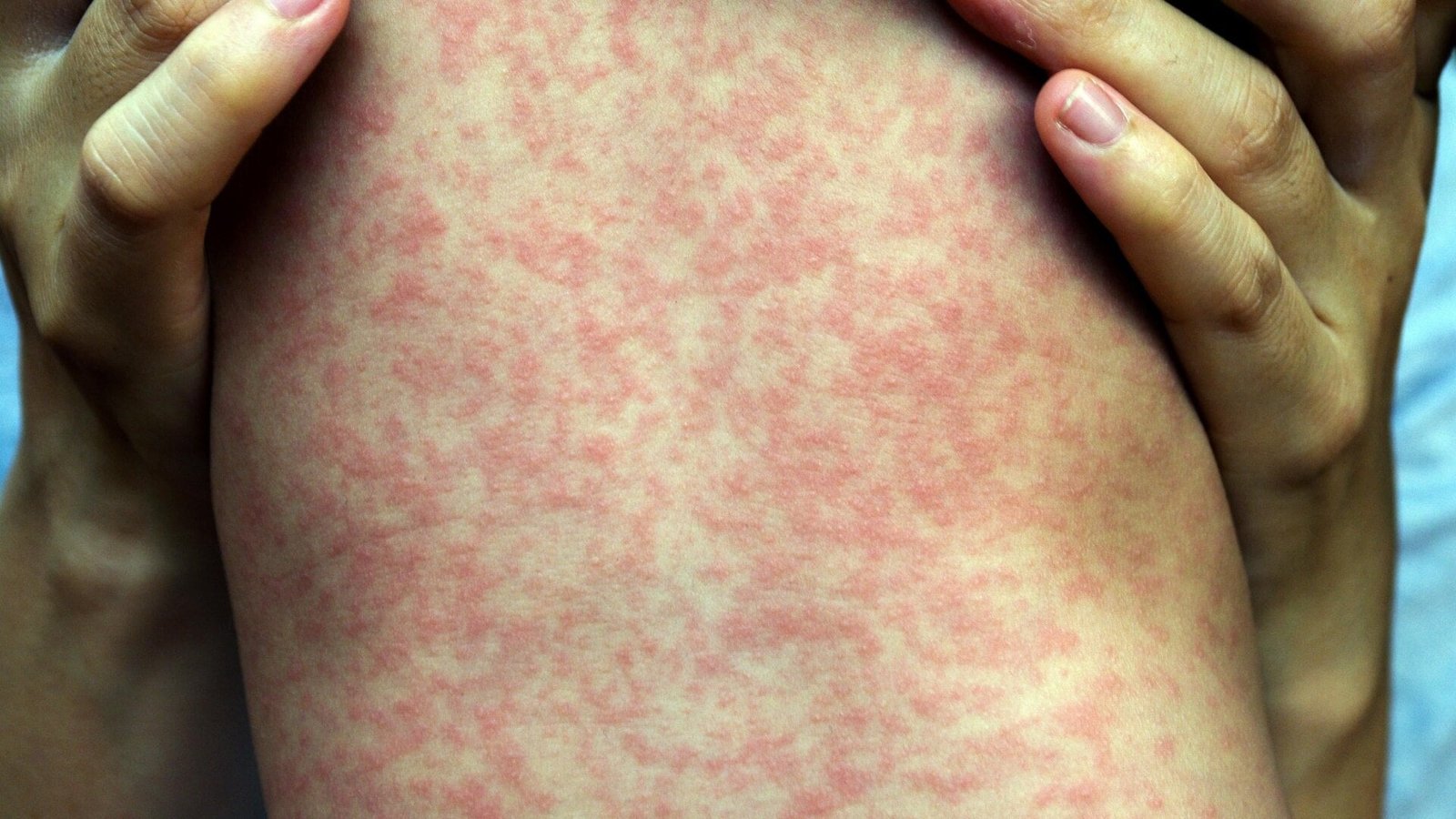

The ongoing measles outbreak in South Carolina is causing serious, even life-threatening, health issues for some unfortunate children.
This week, the South Carolina Department of Public Health released the latest update on the outbreak. Officials detailed that at least 19 people in the state have been hospitalized due to severe measles complications, including several children who developed brain inflammation, or encephalitis, as a result of the infection. There have been nearly 900 cases documented in the state since October.
“These are the complications we hope to prevent. And increasing vaccination coverage protects the unvaccinated such as infants, pregnant women, and those with weakened immune systems,” SAYS state epidemiologist Linda Bell in a press conference held Thursday by the department.
Measles encephalitis
Encephalitis is a well-known, if rare, complication of measles, is estimated to occur in about one in every 1,000 cases.
The condition can be triggered by a virus that reaches the brain during infection or by a poor immune response in brain cells that occurs after the initial disease has disappeared. A rarer form, called subacute sclerosing panencephalitis (SSPE), is caused by persistent infection with a mutated measles virus; SSPE can take up to a decade after exposure to appear, and it is almost always fatal within one to three years of diagnosis.
Measles encephalitis was not the only serious health problem encountered in this outbreak. Bell also reported that some children developed pneumonia, while some pregnant women were likely exposed to the infection. These women receive prophylaxis (in this case, donated antibodies to the virus) to reduce the risk of serious illness to them or their fetus.
from early last yearthere have been about 3,000 reported cases of measles in the US, with outbreaks in nearly every state. The outbreak in South Carolina, with 876 cases today, is now in America largest outbreak of measles recorded in the last 25 years. Three people died of measles, while hundreds were sent to the hospital. And while still uncertain, continued local transmission of the virus threatens to torpedo the country’s official measles-free status, first achieved in 2000.
Growing crisis
These outbreaks are often the result of lagging vaccination rates in some parts of the US (the national rate remains high, although it has declined slightly of late). But the current Trump administration has tried to avoid any responsibility for the crisis.
Last week, CDC deputy director Ralph Abraham contended in the Wall Street Journal that the return of measles is not a failure of American policy, because other countries such as Canada have also experienced similar new outbreaks. He also tried to cast doubt on the effectiveness of the measles vaccine by misrepresenting his agency’s own data.
The man currently in charge of the nation’s public health, Health Secretary Robert F. Kennedy Jr., is a longtime anti-vaccine advocate who has always strayed public about the safety and efficacy of the measles vaccine. During his will reign as head of HHShe personally fired senior officials who refused to support his anti-vaccine policies. And during the measles outbreak in West Texas (now the second largest in the country) last year, he recommended non-supportive treatments like cod liver oil that likely more at risk some children.