itstargetnews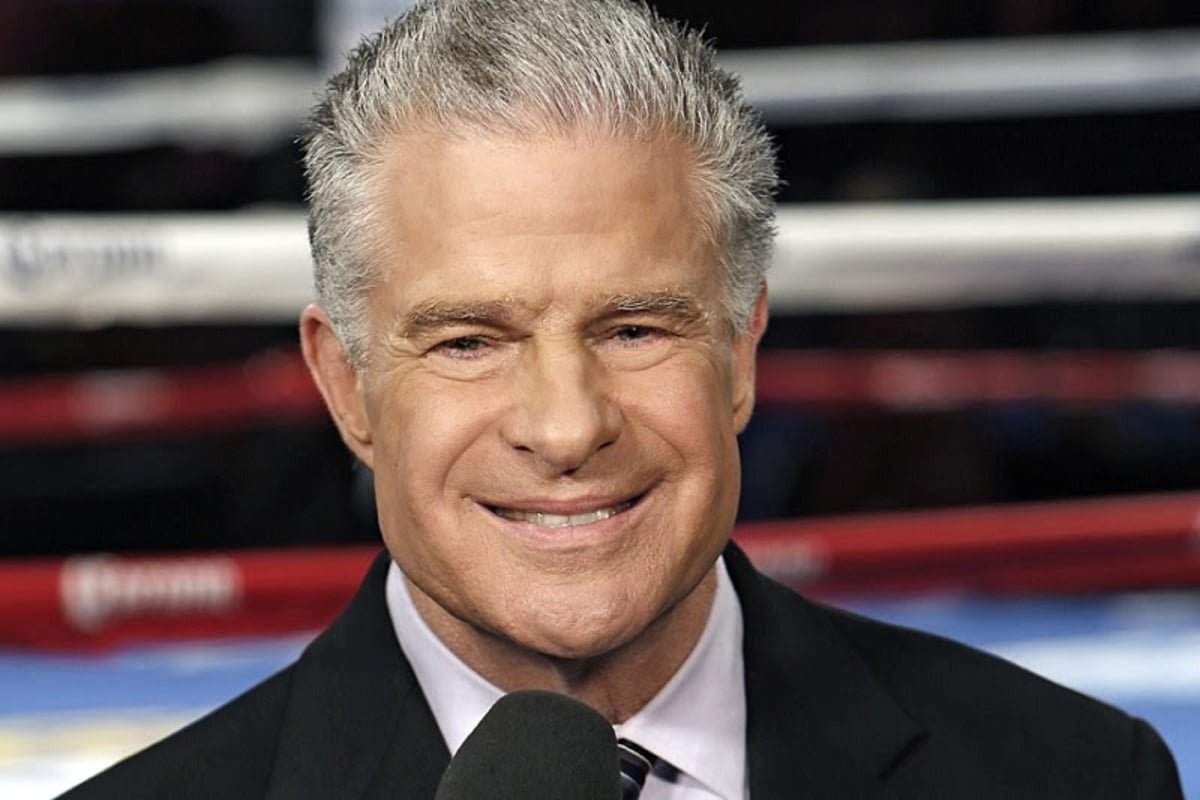


When the conversation turned from tactics to scale, something striking emerged. Why did the match between two undefeated U.S. champions at Madison Square Garden feel smaller than expected?
Lampley didn’t put the blame on the fighters or suggest the fight was poor or lacked quality. Instead, he describes a sport that no longer has a place where such fights can be explained in real time to a wide audience. In his view, boxing has not lost its talent pool. It loses a consistent narrator.
For decades, HBO has played a central role in bringing boxing to audiences.
It serves as an orientation point, telling viewers how to watch, what to value, and why certain genres of excellence are worth waiting for. Fighters based on defense and control are viewed as skills to be understood rather than problems to be solved. This approach doesn’t guarantee widespread popularity, but it provides boxing with a common language.
Lampley’s comments suggest that language is already divided. The sport still produces technically rich fights and champions with layered skills, but it no longer has a widely trusted voice able to slow things down and guide viewers to see what they see without apology.
This absence is most evident in a fighter like Stevenson. Lampley spoke highly of his defensive skills, placing him in a lineage that includes Pernell Whitaker and Floyd Mayweather. These comparisons were once institutionally backed, reinforced over time by familiar production teams, recurring voices, and steady expectations.
Now they exist in a fragmented environment, competing with short clips, reaction content, and an attention economy that favors immediacy over comprehension. The result was not backlash or hostility. This is indifference.
Lampley noted that boxing no longer receives as much media attention as it once did, especially in the lightweight division, which is based on skill rather than spectacle. He made this observation a description of the current situation, not a complaint. The platforms that replaced HBO and Showtime were more fragmented, more niche, and unable to establish a common point of reference.
In this environment, even the most intense battles can be played out on the schedule without feeling central. The Lopez vs. Stevenson fight became a focal point for the faithful rather than a gathering moment for the sport, not because it lacked quality, but because there was no place to explain why that quality should be of concern.
Lampley’s comments about Terrence Crawford are instructive. Crawford retired as one of the most well-rounded boxers of his generation but never fully entered mainstream recognition. Lampley described him as an under-hyped fighter whose abilities were obvious but not fully explained to a wider audience. Similar forces are at work now.
This is not a reason to go back to the past. The media landscape will not realign around one outlet, and the conditions for HBO to serve as boxing’s interpreter no longer exist. Rather, Lampley’s remarks underscore what is lost in transformation.
Without a stable narrator, boxing increasingly relies on moments rather than mastery to capture attention. Skill-driven combat will struggle to transcend its core audience. Boxing is not going to disappear suddenly. It has become less central to the broader sports conversation.
Lopez’s matchup against Stevenson might still produce something memorable on Saturday. The result will be decided in the ring. Lampley’s comments make it clear that the larger challenges surrounding this fight lie elsewhere.
There is no shortage of talented fighters in boxing. It has lost a common voice that could patiently and consistently explain why a fight like this deserves continued attention.