itstargetnews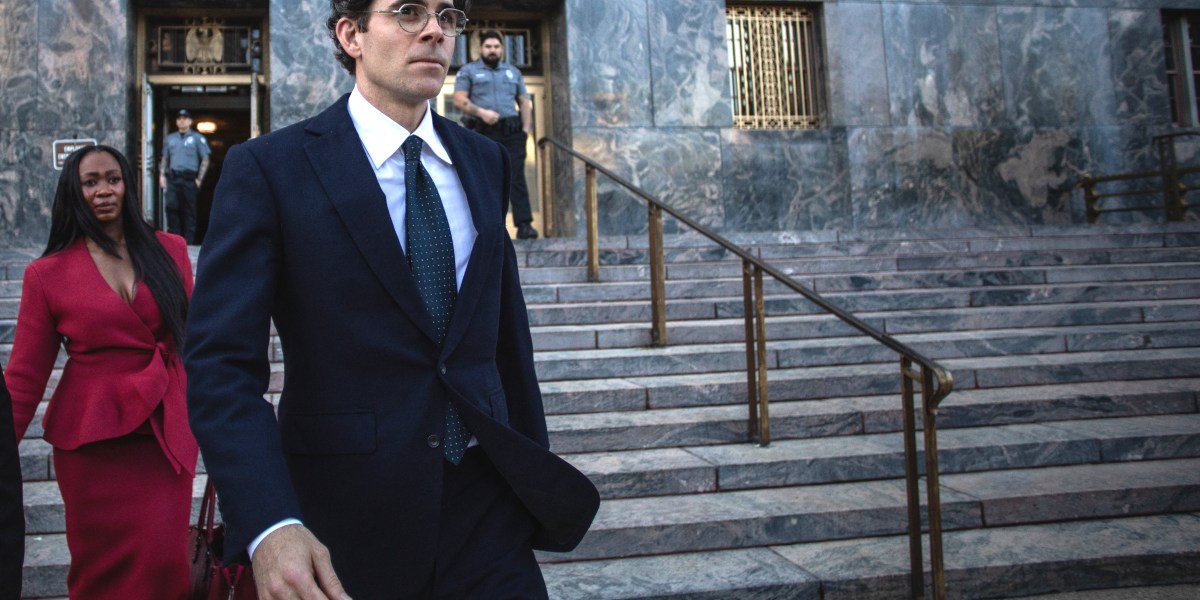
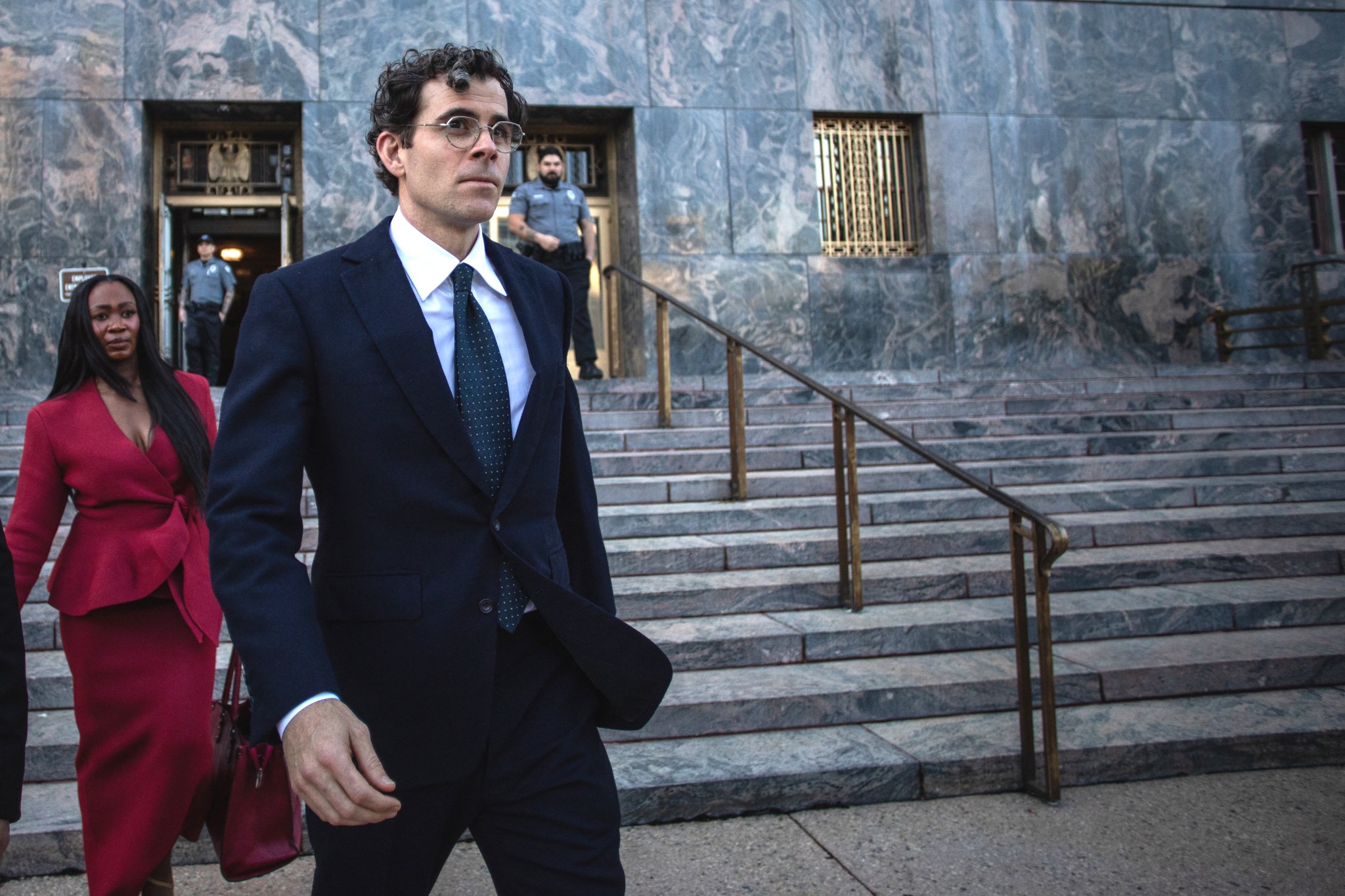
Head of Instagram Adam Mosseri’s compensation was damaged during the landmark social media addiction trial against Meta and the YouTube in Los Angeles on Wednesday.
Mosseri, who has led Instagram since 2016, revealed under questioning that he was paid nearly $900,000 a year and received annual performance-based bonuses that could be up to half of his salary, according to multiple outlets covering the trial. Mosseri also gets stock-based compensation, which he said varies from year to year but is in the “tens of millions of dollars.” Some years, it’s more than $20 million, he said.
The 20-year-old plaintiff, identified by the initials “KGM” or “Kaley,” accused that he developed mental health issues due to social media addiction. Mosseri’s payment came as his lawyer, Mark Lanier, questioned the connection between his salary and the choices he made about the company’s growth—and whether the rise in social-media addiction was incentivized. Lanier also brought Mosseri’s previous reference on the addictive qualities of a podcast’s Instagram, though it’s unclear which podcast he’s referring to. Mosseri explained that he probably used the term “too casually,” as people sometimes do.
Mosseri strongly refutes the claim that Instagram is addictive and targets teenagers to increase revenue, saying that the company makes the least money from teenagers compared to other demographics because they have no disposable income.
Mosseri said there is an important difference between “clinical addiction” and “problematic” use, though he also repeatedly said he is not a medical professional.
“I believe that protecting minors in the long run is good for profit and business,” Mosseri said when asked by Meta’s lawyers. But that wasn’t all Mosseri had to contend with.
Internal documents exposed
Lanier showed the court internal documents written by Meta executives that suggested they knew the filters harmed young women, but that removing such filters would make the company less competitive, CNN reported.
“We’re talking about encouraging young women with body dysmorphia,” an email from a Meta executive read. In another email, an executive said banning filters “will limit our ability to be competitive in Asian markets (including India).”
Instagram initially decided to ban all filters that distort faces, Mosseri said, but later changed the decision.
Lanier asked Mosseri if banning filters that change how users look could affect the company’s bottom line. “I’m not at all worried about it affecting our stock price,” Mosseri replied, defending against the idea that his compensation was linked to product design choices that hurt users.
Meta’s proxy statements filed with the SEC include detailed pay tables only for named executive officers, such as Mark Zuckerberg and a small number of top corporate executives; Mosseri is usually not listed among the named officers, so his exact annual compensation is not shared by proxy like the CEO, making his testimony the closest look at his compensation.
Meta didn’t answer right away It’s fortune request for comment on Mosseri’s trial and fees.
Mosseri’s testimony offers a preview of what’s to come next week, when Meta CEO Mark Zuckerberg is expected to testify.