itstargetnews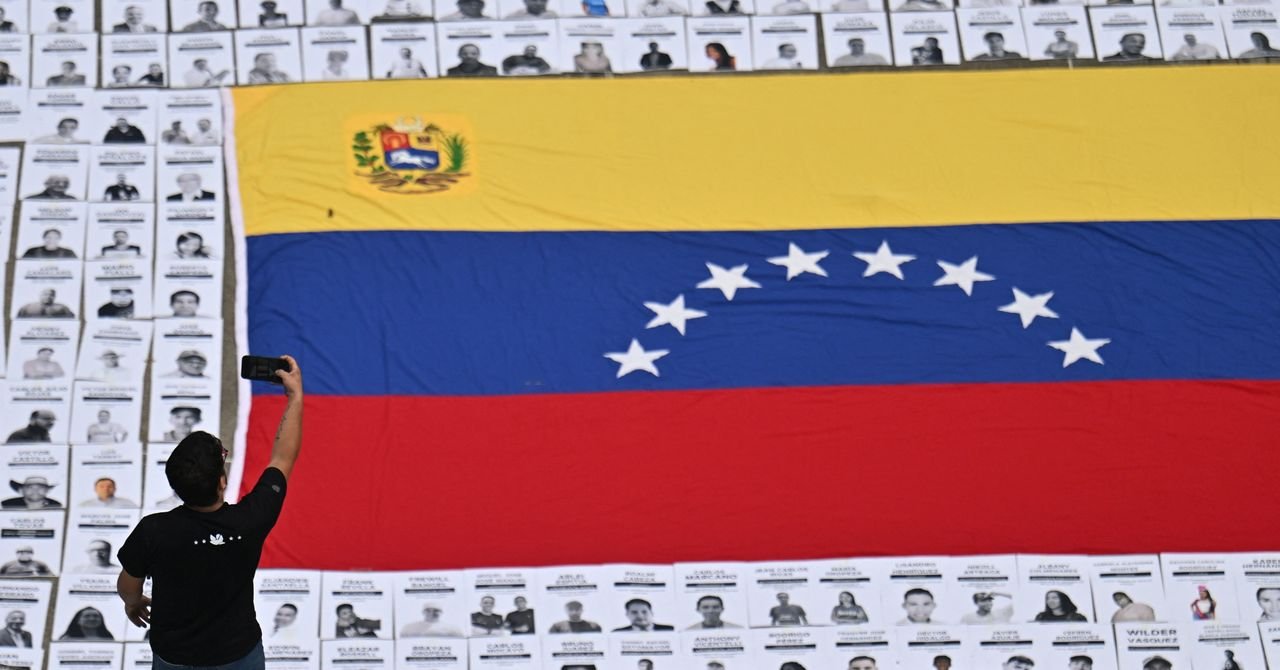
Earlier morning hours on Saturday, January 3, the roar of bombs falling from the sky announced the US military attack on Venezuelawoke up the sleeping residents of La Carlota, in Caracas, a neighborhood adjacent to the air base that was the target of Operation Absolute Resolve.
Marina G.’s first thought, as the floors, walls, and windows of her second-floor apartment shook, was that it was an earthquake. Her cat cowered and hid for hours, while the neighbors’ dogs began barking incessantly. But the continuation of the strange hum of engines (the military plane flying low over the city, he would later find out), as well as the sight of a group of cadets wearing T-shirts and shorts fleeing the Army headquarters, were signs that it was not an earthquake.
Marina cannot rely on the usual media outlets that are easily accessible in most other countries to find out more. He did not care to turn on the television or radio in search of information about the attacks that began simultaneously in 11 military installations in Caracas and three other states. The government-run television station Venezolana de Televisión (VTV) broadcast a report about the visit of the Russian culture minister as the attack took place. His cell phone, however, had a signal and he began to receive several messages on WhatsApp: “They bombed Caracas!”
During the darkest moments of that confusing morning, no group of independent journalists was able to go out and record what was happening in the streets. After years of government harassment, censorship, and imprisonment of journalists, there are instead empty newsrooms, destroyed resources, and a complete lack of security, making it impossible to inform the public as the crisis unfolds.
The fears felt by journalists are shared by many Venezuelans: the fears of arbitrary detention, of being imprisoned without reason, of being tortured, and of extortion. These are the fears that lead the citizens of Venezuela to adopt some digital protections to survive. They learned to block chats, move sensitive material to hidden folders, and automatically delete any “compromising” messages. If possible, they leave their cell phones at home. If they have to take their phones with them, then before going out, they remove all photos, stickers, and memes that could possibly be interpreted as subversive. This state of collective paranoia, however, allows Venezuelans to remain informed and not succumb to the dictatorship.
It is, for the most part, ordinary citizens who create this information network. Shortly after the bombs fell on January 3, the first videos began to circulate, recorded by people who witnessed the explosions from their windows and balconies, or from the beach, where some were still celebrating the New Year. Even hikers camped at the summit of Cerro Ávila, in the Waraira Repano National Park, were able to take panoramic shots of the bombs exploding over the Caracas Valley. Shortly after, international networks confirmed the news.
In the interior of the country, the connection is more complicated. In San Rafael de Mucuchíes, a peaceful Andean village in the state of Mérida, a group of hikers tried to track the chaotic course of events with intermittent internet access at 10,300 feet above sea level. They know the news from phone calls through operators such as Movistar (Telefónica) and Digitel, not from the instant messaging app WhatsApp. They also overcame the challenges of the information desert they were in by using a portable Starlink satellite internet antenna that one of the travelers had in their luggage. During the crisis, the service provided by SpaceX was provided free of charge to Venezuelans.