itstargetnews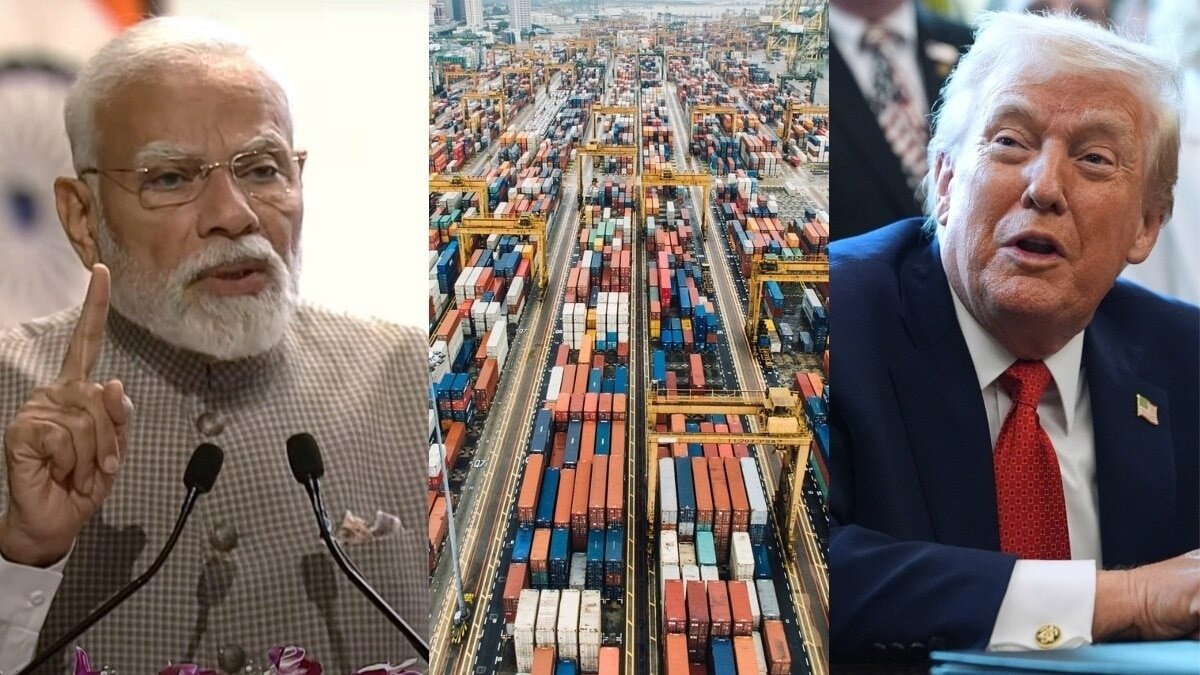
India’s trade relationship with the united states is slated for a significant recovery, with the country’s annual trade surplus with the USA It is expected to increase by $45 billion, while export potential could exceed $100 billion annually, following the new bilateral trade agreement, according to an analysis by SBI Research.
The agreement, which reduces the reciprocal tariff on Indian goods to 18%, places India among the most competitive Asian exporters in the US market. The tariff rate is now lower than that of several key Asian peers, including Vietnam and most ASEAN economies, significantly improving the relative prices of Indian exports across a wide range of sectors.
SBI Research estimates that India’s exports of goods to the US could rise by about $100 billion a year, driven by both tariff reductions and strong unmet demand in the American market. Even after accounting for a projected $55 billion increase in US imports, India’s net goods trade surplus could increase by $45 billion, taking the total surplus with the US beyond $90 billion annually. The net impact is estimated to add about 1.1% to India’s GDP, while generating annual foreign exchange savings of about $3 billion due to reduced import duties.
The increase in exports is supported by a substantial gap between supply and demand in the US market. While total US imports in key product categories exceed $3 trillion, India currently accounts for only about 3% of that demand. Sectors such as electrical machinery, pharmaceuticals, engineering products, gems and jewellery, textiles, chemicals, vehicles and seafood show particularly wide gaps between US demand and Indian supply, offering immediate scope for expansion.
SBI Research estimates that exports of the top 15 product categories alone could increase by nearly $97 billion annually, with total export gains comfortably exceeding the $100 billion mark when other commodities are included. Electrical machinery, nuclear reactors and mechanical appliances, pharmaceuticals, vehicles and gems and jewelery are expected to be among the major contributors to incremental exports.
Agriculture is another big beneficiary of the agreement. Nearly 75% of India’s agricultural exports to the US will now face zero additional tariffs, covering products such as rice, spices, tea, coffee, oilseeds, nuts and seafood. India already runs an agricultural trade surplus of about $1.3 billion with the US, and lower duties are expected to directly benefit farmers, fisheries and plantation-related sectors. The US accounts for nearly 25% of its rice imports from India, while seafood and spice exports are also expected to increase significantly.
On the import side, India has agreed to eliminate or reduce tariffs on a wide range of US industrial and agricultural goods and has indicated its intention to buy $500 billion worth of US products over the next five years, including energy, aircraft, technology products and precious metals. While US imports could increase by around $55 billion annually, SBI Research notes that the global balance remains decidedly in India’s favor.
The deal also opens the door to the diversification of China+1’s supply chain, especially in electronics and electrical equipment. SBI Research highlights the potential for US companies to invest in India to add value, replacing Chinese imports and using India as an export base for global markets.
Overall, the trade agreement places India in a unique and strong strategic and economic position. By improving export competitiveness without ceding sensitive domestic sectors, the deal could accelerate manufacturing, boost exports, strengthen external balances and deepen India’s role in global supply chains, marking a decisive shift in the economic engagement between India and the US.