itstargetnews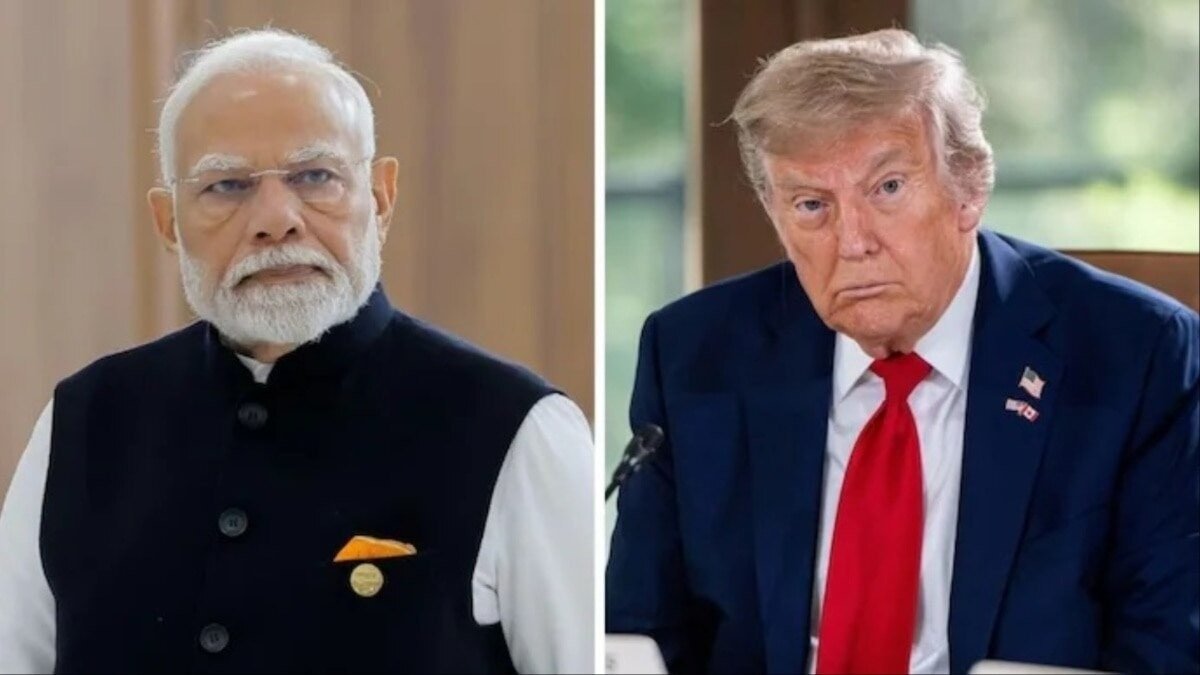
Scroll to close a trade agreement with India largely depends on Washington as New Delhi has already put its offers on the table, senior government officials said on Wednesday, warning that public remarks by members of the US administration should be seen in perspective.
According to the officials, the substantive details of the negotiations are known by the US Trade Representative (USTR) and the negotiating teams, rather than some individuals who may be making public comments. “What India had to offer has been done. Any statements by others in the US administration have to be seen in that context,” said a senior official, adding that the ball is now in the US court.
Senior officials said discussions between India and the United States were running in parallel, even as negotiations for the India-European Union free trade agreement entered its final stretch, stressing that New Delhi has been pursuing multiple trade avenues simultaneously. “The two sides are in talks, and even while the EU talk was going on, the two sides were in touch,” the official said, adding that India remains focused on getting the US trade deal “across the finish line.”
On the free trade agreement between India and the European Union, officials clarified that the timing reflected the maturity of the discussions rather than any reaction to developments on the US front. “It made sense to speed up the deal with the EU because those negotiations were underway long before the US FTA,” a government negotiator said.
Dismissing suggestions that progress on the India-EU deal was a knee-jerk response to uncertainty surrounding the US deal, officials stressed that both tracks are being pursued independently. “The India-EU deal is not a reaction to what may or may not be happening with the US deal. Each negotiation has its own trajectory and strategic rationale,” another senior official said.
India and the European Union on Tuesday concluded negotiations for the long-pending free trade agreement, marking a major milestone in India’s trade diplomacy after years of on-and-off engagement. Officials said the agreement provides for phased concessions of rights by both sides, better market access for goods and services, and stronger frameworks for investment and regulatory cooperation.
Under the pact, India has agreed to reduce benchmark tariffs on certain industrial products, automobiles and premium consumer goods for extended transition periods. In return, the EU has offered significant tariff concessions for labour-intensive Indian exports such as textiles, garments, leather goods and engineering products, sectors considered critical for job generation.
The agreement also includes commitments on services, public procurement, intellectual property, digital trade and sustainable development, while preserving policy space for national priorities.
Officials said talks on the deal with the EU gained momentum as global trading conditions became more volatile. The broader push to strike deals has been driven by concerns about the growing weaponization of trade and vulnerabilities in global supply chains.
“The decision to decisively move forward with the deal with the EU was taken as early as February last year,” said a senior official, noting that supply chain resilience and long-term economic security are now central to India’s trade strategy.