itstargetnews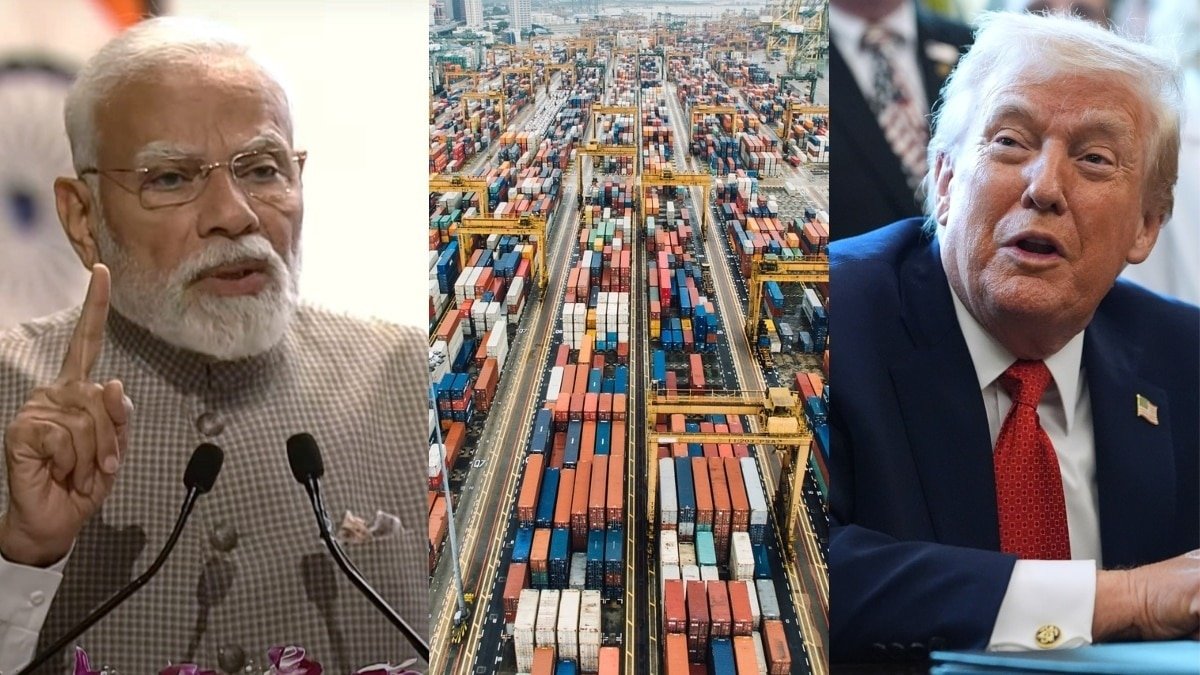
Indian and US officials have announced a global trade deal, with Washington cutting tariffs on Indian goods to 18%. The deal, revealed on Monday, includes India’s substantial commitment to buy more than $500 billion worth of US goods. Stakeholders from both sides indicated that the agreement covers a number of strategic sectors, including petroleum, defense, electronics, pharmaceuticals, telecommunications products and aviation. The reduction in tariffs and increased market access for US products is expected to significantly affect both economies.
What the agreement covers
India has agreed to buy oil, defense equipment and aircraft from the United States, while also partially opening up its tightly regulated agricultural sector under a trade deal, a government official said, as both sides move to ease months of strained relations, according to a Reuters report.
The official, speaking on condition of anonymity, said India has pledged to buy a range of US goods, including telecommunications equipment and pharmaceuticals, and has offered limited market access for certain agricultural products as part of New Delhi’s obligations under the deal.
India has recently extended selective and similar access for agricultural products to the European Union under a separate trade agreement.
To meet Washington’s immediate demands and push for the conclusion of the first tranche of the US-India trade deal, India has also reduced tariffs on imported cars, the official added.
On agriculture, US Secretary of Agriculture Brooke Rollins stated, “The new US-India deal will export more US agricultural products to the massive Indian market, boosting prices and bringing cash to rural America.” Rollins further pointed to the trade implications, noting, “In 2024, the U.S. agricultural trade deficit with India was $1.3 billion. India’s growing population is an important market for U.S. agricultural products, and today’s agreement will go a long way toward reducing that deficit,” highlighting the mutual economic benefits expected by both sides.
Leaders welcome the development
Prime Minister Narendra Modi has welcomed the development, describing himself as “delighted” by the tariff reduction and stressing the importance of the partnership. In his official statement, Modi remarked that “leadership is vital for global peace, stability and prosperity.” He also expressed optimism about future collaboration, stating, “I look forward to working closely with him to take our partnership to unprecedented heights.”
US President Donald Trump characterized the deal as India’s commitment to “buy more than $500 billion” in American products. This announcement follows a period of disputes and tariff negotiations, with the aim of restoring relations and fostering mutual economic growth. Indian government officials confirmed that the purchases would cover several sectors, including defense and energy, further diversifying India’s imports from the United States.
Experts react
International trade experts noted the strategic importance of the agreement. The phrase “The deal is a key priority for both sides” was echoed by analysts, reflecting the bilateral focus on comprehensive economic engagement. The trade package is seen as a response to recent tensions and a path towards more stable economic relations between India and the United States.
Tariff changes are a central part of the deal, with President Trump saying tariffs on Indian goods would be cut to 18 percent, down from previous rates of up to 50 percent. He stated that India would also reduce import duties on US goods to zero. Trump underscored the geopolitical dimension of the deal, stating, “This will help END THE WAR in Ukraine that is going on right now, with thousands of people dying every week!” link the trade agreement to broader international efforts.
India’s exports to the US rose 15.88% year-on-year to $85.5 billion in the January-November period, while imports from the US stood at $46.08 billion.
Both governments have indicated that negotiations will continue towards a more comprehensive trade agreement, which could cover additional sectors in future talks. The agreement is widely seen as an important step to strengthen economic ties and reset the tone of trade relations between India and the US.