itstargetnews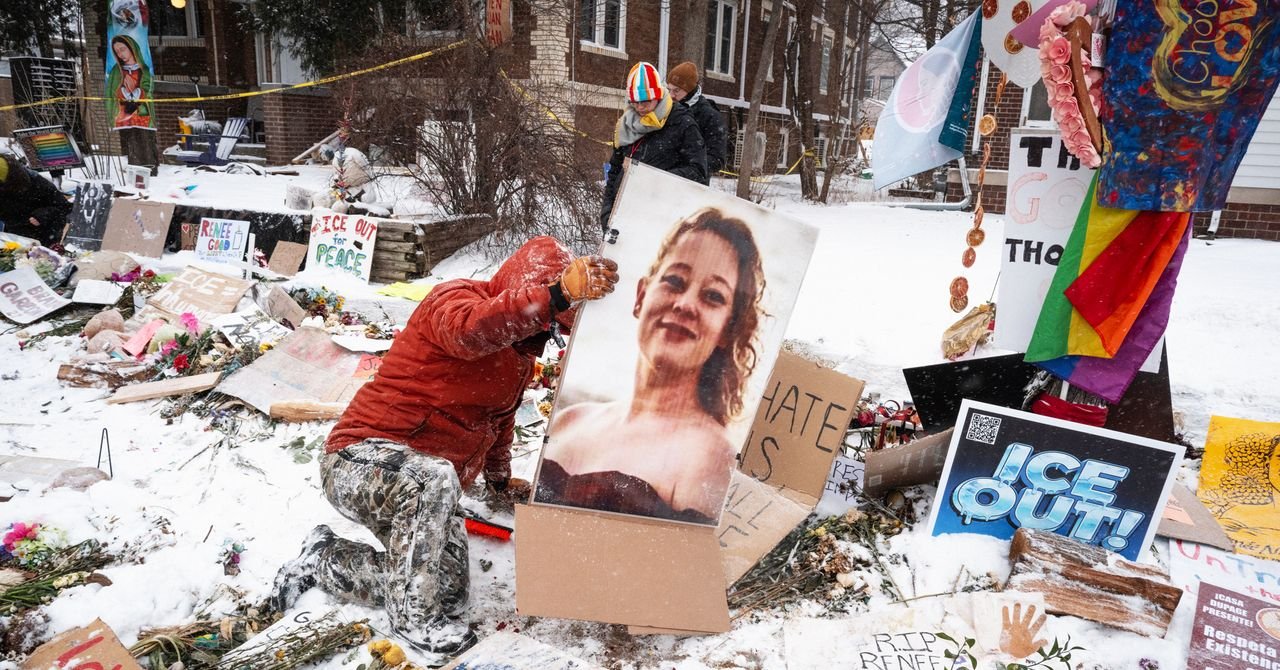
Defense attorneys for a Minnesota man who was convicted in December of assaulting an Immigration and Customs Enforcement officer Jonathan Ross seeking access to investigative files related to the murder of Renee Nicole Goodafter learning that Ross was the same officer who shot and killed him during a targeted operation in Minneapolis last month.
Roberto Carlos Muñoz-Guatemala’s lawyers asked a federal judge on Friday to order prosecutors to turn over training records as well as investigative files related to Ross, the ICE agent who killed Good on Jan. 7 in Operation Metro Surge and was also injured in a June 2025 incident in which Muñoz-Guatemala dragged him with his car.
A separate post-trial motion by the defense, filed in US District Court in Minnesota, asks the judge to suspend deadlines for new trial motions until the discovery motion is resolved.
Muñoz-Guatemala’s lawyers argued that even if the court finally decided that any newly discovered evidence did not give their client the right to a new trial, he had the right to examine if there were mitigating factors that could affect the length of his sentence, such as if Ross’ injuries could, to some degree, be brought to him by his own behavior.
A jury convicted Muñoz-Guatemala on Dec. 10 of assaulting a federal officer with a dangerous weapon and causing bodily harm.
Court filings say Ross and other agents tried to interview Muñoz-Guatemala last summer, and possibly process him for deportation, because he had an administrative warrant for entering the country without permission. They surrounded his Nissan Altima and tried to remove the vehicle. Ross then used a tool to break the driver’s side window before reaching inside. When the defendant sped away, Ross testified, he was dragged approximately 100 yards, during which time he repeatedly fired a taser. Muñoz-Guatemala called 911 to report that she was the victim of an assault.
During his trial, Muñoz-Guatemala said he did not understand that Ross—who according to his own testimony was dressed in ranger green and gray and wore his badge on his belt—was a federal agent. (Ross testified that Muñoz-Guatemala asked to speak to a lawyer, which would suggest he knew Ross was acting as law enforcement, but an FBI agent who witnessed the incident said he did not hear it. According to court records, this claim did not come up in pretrial interviews, and prosecutors said they had not heard it before he tried to make the claim in court in Gu’mala.) after Good’s murder, his defense may have also argued that he was justified in resisting Ross, who they claim was the aggressor and used excessive force.
The argument was that the jury instructions essentially contained a two-pronged decision tree: Jurors could convict Muñoz-Guatemala if they believed he knew Ross was a law enforcement officer. They can also convict him if they believe that walking away is not a reasonable response.
Muñoz-Guatemala’s conviction does not indicate which of these prongs the jury relied on. If it’s the latter, the defense argued in the motion, the court should have access to evidence that could relate to behavior, tactics, and whether he behaved aggressively — information that could indicate whether the agent has a history of acting recklessly in the field or contrary to his training.
Prosecutors have not yet filed a response to the motions. An email to an address associated with Ross in publicly available records did not result in an immediate response. The Department of Justice did not immediately respond to a request for comment. The Department of Homeland Security did not immediately respond to questions about the current status of Ross’ tenure or the status of any investigation into the department.
Ross was placed on administrative leave following the Jan. 7 shooting of Good, a 37-year-old Minnesota poet and mother of three, a move DHS officials say is standard protocol after a deadly use of force. Ross has not been charged in Good’s murder, and the Justice Department has said it will not pursue criminal charges.