itstargetnews
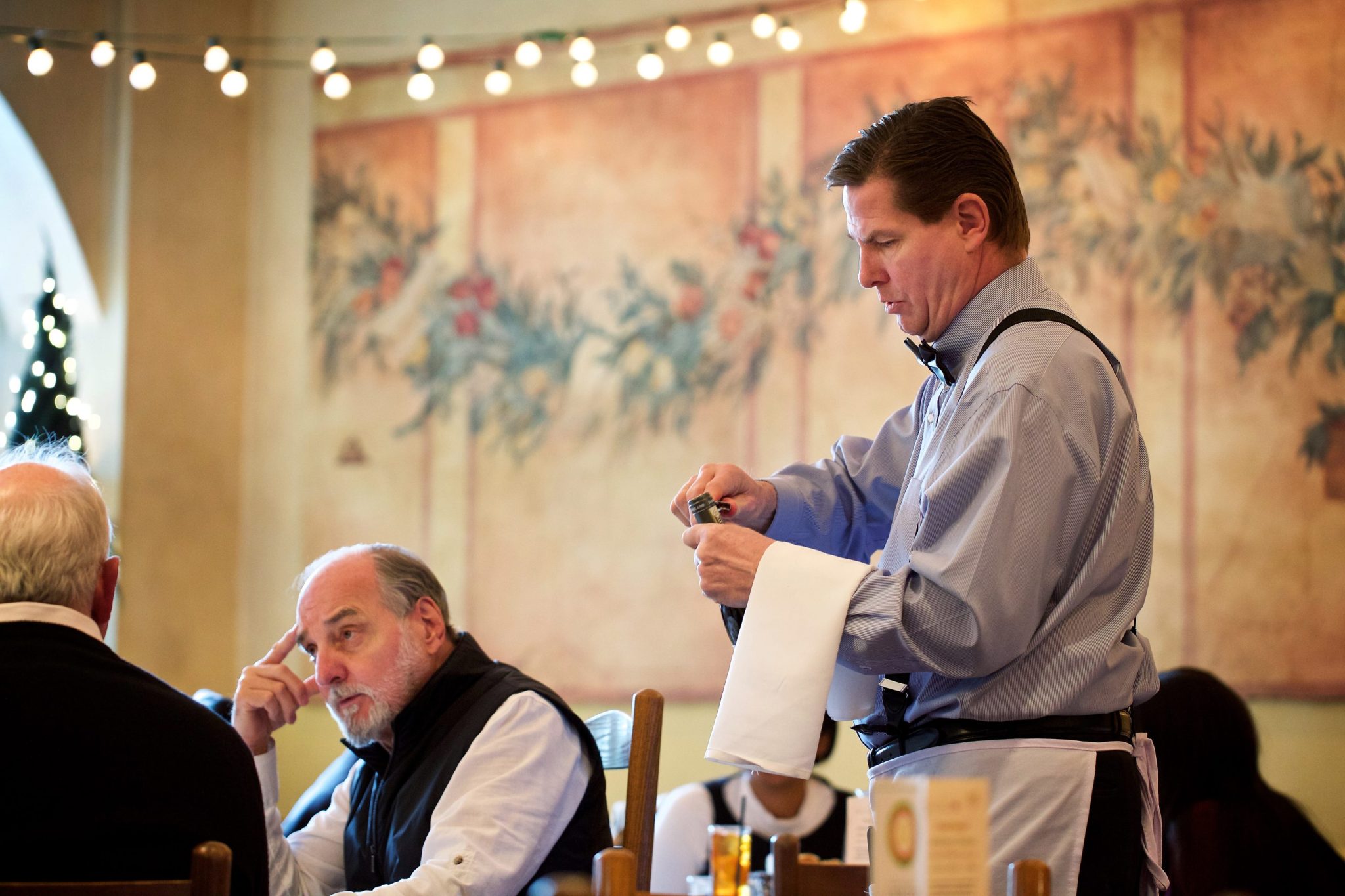
A common belief about tipping culture in America is that it is out of control. Higher overall menu costs, the rise of mandatory service fees in food delivery apps, and the rise of tablet-based transactions mean that tipping prompts are now being seen in situations where tipping would never have been the norm. As someone who works on the team that runs a payment platform that processes thousands of payments every day, I can confirm that this belief is only half true, especially for small businesses.
Tipping fatigue is real, but it doesn’t stop Americans from tipping everything. Our 2025 analysis of 89,068 verified tipping transactions, in all 50 states, shows that Americans are more selective than ever about when and how much to tip.
Hate the impulse, not the practice
The average tip percentage is 15.46%, with everyday categories such as restaurants, fast food, and transportation clustering between 14% and 16%. Meanwhile, relationship-driven services always get a higher percentage. Barbering and beauty services averaged 17%, for example, while miscellaneous personal services, such as handymen, pet care, and tattoo/piercing services, hit 18.3%.
But look at the dollar amount, not just the percentages, and you’ll see that tipping’s economic footprint is actually expanding. The average tip is now $12.44, but specialty services like auto repair often see tips above $20 per interaction. Visible fatigue is the real difference. High quality experiences are rewarded with higher pay.
Small and micro-sized businesses should carefully consider how they encourage customers to tip during the checkout experience. The tip fatigue you often see online isn’t about an internal battle over whether it’s best to tip your restaurant server 15% or 20%. It’s about the self-checkout screen at the ice cream stand that defaults to 20% of a $5 purchase. Or the coffee shop when the barista asks for a gratuity before you take your first sip. Each additional inducement destroys the overall legitimacy of the practice in the minds of customers. Fatigue comes from asking for gratuity in situations where it feels unprofitable or unnecessary.
Generosity versus economic reality
Our tipping analysis also highlights the variation in tipping trends across the country. South Carolina leads the nation with an average tip rate of 20.71%, the only state to exceed 20%. Wisconsin measured 19.15%, followed by Connecticut at 18.43%. But these percentages tell only part of the story.
Connecticut tips average $13.06 in actual dollars, the highest in the nation. Pennsylvania customers pay $12.34 despite a lower 15.26% rate because their total bills are higher.
Narrow down the service categories, and you’ll see real diversity. Relationship-driven services where customers know their provider by name, such as hairdressers or massage therapists, often earn a higher tip percentage. Barbers and beauticians averaged 17% while massage parlors reached 18.3%. People reward personal care and repeat relationships differently than they reward generic checkout prompts.
This split reveals a fundamental point: tip percentage reflects generosity, but tip amount reflects greater economic realities. The Northeast corridor of the country generates the most income for service workers, although these customers are not the most “generous” in percentage. A New York customer who tipped 13.7% still left $10.04. That’s more money than South Carolina’s 20.71% tipper left $9.54.
The hidden transfer of dollars
The biggest changes occurred in categories that historically did not include gratuity, such as auto repair, special personal services, and transportation beyond rideshare. These higher-spending categories have absorbed the tipping culture. The economic footprint is expanding even as the percentage rate remains constant.
This creates new questions for business leaders about pricing, payroll design, and customer experience. If tipping has spread beyond traditional hospitality, how can businesses compensate? When is a gratuity expected rather than optional? What will happen to salary transparency as more industries adopt tip-based compensation?
For micro-businesses and solo traders, this shift is especially important. A mobile beautician who gets 15% tips on an $80 haircut makes more per transaction than a restaurant server who gets 20% on $50 checks. A higher average ticket size fundamentally changes the economy, even if the percentage increase is small.
At JIM, we built our payment platform specifically for these underserved micro-business operators who need simple, affordable ways to get paid. We have seen this two-speed economy emerge firsthand. Partners who succeed build real customer relationships that are worth rewarding.
Why all business owners should trust the service first
If you’re running a service business, stop obsessing over your tip percentages and start asking whether you’re building the kind of relationship customers want to be rewarded with a tip in the first place. Generic transactions get generic tips. Personal service earns a premium gratuity.
Consider removing tipping prompts from transactional moments. That self-checkout screen may generate a small profit, but it poisons the well for businesses where tipping actually reflects quality of service. If you can’t articulate why a service justifies a tip, don’t ask for one.
For higher-ticket services entering the tipping culture for the first time, create compensation models that are not entirely dependent on customer discretion. Gratuity should reward exceptional service, not subsidize inadequate wages. Customers tip more generously when they believe the economy is fair.
Finally, if you accept tips, invest in technologies or platforms that help you get your money faster. The smallest operators cannot afford to wait days for payment. They need access to their earnings immediately to reinvest, pay suppliers, and cover expenses. This operational reality is as important as the tip percentage itself.
America’s tipping culture is becoming increasingly selective, and businesses that understand the difference will thrive in 2026 and beyond.
The opinions expressed in Fortune.com commentary pieces are solely the views of their authors and do not necessarily reflect the opinions and beliefs of luck.