itstargetnews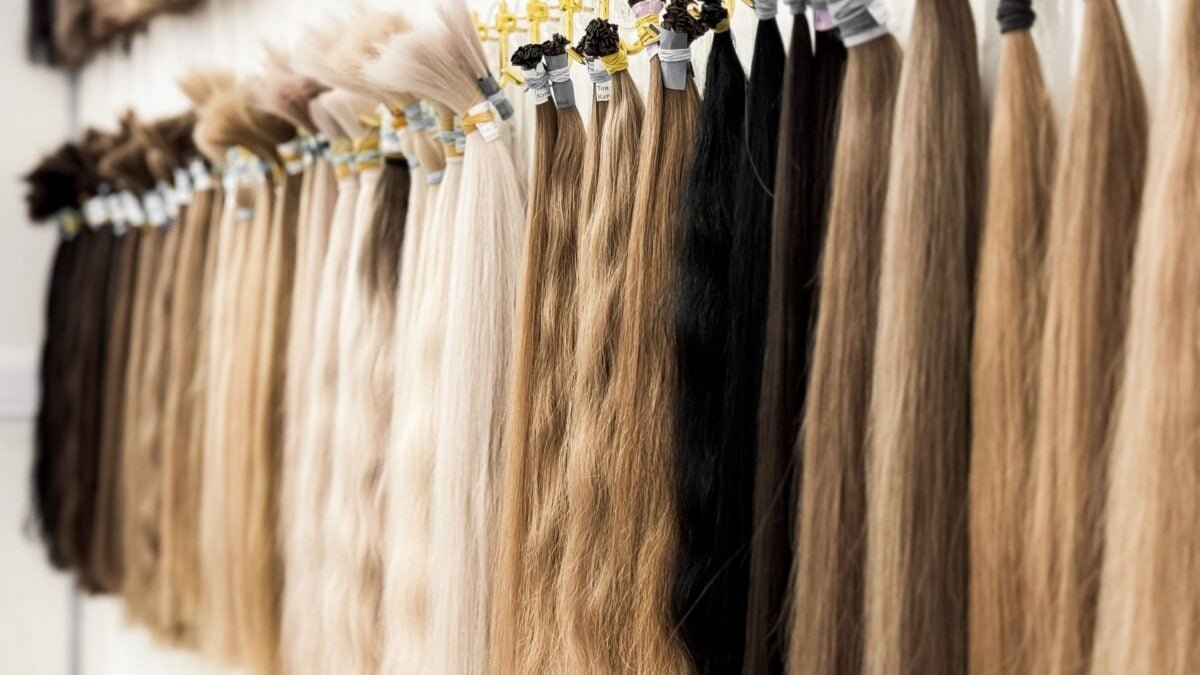

A popular beauty item may be more dangerous than one might think. Research has now found that hair extensions often contain many toxic chemicals that have been linked to cancer and other health problems.
Silent Spring Institute scientists have reviewed several hair extension products. They identify a wide variety of toxins, including some not commonly found in other consumer products. The findings suggest that the safety of hair extensions should be better regulated, the researchers said.
“This is a category of products that flew under the radar, avoided scrutiny for a long time, and there was a lack of regulations around these products,” lead author Elissia Franklin, an analytical chemist at Silent Spring, told Gizmodo.
A hidden danger
The Silent Spring Institute is a nonprofit organization mainly focusing on the study of environmental causes of cancer, especially breast cancer.
Franklin joined the institute in 2021, at the same time as the Silent Spring researchers PUBLISHED A study shows that replacing old sofas with newer ones can reduce people’s exposure to harmful fire retardant chemicals. But flame retardants are used elsewhere, including in hair extensions (especially synthetic ones) — and that made Franklin and his team curious to dig deeper.
“If we’re trying to get flame retardants out of the bedding in our homes, then why is it okay to sell these flame retardants in consumer products?” said Franklin, who used hair extension braids herself. Flame retardants, dyes, and other possible chemicals can be used to make hair extensions fireproof, waterproof, or antimicrobial, researchers point out.
The team tested 43 brands of hair extensions, purchased locally from retailers in Houston, Texas, and also online. Products are selected based on their popularity (either on social media platforms or in online search results), marketing, and whether they make certain claims, such as being waterproof or non-toxic. Importantly, the researchers used a method known as non-target analysis, which allows them to screen for many different chemicals at once.
In the end, they identified at least 48 chemicals labeled as dangerous by other groups, such as California’s Safer Consumer Products program. These include flame retardants, found in synthetic and natural products, and 17 chemicals linked to breast cancer. All but two products contain some amount of toxic chemicals (in particular, these two have “nontoxic” and “toxic-free” labeling), and ten products surprisingly contain a class of tin-based chemicals known as organotins, which are not usually found in products that consumers face.
“We were shocked when we saw that. It’s a category of chemicals used on boats and ships to keep barnacles from sticking. And it’s actually harmful to aquatic life,” Franklin said (because of this, the organotins mostly forbidden for use on ships 25 years ago). Organotins are also linked to skin irritation in humans, which is commonly reported by hair extension users, Franklin said.
The team results are PUBLISHED Wednesday in the journal Environment & Health. They also echo the findings of a Consumer Reports investigation released last year, which found dangerous chemicals in all ten of the most popular synthetic hair extension brands tested.
What to do about hair extensions
Hair extensions are a popular cosmetic product, especially among black women. More than two-thirds of Black women estimated to use hair extensions at least once a year, according to a 2021 study.
Given how widespread the potential toxins are in these products, there needs to be more government oversight and regulation of the companies that make them, Franklin argued. And there is some positive news on that front. Several states, such as New York and New Jersey, are considering legislation that would compel the companies expose all their components or even direct prohibition some. Last summer, several representatives of the US House introduced again the Safer Beauty Bill Package, a series of bills aimed at updating and expanding laws governing the safety of hair extensions and other cosmetic products.
“I think that’s the best plan of action. Because you don’t have to choose between your hairstyle and your health,” said Franklin, who hopes to continue studying these products in his research.
Until these or similar laws are passed, it will be difficult for women to completely avoid toxic exposures from their beauty regimen. That said, researchers have found some evidence that using apple cider vinegar to prewash synthetic hair—a common home remedy—can reduce, if not completely eliminate, tin-based chemicals from products.