itstargetnews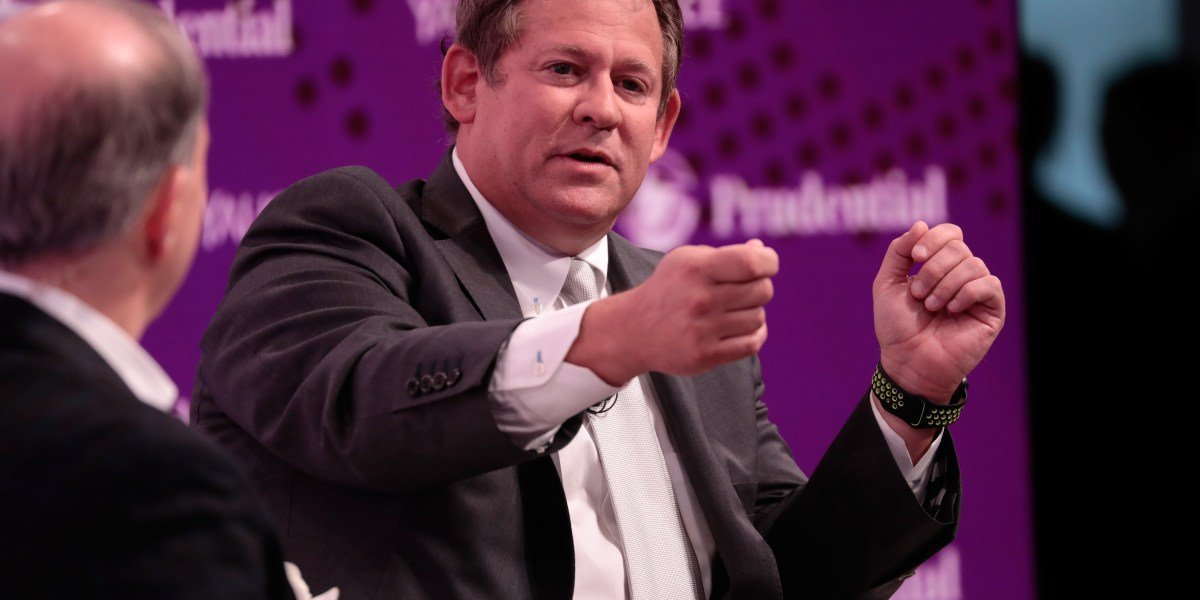
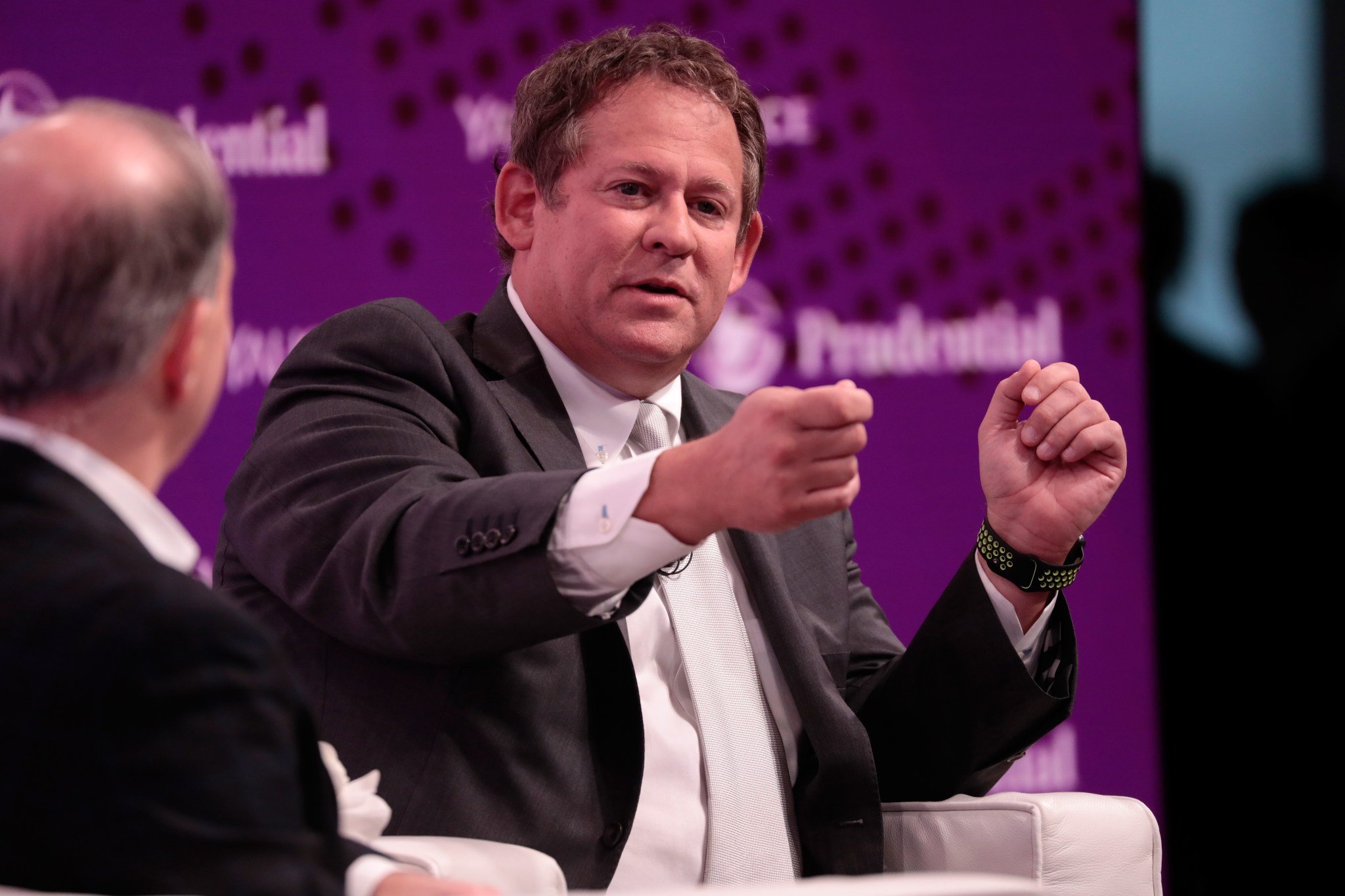
Over the past two weeks, Rick Rieder’s odds at Polymarket on became the next Fed chair surged from the low single digits to nearly 50%, putting the veteran Wall Streeter ahead of the second- and third-place candidates Kevin Warsh (29%) and Christopher Waller (6%). Rieder will bring a unique background to the job. Current chief Jerome Powell is a former lawyer, private equity partner, and Treasury official, while his predecessors Ben Bernanke and Alan Greenspan are PhD economists (the former a professor at Princeton, the latter a consultant and policy adviser). On the contrary, Rieder has spent his career as a hands-on, daily participant in the world’s bond markets, as a trader and asset manager, expert in parsing and profiting from Central Bank announcements.
In simple terms, nobody knows more about the bond market than Rick Rieder. And there’s no bigger deal in Trump’s policy decisions than what makes the bond market boom or tank-witness his renewal of the tariff threat against Europe in Greenland after investors dumped Treasuries and rates rose.
Who is Rick Reider and how did he catch Trump’s eye?
Today, Rieder heads the Global Fixed Income franchise at BlackRockwhich manages a $2.4 trillion portfolio that accounts for one-sixth of the $14 trillion entrusted by the world’s largest asset manager. According to sources interviewed for this story, who chose to speak anonymously, Rieder’s ear-to-the-market approach offers big advantages. “It helps to have someone with skin in the game,” said one prominent quant fund manager. “It would be better to have someone with the humility to lose money through these cycles and let the market dictate, rather than these academic chairs.” A former CEO who worked with Rieder called him “very personable,” and promised that Rieder “knows how the markets work, and can be independent in his judgments.”
Rieder will face a very difficult prospect if he succeeds Mayo. We already know where he stands on the Fed Funds rate future, and he’s in Trump’s camp. In an interview with CNBC on January 12, he said “The Fed should get the rate to 3% (versus 3.50% to 3.75% now). I think that’s closer to balance.” The rub: The Fed has already adopted two policies that promise to put inflation on a higher track. First, in mid-December, the Central Bank reversed its long-term policy of Quantitative Tightening, buying Treasuries to reduce the money supply, curb demand and therefore reduce consumer price increases, and returned to Quantitative Easing. It was QE—buying government bonds at a rate of $40 billion a month using digitally generated trillions—that flooded the economy with so many dollars, and helped fuel the Great Inflation that followed the pandemic. Second, the Fed also reduced the cash cushions that banks must park at the Central Bank as reserves. That move freed up a ton of previously idle deposits for lending on everything from auto loans to data centers.
“Even before the transfers, the inflation genie was out of the bottle,” said Steve Hanke, a professor of applied economics at Johns Hopkins University. “The 10-year Treasury yield is stuck at 4.2% to 4.3%, and the latest CPI reading is 2.7%, well above the Fed’s target of 2.0%. Hanke observed that the combination of QE ramping up the money supply, and the de-tightening that will enable banks to expand their loan books, will plant the roots for more inflation to come. The Fed’s rate cut Funds will add to the weakening regime, making the outlook even worse. But that’s what Rieder recommends.
This is where it gets tricky. Initially, that triple dose of dovish measures will push rates low UNDER—QE does that by artificially increasing the sale of Treasuries (driving prices higher and therefore reducing yields), and the more bank credit there is, the greater the supply and the lower the rates. So in the early days of a Rieder regime, that course would win applause from Trump, and even look good to voters for a while. “But inflation after a lag will roar” because all the extra credit courses through the system, Hanke said, pushing short- and long-term rates higher than current levels.
Going the easy-for-money route can produce dangerous side effects. Financing our $31 trillion debt will be more expensive, and interest costs are already approaching $1 trillion by FY 2025, absorbing one dollar in seven of all federal spending, about two-thirds of which is Medicare. That scenario could send bond vigilantes into the fray against US bonds. “We have never seen such attacks,” said Hanke. “But I notice that a pivot from Treasuries may start internationally. It’s not a big deal so far, but the removal of pension funds in Denmark is a dangerous signal.”
This is where naming a Wall Street pro who is an expert in finding where the building is at risk can prove to be a hedge against future disaster. Rieder has studied the forces that drive the bond market for decades. He may be more willing to see the forces gather, and more willing to make the tough political choices that keep the vigilantes at bay, than the PhD and Treasury officials who have come before.