itstargetnews
By Karen Brettell
NEW YORK (Reuters) – The U.S. dollar rose on Thursday on expectations that the currency would be boosted next year by policies from the incoming Donald Trump administration that are expected to boost growth and inflation.
Trading volumes were light on Thursday, with many holiday traders following Wednesday’s Christmas break and ahead of next week’s New Year holiday.
Looser business regulations and tax cuts are expected to help boost US growth next year, while analysts say a crackdown on illegal immigration and the prospect of new tariffs on trading partners could boost price pressures and weigh on the economy in the long term.
This has boosted the dollar against its peers, although there is still much uncertainty about exactly what policies will be introduced and what their impact will be.
Growing doubts about how many interest rate cuts the Federal Reserve will be able to make next year have added to the dollar’s recovery in recent weeks.
Last week, the U.S. central bank cut rates by 25 basis points as expected and Fed Chairman Jerome Powell said further reductions in borrowing costs now depended on further progress in reducing ‘stubbornly high inflation.
Fed policymakers raised their inflation projections for 2025 and cut their interest rate forecast to 50 basis points for the year from 100 basis points.
Money market traders are pricing in 35 basis points of cuts next year, implying they see less than a 50% chance the Fed will make a second 25 basis point cut.
Data on Thursday showed the number of Americans filing new claims for jobless benefits fell to the lowest level in a month last week, in line with a cooling US labor market but still healthy
U.S. retail sales also rose 3.8% between Nov. 1 and Dec. 24 as heavy promotion to boost sales in what was expected to be a highly competitive holiday season for retailers it led to last-minute shopping among consumers.
The dollar index rose 0.13% to 108.25. It remains just below the two-year high of 108.54 reached on Friday.
The euro fell 0.06% to $1.0398. The single currency fell to $1.03435 on Friday, the lowest since November 22.
The greenback gained 0.31% to 157.89 Japanese yen. It hit a high of 157.93 on Friday, the highest since July 17.
The Bank of Japan expects the economy to come closer to sustainably reaching the central bank’s 2 percent inflation target next year, Governor Kazuo Ueda said on Wednesday, suggesting that the time for the their next increase in interest rates.
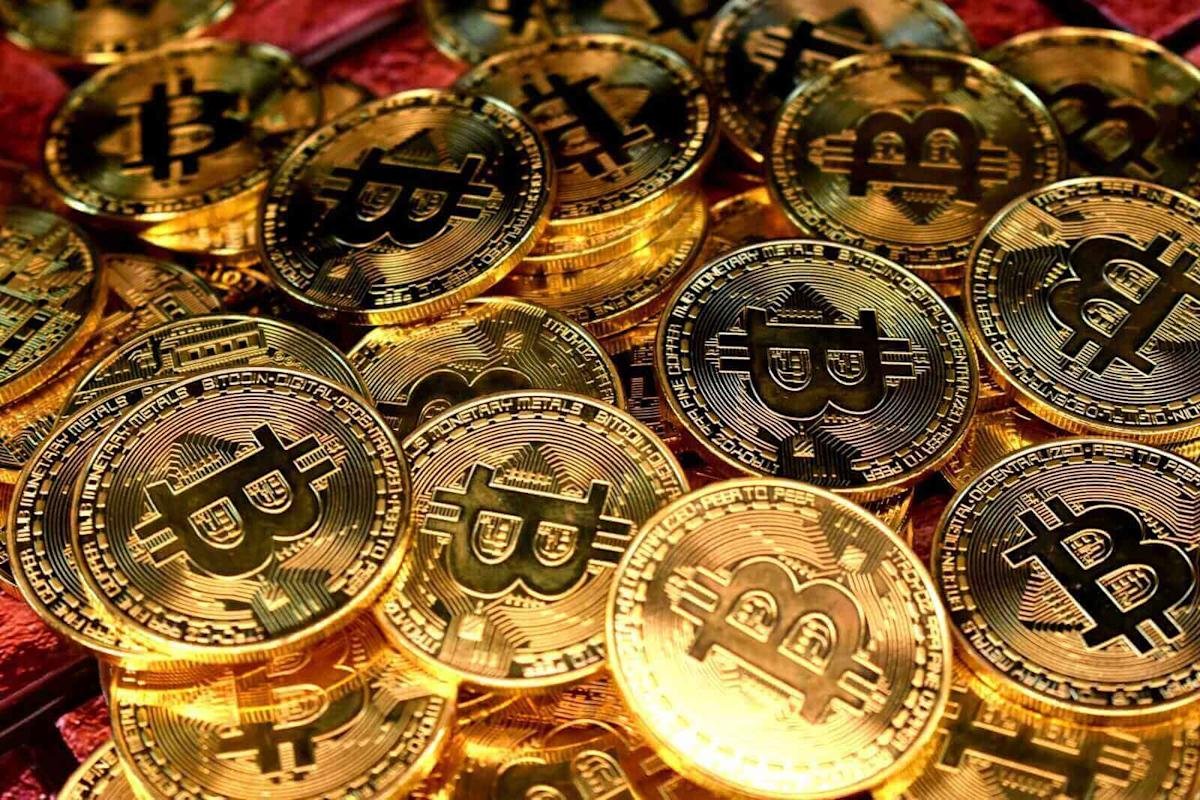
In cryptocurrencies, bitcoin fell 2.78% to $95,688.00.
(Reporting by Karen Brettell; Editing by Alistair Bell)