Trending News:Veracyte at the Raymond James Conference: Strong Growth and Future PlansApple’s new Studio displays with Thunderbolt 5Pirates player Paul Skenes talks to Team USA at World Baseball ClassicGulf countries respond to Iran’s “reckless and indiscriminate” attacksArmanino expands Southeast reach with addition of MSTillerDavies must give up Birmingham starClient ChallengePennsylvania regulator imposes fines on casinos totaling $112,500, while expanding list of gambling exclusionsSouth Africa vs New Zealand Semi Final Preview, TV Channel, Live Online Stream, Team News and PredictionMiddle East supply concerns send natural gas and LNG prices soaringIran war disrupts air traffic, tens of thousands stranded in Gulf region – NationalMost and least shorted healthcare stocks with a market cap of up to $2 billion in FebruarySouth Africa vs New Zealand Preview – Semi-final 1: Free Live Streaming, Previews and Weather Report, Head to Head5 IYO SKY’s WrestleMania 42 Directions After Breaking Up with Rhea RipleyExclusive: CrowdStrike and SentinelOne veterans raise $34M to address AI business governance gapApple unveils M5 Pro and M5 Max chips, with new, faster ‘super cores’Howe admits Newcastle are in an ‘unusual’ phase ahead of the Manchester United meetingMafia boss behind Italy’s notorious murders dies in Milan jailGermany has sharply increased defense spending. In Europe, this worries some people.Strait of Hormuz closed: For India, foreign trade and oil imports remain a key concernICC Women’s ODI Rankings: Smriti Mandhana and Alana King top the listRyan Reynolds and Rob Mack to commentate exclusively on Wrexham v Swansea for Sky Sports | Football NewsForm 4 Eos Energy Enterprises Inc For: 3 MarchViewing Extinction: Sub-$500 Computers in Danger, According to Report“The President of the United States has the power to act against imminent threats to the United States” | Al JazeeraWar is spreading in the Middle East with 11 countries targeted by IranYou are overexposed to Wall Street. Use their promotion to rebalance without writing a new check.Nottingham Forest and Spurs keen on Robin RiiseClient ChallengeTomb of the Dragon Emperor’Satellite images show Iranian ruins before and after damage from US-Israeli air strikesIran attacks US embassy in Saudi Arabia as war escalates – NationalHoneywell Aerospace will debut as a standalone company in the third quarterAiden Markram fires warning shot to New Zealand ahead of T20 WC semi-final“The bigger wicket now is Harry Brooke”Visa to expand card partnership with Stripe’s Bridge to more than 100 countriesReview of Shark UV Reveal (2026): UV Light ModeMexican drug lord ‘El Mencho’ buried in golden coffinThe US and Israel attacked Iranian security agencies that helped crush the protestsWest Asia flight suspension: Air India faces 40% hit, IndiGo 20%, SpiceJet also hit, HSBC reportTrainer Robert Garcia predicts Mayweather vs Pacquiao 2: ‘He’s got enough to win’Premier League club finances: What did we learn from the accounts of Arsenal, Chelsea, Liverpool, Manchester United, Tottenham and West Ham? |Football NewsDA Davidson reiterates Buy on Target stock, citing margin beatLine-ups, stats and previews including TV, live streams, team news and Premier League predictionsAnalysis – Trump’s foreign policy message in a nutshell: ‘We can reach you’ | Donald Trump NewsIn Japan, support for the death penalty remains highChinese automakers are strengthening their presence in Southeast AsiaNot Harry Brooke! Sunil Gavaskar picks Will Jacks as threat for India in T20 WC semi-finalsWhy investing in cybersecurity just became a ‘must’ for CFOsCrystal Palace could hire ‘one of the best young managers in Europe’Charlie Brown now works for SonyKawhi Leonard backs Darius Garland for the NBA All-Defensive TeamBilly Idol admits to taking crack cocaine to kick heroin addictionAmericans urged to leave 14 Middle East countries over war with Iran ‘due to serious security risks’Arcutis enrolls first patient in ARQ-234 atopic dermatitis trialTarget beats profit outlook, sees sales growth return in 2026Shahid Afridi slams Pakistan’s next potential captain amid leadership crisis debate after 2026 T20 World Cup exitWhen will the matches be announced?Best Home Security Cameras with Floodlights in 2026: Smart and Bright100 days to fight with war, civil unrest and the issue of funding for InfantinoOpenAI changes deal with U.S. military after backlashAn emboldened Israel seizes the opportunity to remake the regionPizzagate and UFOs in the Republicans’ questions for the Clintons are EpsteinOil and gas fields take 15 years to come online now: ReportAberdeen manager search: Sandro Schwarz on job in Eirik Horneland deal for troubled Pittodrie Mixed Football NewsAstronomers Estimate the Lifespan of Alien Civilizations, and It’s Not Good for Us2026 FIFA World Cup ticket rush unfolds amid global turmoil 2026 World Cup NewsWar in the Middle East: Iran’s Broad Retaliation in the GulfMedline shares fell 4.4% as major investors launched a secondary offeringA $10,000 investment in this S&P 500 ETF 20 years ago is worth more than most Americans have in retirement savingsWill Jacks be ruled out of the T20 World Cup semi-final against India?Leeds United go all out to sign £40,000-a-week star AmpaduThe Best Ergonomic Keyboard I’ve Tried (and Other Comfortable Typing Options)Line-ups, stats and previews including TV, live streams, team news and Premier League predictionsEx-Obama adviser warns Trump in New York Times article that Iran attacks ‘could’ kill civiliansTrump administration drops legal battle to impose executive order on 4 law firmsUnderstanding Anthropic’s fight with the Pentagon—and the OpenAI opportunityPinterest Secures $1 Billion Investment From Elliott; stocks jumpJarrell Miller says Wardley vs. Dubois fight ended in KO: ‘He’s been hurt a lot’Cristiano Ronaldo’s private jet leaves Saudi Arabia after US embassy in Riyadh attacked during clashes: reportHow Giannis Antetokounmpo plans to ‘find an identity’ after missing 15 NBA games through injuryAs war with Iran escalates, EU struggles to make its voice heardCrocodile found by boy lurking in stream near family home, 1,200 miles from its tropical habitatHoneywell files Form 10 for aerospace unit spinoffHormuz risk may push India back to Russian oilVirat Kohli’s RCB denied full home advantage in IPL 2026; Chinnaswamy gets just 5 runsCaptain Brook’s Insight: ‘I want to make it as uncomfortable as possible for the batsmen’Apple’s big week kicks off with the iPhone 17eT20 World Cup squad stranded in India amid Middle East travel chaos | ICC Cricket World Cup NewsWhen Trump meets Germany’s Merz, Iran will likely dominate the discussionJamie Dimon: Iran not enough to be inflationary ‘skunk at party’India’s Pine Labs Target Foreign Markets in Stablecoin Push: ReportSunil Gavaskar believes two players will be game-changers in India’s 2026 T20 World Cup semi-final against EnglandTottenham lodge complaint to Premier League over Guglielmo Vicario videoAstro Bot’s Latest PS5 Adventure is almost 50% off at Walmart TodayIllinois enacts reparations legislation for black residentsThe Council of the House of Representatives of the US Congress published the statements of Clinton EpsteinRussia has raised alarm over the impact of the conflict on Iran’s Bushehr nuclear plantAutoZone GAAP EPS of $27.63 Beats by $0.34, Revenue of $4.27M Misses by $40MHow to obtain, unit overview, etc.
Trending News:Veracyte at the Raymond James Conference: Strong Growth and Future PlansApple’s new Studio displays with Thunderbolt 5Pirates player Paul Skenes talks to Team USA at World Baseball ClassicGulf countries respond to Iran’s “reckless and indiscriminate” attacksArmanino expands Southeast reach with addition of MSTillerDavies must give up Birmingham starClient ChallengePennsylvania regulator imposes fines on casinos totaling $112,500, while expanding list of gambling exclusionsSouth Africa vs New Zealand Semi Final Preview, TV Channel, Live Online Stream, Team News and PredictionMiddle East supply concerns send natural gas and LNG prices soaringIran war disrupts air traffic, tens of thousands stranded in Gulf region – NationalMost and least shorted healthcare stocks with a market cap of up to $2 billion in FebruarySouth Africa vs New Zealand Preview – Semi-final 1: Free Live Streaming, Previews and Weather Report, Head to Head5 IYO SKY’s WrestleMania 42 Directions After Breaking Up with Rhea RipleyExclusive: CrowdStrike and SentinelOne veterans raise $34M to address AI business governance gapApple unveils M5 Pro and M5 Max chips, with new, faster ‘super cores’Howe admits Newcastle are in an ‘unusual’ phase ahead of the Manchester United meetingMafia boss behind Italy’s notorious murders dies in Milan jailGermany has sharply increased defense spending. In Europe, this worries some people.Strait of Hormuz closed: For India, foreign trade and oil imports remain a key concernICC Women’s ODI Rankings: Smriti Mandhana and Alana King top the listRyan Reynolds and Rob Mack to commentate exclusively on Wrexham v Swansea for Sky Sports | Football NewsForm 4 Eos Energy Enterprises Inc For: 3 MarchViewing Extinction: Sub-$500 Computers in Danger, According to Report“The President of the United States has the power to act against imminent threats to the United States” | Al JazeeraWar is spreading in the Middle East with 11 countries targeted by IranYou are overexposed to Wall Street. Use their promotion to rebalance without writing a new check.Nottingham Forest and Spurs keen on Robin RiiseClient ChallengeTomb of the Dragon Emperor’Satellite images show Iranian ruins before and after damage from US-Israeli air strikesIran attacks US embassy in Saudi Arabia as war escalates – NationalHoneywell Aerospace will debut as a standalone company in the third quarterAiden Markram fires warning shot to New Zealand ahead of T20 WC semi-final“The bigger wicket now is Harry Brooke”Visa to expand card partnership with Stripe’s Bridge to more than 100 countriesReview of Shark UV Reveal (2026): UV Light ModeMexican drug lord ‘El Mencho’ buried in golden coffinThe US and Israel attacked Iranian security agencies that helped crush the protestsWest Asia flight suspension: Air India faces 40% hit, IndiGo 20%, SpiceJet also hit, HSBC reportTrainer Robert Garcia predicts Mayweather vs Pacquiao 2: ‘He’s got enough to win’Premier League club finances: What did we learn from the accounts of Arsenal, Chelsea, Liverpool, Manchester United, Tottenham and West Ham? |Football NewsDA Davidson reiterates Buy on Target stock, citing margin beatLine-ups, stats and previews including TV, live streams, team news and Premier League predictionsAnalysis – Trump’s foreign policy message in a nutshell: ‘We can reach you’ | Donald Trump NewsIn Japan, support for the death penalty remains highChinese automakers are strengthening their presence in Southeast AsiaNot Harry Brooke! Sunil Gavaskar picks Will Jacks as threat for India in T20 WC semi-finalsWhy investing in cybersecurity just became a ‘must’ for CFOsCrystal Palace could hire ‘one of the best young managers in Europe’Charlie Brown now works for SonyKawhi Leonard backs Darius Garland for the NBA All-Defensive TeamBilly Idol admits to taking crack cocaine to kick heroin addictionAmericans urged to leave 14 Middle East countries over war with Iran ‘due to serious security risks’Arcutis enrolls first patient in ARQ-234 atopic dermatitis trialTarget beats profit outlook, sees sales growth return in 2026Shahid Afridi slams Pakistan’s next potential captain amid leadership crisis debate after 2026 T20 World Cup exitWhen will the matches be announced?Best Home Security Cameras with Floodlights in 2026: Smart and Bright100 days to fight with war, civil unrest and the issue of funding for InfantinoOpenAI changes deal with U.S. military after backlashAn emboldened Israel seizes the opportunity to remake the regionPizzagate and UFOs in the Republicans’ questions for the Clintons are EpsteinOil and gas fields take 15 years to come online now: ReportAberdeen manager search: Sandro Schwarz on job in Eirik Horneland deal for troubled Pittodrie Mixed Football NewsAstronomers Estimate the Lifespan of Alien Civilizations, and It’s Not Good for Us2026 FIFA World Cup ticket rush unfolds amid global turmoil 2026 World Cup NewsWar in the Middle East: Iran’s Broad Retaliation in the GulfMedline shares fell 4.4% as major investors launched a secondary offeringA $10,000 investment in this S&P 500 ETF 20 years ago is worth more than most Americans have in retirement savingsWill Jacks be ruled out of the T20 World Cup semi-final against India?Leeds United go all out to sign £40,000-a-week star AmpaduThe Best Ergonomic Keyboard I’ve Tried (and Other Comfortable Typing Options)Line-ups, stats and previews including TV, live streams, team news and Premier League predictionsEx-Obama adviser warns Trump in New York Times article that Iran attacks ‘could’ kill civiliansTrump administration drops legal battle to impose executive order on 4 law firmsUnderstanding Anthropic’s fight with the Pentagon—and the OpenAI opportunityPinterest Secures $1 Billion Investment From Elliott; stocks jumpJarrell Miller says Wardley vs. Dubois fight ended in KO: ‘He’s been hurt a lot’Cristiano Ronaldo’s private jet leaves Saudi Arabia after US embassy in Riyadh attacked during clashes: reportHow Giannis Antetokounmpo plans to ‘find an identity’ after missing 15 NBA games through injuryAs war with Iran escalates, EU struggles to make its voice heardCrocodile found by boy lurking in stream near family home, 1,200 miles from its tropical habitatHoneywell files Form 10 for aerospace unit spinoffHormuz risk may push India back to Russian oilVirat Kohli’s RCB denied full home advantage in IPL 2026; Chinnaswamy gets just 5 runsCaptain Brook’s Insight: ‘I want to make it as uncomfortable as possible for the batsmen’Apple’s big week kicks off with the iPhone 17eT20 World Cup squad stranded in India amid Middle East travel chaos | ICC Cricket World Cup NewsWhen Trump meets Germany’s Merz, Iran will likely dominate the discussionJamie Dimon: Iran not enough to be inflationary ‘skunk at party’India’s Pine Labs Target Foreign Markets in Stablecoin Push: ReportSunil Gavaskar believes two players will be game-changers in India’s 2026 T20 World Cup semi-final against EnglandTottenham lodge complaint to Premier League over Guglielmo Vicario videoAstro Bot’s Latest PS5 Adventure is almost 50% off at Walmart TodayIllinois enacts reparations legislation for black residentsThe Council of the House of Representatives of the US Congress published the statements of Clinton EpsteinRussia has raised alarm over the impact of the conflict on Iran’s Bushehr nuclear plantAutoZone GAAP EPS of $27.63 Beats by $0.34, Revenue of $4.27M Misses by $40MHow to obtain, unit overview, etc.
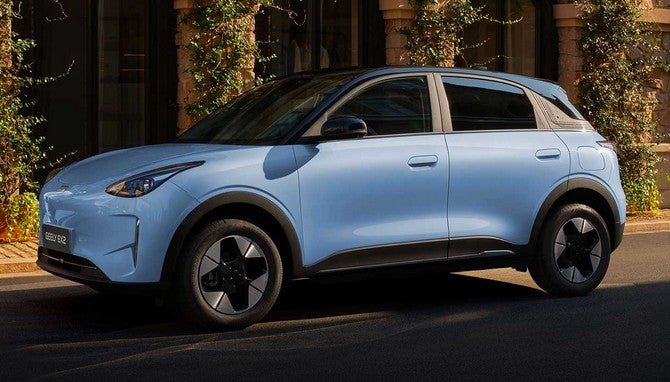
Chinese carmakers posted strong sales growth in Southeast Asia last year, with their combined deliveries in Thailand, Indonesia, Malaysia and the Philippines rising 95 percent to more than 377,450 units from 193,510 in 2024, according to preliminary data released by local industry sources.
Overall sales in these four markets were slightly lower at 2.71 million units in 2025, meaning Chinese automakers doubled their combined share of the region’s markets last year to 14% from 7% in 2024, mainly at the expense of underperforming Japanese automakers such as Honda, Nissan and Daihatsu.
While Thailand was the third largest market in Southeast Asia last year, it was the largest market for Chinese brands with more than 140,000 sales, accounting for 23% of total vehicle sales. Indonesia was the second largest market in the region for Chinese automakers with over 128,000 sales and a 16% market share, followed by Malaysia with 59,990 units (7%) and the Philippines with 48,960 units (11%).
These market shares only include vehicles sold under Chinese brands and do not reflect partnerships between domestic brands and Chinese automakers, including Malaysia’s Proton, which produces a significant number of vehicles based on platform technologies derived from its 49.9% Chinese shareholder Zhejiang Geely Holding Group, and partnerships on a smaller scale, such as between Indonesia’s Hartono Istana Electronic (Polytron) and China’s Skyworth Automobile and also between Thailand’s Energy Absolute (EA) and EVE Energy/Sunwoda Mobility.
The strong growth seen in the region by Chinese brands last year has been driven by increased demand for battery electric vehicles (BEVs), a segment that Chinese automakers have come to dominate globally in recent years. BEV sales in the four markets surveyed rose 105% to approximately 264,000 units last year, sales in Thailand rose 80% to more than 120,000 units, followed by Indonesia with 143% growth to nearly 107,000 units, Malaysia at 30,850 units and +890% from the Philippines. (+90%). Chinese automakers accounted for roughly 90% of those sales.
Demand for BEVs in the region has been boosted by generous government incentives, such as tax rebates for consumers and investment incentives for vehicle manufacturers, which have encouraged a growing number of Chinese brands to enter these markets and localize production as they face sluggish demand and fierce competition in their home market. Although some markets in the region reduced some BEV incentives in early 2026, even for cumulative imports, most Chinese vehicle manufacturers have established strong dealer networks in the region and have already localized vehicle production.
The top three automotive groups accounted for nearly 76% of Chinese vehicle sales in the four countries surveyed last year, or about 285,880 units. These include BYD, Chery and SAIC Motor. Over the past year, manufacturers have launched a significant number of new locally manufactured models, including a significant number of low-cost entry-level models, which has helped improve affordability and boost demand.
BYD and its sub-brand Denza were by far the largest Chinese automotive group in the ASEAN region last year, with sales in the four markets rising 146% to nearly 140,000 units last year. Indonesia was its biggest market in the region, with sales up almost fourfold to 54,248 units, all of which were BEVs, followed by Thailand, with sales up 58% to 44,440 units. In the Philippines, deliveries increased sixfold to 26,120 units, following the launch of sales operations in 2024. Last year, the company strengthened its product range with the more affordable Atto 1 small BEV model.
SAIC engine was the second best-selling Chinese carmaker in the region after a 37% increase in sales to 74,230 units, which includes BEVs, hybrids and ICEs sold under its MG, Maxus and Wuling brands. The company’s biggest market in the region is Indonesia, with sales from its SAIC-GM-Wuling joint venture up 52% to 33,425 units and 2,300 more units sold under the MG/Maxus brands. In Thailand, the company sold just over 27,000 vehicles under its MG brand, with nearly 11,000 units sold in Malaysia and the Philippines combined.
Cherry was the third largest Chinese carmaker in the region, after sales of its Chery, Omoda, Jetour and Jaecoo brands combined doubled last year to 71,680 units. The company’s biggest market was Malaysia, where its sales rose 70% to 33,460 units, accounting for nearly half of its regional sales. In Indonesia, deliveries rose 153% to just over 23,000 units, while in Thailand and the Philippines sales tripled to just over 15,000 units combined.
Other key players posting strong growth in the region include Great Wall Motors (GWM), with sales up 180% to over 26,000 units, and GAC Group with a 136% increase to nearly 23,000 units.
“Chinese automakers strengthen presence in Southeast Asia” was originally created and published by Automatic onlya trademark owned by GlobalData.
The information on this site has been included in good faith for general informational purposes only. It is not intended to be advice on which you should rely, and we make no representations, warranties or guarantees, either express or implied, as to its accuracy or completeness. You should obtain professional or specialist advice before taking or refraining from any action based on the content of our site.
Armanino expands Southeast reach with addition of MSTiller
US accounting and consulting practice Armanino has expanded its network by adding Southeast-focused operator MSTiller ( MST ) to its organization. Founded in 1956, MST works with mid-market companies, family…
 itstargetnews