itstargetnews
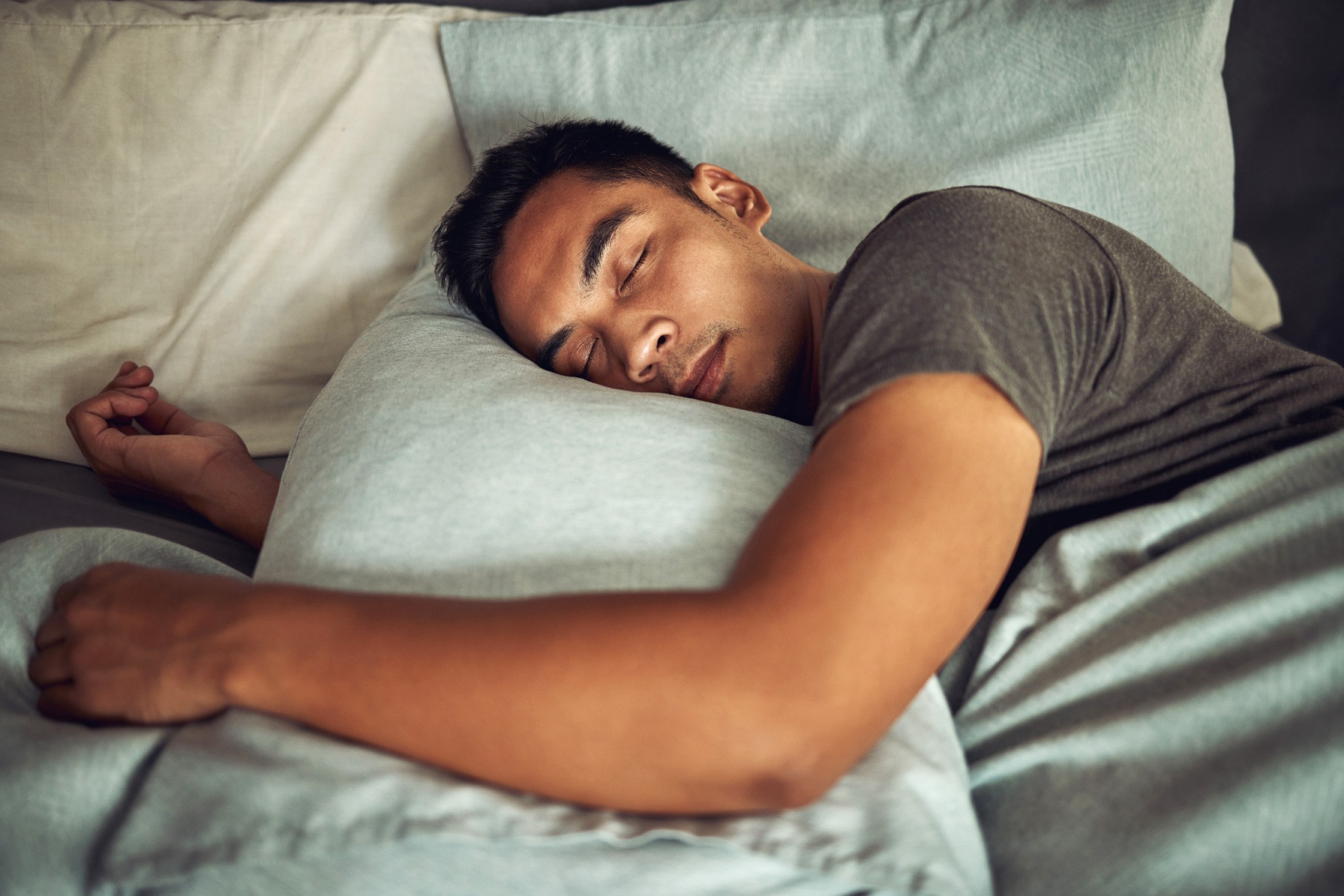
Better sleep can be the solution for everything from adding years to your life for better health and wellness. According to research presented by the American Heart Association’s Epidemiology, Prevention, Lifestyle and Cardiometabolic Health Scientific Sessions 2023 in Boston earlier this week, people who reported regular, uninterrupted sleep were better at sticking to exercise and diet plans while trying to lose weight.
“Focusing on getting a good night’s sleep—seven to nine hours a night with a regular wake-up time along with waking up refreshed and alert throughout the day—may be an important behavior that helps people stick to their physical activity and dietary change goals,” said Christopher E. Kline, Ph.D., an associate professor in the department of health and human development at the University of Pittsburgh, in a press release about studying. “A previous study of ours reported that better sleep health was associated with a greater loss of body weight and fat among participants in a one-year, behavioral weight loss program.”
To inform their findings, the researchers examined whether good sleep health Related to how well people followed various lifestyle changes in a 12-month weight loss program included 125 adults with an average age of 50 years. Almost all participants were female, 81% were white and all met criteria for being overweight or obese, according to their body mass index.
What is “good sleep”
The researchers measured the sleep habits of the participants at the start of the program, at six months and then at 12 months through patient questionnaires, a sleep diary and seven-day readings from a device worn on their wrists that tracks sleep, waking activity and rest.
Participants received a score of “good” or “poor” based on six measures of sleep:
- Regularity
- Satisfaction
- Alertness
- timing
- Efficiency (the percentage of time spent in bed when actually asleep)
- Duration
A score of 0-6 was then calculated for each participant, with one point added for each “good” measure of sleep health. Participants had an average sleep health score of 4.5 out of 6 at the start of the study, at 6 months and at 12 months.
The researchers found that better sleep health was associated with “higher attendance at interval group sessions, adherence to calorie intake goals and increased time spent doing moderate-intensity physical activity,” according to the study.
“We hypothesized that sleep would be related to lifestyle change; however, we did not expect to see an association between sleep health and all three of our measures of lifestyle change,” Kline said. “Although we did not intervene in sleep health in this study, these results suggest that optimizing sleep may lead to better adherence to lifestyle change.”
However, researchers are not sure whether weight gain improves sleep health and whether good sleep should be recommended before trying to lose weight.
“It remains unclear whether it’s best to optimize sleep before trying to lose weight,” Kline said. “In other words, should clinicians tell their patients to focus on getting better and more regular sleep before they start trying to lose weight, or should they try to improve their sleep while at the same time changing their diet and activity levels?”
Health benefits of good sleep
Sleep is closely tied to heart health and by 2022, it will be added as the eighth component of American Heart Association’s Essentials of Life 8. Other components include eating a healthy diet, being physically active, not smoking, getting enough sleep, maintaining a healthy weight and controlling cholesterol, blood sugar and blood pressure levels. Try investing in one of our best mattresses for heavier people to help sleep better and improve heart health.
Cardiovascular disease was listed as the cause of 928,741 deaths in the US in 2020 and claims more lives each year than all forms of cancer and chronic lower respiratory disease combined, according to the 2023 Statistical Update from the American Heart Association.
“There are over 100 studies that link sleep to weight gain and obesity, but this is a great example that shows how sleep is not just tied to weight itself, it’s tied to the things we do to help manage our own weight,” said Dr. Michael A. Grandner, director of the Sleep and Health Research Program at the University of Arizona and co-author of the Association’sential Life’s cardiovascular score 8 E. “This can be because sleep affects things that drive hunger and cravings, your metabolism and your ability to regulate metabolism and the ability to make healthy choices in general. “Studies like this show that all these things, and sometimes sleep is the thing that can be connected we can control that can help open doors to other ways to health.”
Learn how to navigate and build trust in your business with The Trust Factor, a weekly newsletter that examines what leaders need to succeed. Sign up here.