itstargetnews
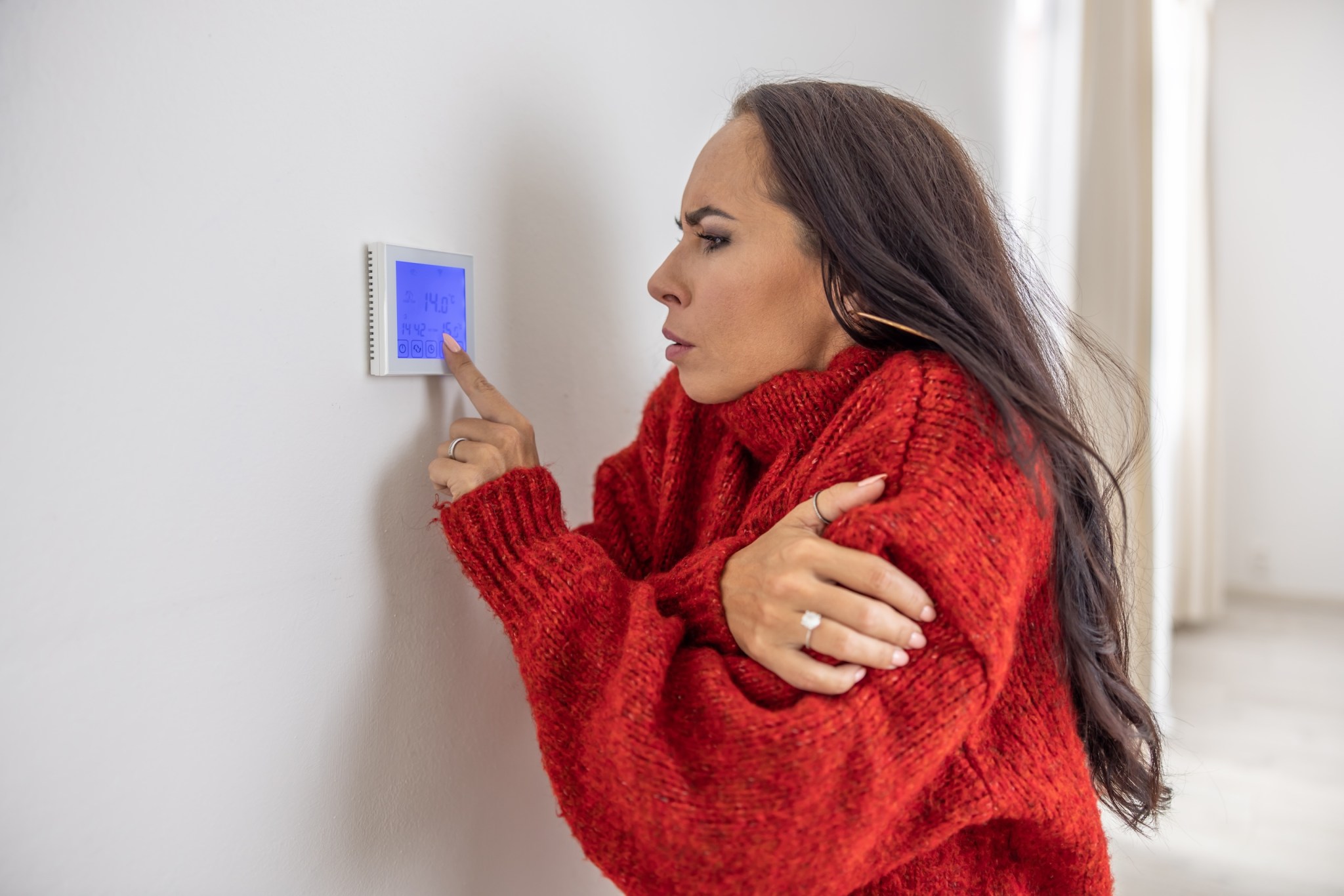
Americans are entering another brutal winter paying more for power than ever before, and the cold has only exacerbated a trend this year: Electricity is getting more and more expensive structurally.
Even as overall inflation cools, utility bills are rising: The retail price of household electricity has risen 21% in just three years. After an Arctic freeze and a historically cold winter in much of the US, people are posting shockingly high bills on Reddit, Nextdoor, and TikTok.
In addition to colder temperatures requiring more power to heat homes, an aging grid, a backlash in fuel prices, and an intergenerational investment cycle are hitting consumers hard.
How much is the average rate going up?
The price of electricity itself has risen dramatically since the pandemic, and the monthly bill has followed suit.
Consumer advocates estimate that residential electricity costs will increase almost 30% for many households starting in 2021 once rate increases, fees, and fuel adjustments are rolled out.
The average price of electricity in the US increases from about 13.66 cents per kilowatt-hour in 2021 to 15.04 cents in 2022, 16.00 cents in 2023, and 16.48 cents in 2024, according to federal data.It is estimated that a 21% increase in the retail price of household power in just three years.that For a typical householdthe average monthly electric bill increases from about $121 in 2021 to $137 in 2022, $138 in 2023, and $144 in 2024.
Why sticker shock feels worse in the winter
The latest cold snap is exposing how vulnerable household budgets are to changes in the weather.
- Electric heat demand: Millions of homes rely on electric resistance heaters or heat pumps; both will see usage increase during prolonged subfreezing periods, translating into higher per-kilowatt-hour prices and larger bills.
- Peak-period fuel use: Grid operators rely heavily on natural gas plants to meet winter peaks, and gas-fired generation has hit new records in recent cold snaps, raising wholesale prices and capacity charges that trickle down to retail prices over time.
- Surcharges and trackers: Many utilities now recoup volatile fuel and storm recovery costs through automatic riders on customer bills, so the impact of a winter storm can show up months later as a semipermanent bump in line items.that
The combination means that households not only pay more per unit of electricity; they also use it more during lean times, when each additional kilowatt-hour is priced at a premium.
Panic and anger on social media
On Reddit, a user in the r/homeowners group IMPARTED that their electric bill in Pittsburgh tops $800. Others weigh in on their experiences, and suggest making changes to save money.
“Everyone should shower more quickly, don’t leave the hot water on, and lower the heat to 68 and wear clothes and warm pajamas and use a blanket at night,” one comment advised.
On TikTok, user MamaSelena shared that her January electric bill in Ohio was $1,013, which cut into her grocery budget. He contacted local representatives in hopes that they would advocate for lower costs, and encouraged others to do the same.
Structural drivers behind higher electricity costs
Although this winter has been mild, the forces pushing electricity costs higher are still in place.
- Gasoline price volatility and gas dependence
Natural gas remains a minor fuel for much of the U.S. electricity system, and changes in its price — from the post-pandemic run-up to the recent decline — have trickled down to retail electricity prices. Gas-fired plants are also shouldering more of the burden as coal and some nuclear units retire, increasing the system’s exposure to gas price shocks. - Aging infrastructure and grid investment
Utilities are spending a lot to replace old transmission lines, harden poles and wires against storms, and add advanced metering and control systems. Those costs go to the rate base and have been collected from customers for decades, reflecting higher distribution and transmission fees.that - Energy transfer costs
While wind and solar have low operating costs, integrating more intermittent generation requires backup capacity, new transmission, and grid balancing services. Analysts have pointed to increases in capacity market payments and other reliability payments as a growing part of the bill, as distributed plants are paid to operate when wind and solar output declines. - Extreme weather and spending power
Utilities and regulators are responding to wildfire seasons, polar vortices, and heat domes by investing in resilience—undergrounding lines, advanced protection systems, expanded tree-trimming, and passing costs on to customers. Winter reliability mandates and reserve margins also encourage more investment in infrequent peaker plants, whose fixed costs are spread among ratepayers.
Over time, structural pressures matter more for bills than any given month’s fuel price.
Will it get worse from here?
Most experts do not expect electricity to become cheaper in real terms in the next few years, and some see another phase in prices with the arrival of new sources of demand.
- Baseline upward drift: Historically, US electricity prices have risen faster than overall inflation—about 2.8% per year over the past quarter-century—and in recent years even more so.
- New load from electrification and data centers: Electric vehicles, electrification construction, and rising data center demand for AI and cloud computing are all expected to push electricity consumption higher, especially in some regions. Meeting that demand requires more generation and more wires, both of which lead to capital costs captured through rates.
- Ongoing grid and transition spending: Analysts project that electricity prices could rise another double-digit percentage in the coming years as utilities and developers build cleaner generation and the transmission to connect it.
If natural gas prices remain relatively low and new renewables quickly come online, some regions will see periods of flat or even slight declines in wholesale prices. But the broader picture points to higher all-in bills for consumers—especially in weather-stressed markets where new capacity, resilience projects, and climate-driven investments are moving the fastest.
For households looking at winter statements, that means that painful bills this season are less of an aberration than an early glimpse of a more expensive electricity season, where the volatility of a higher baseline has become the new normal.
For this story, luck used generative AI to help with an initial draft. An editor verifies the accuracy of the information before publication.