itstargetnews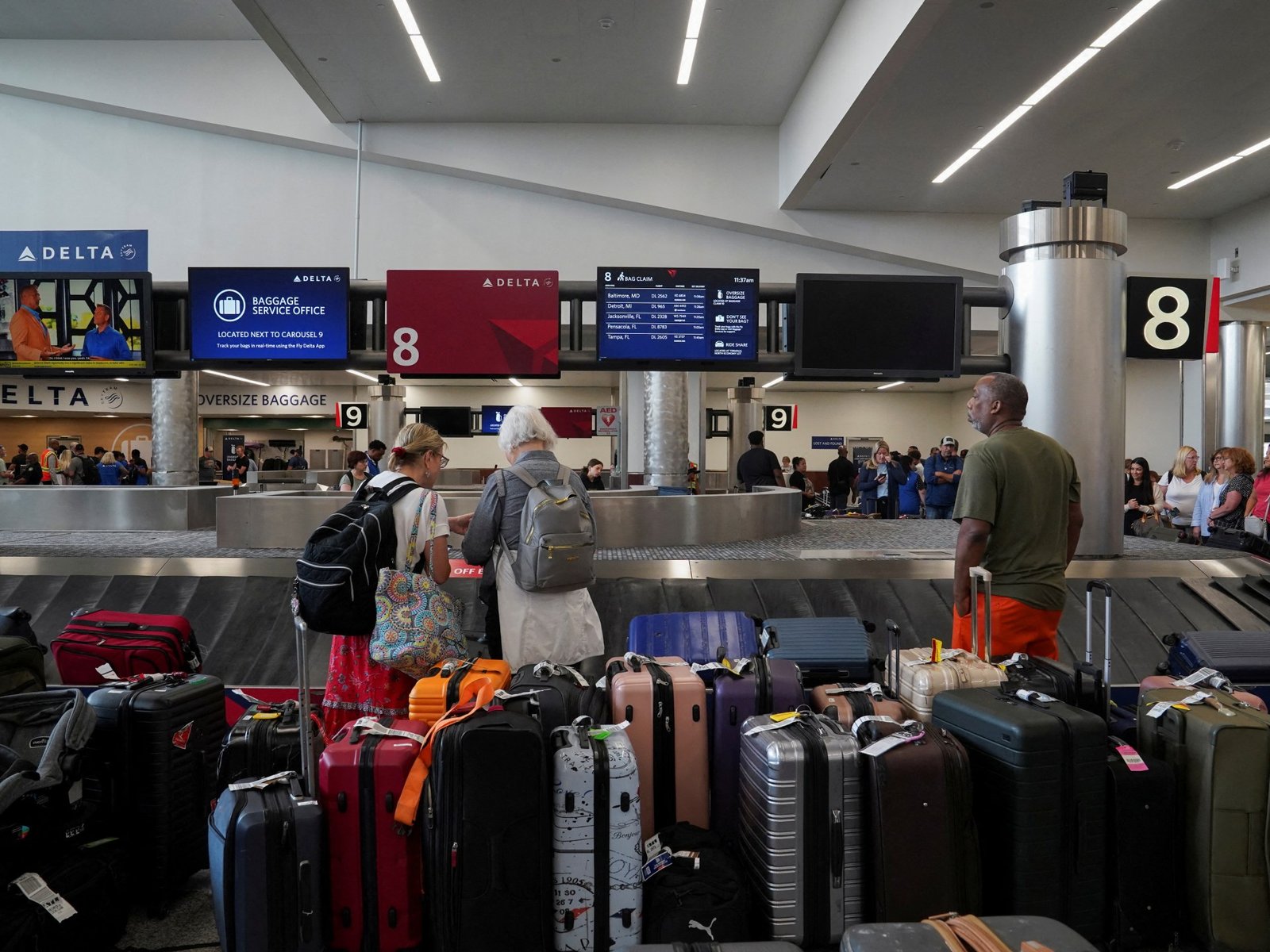
Airports leverage passenger flow, baggage tracking and predictive maintenance technologies to improve efficiency and experience.
Posted on January 29, 2026
Global air passenger traffic is expected to reach 10.2 billion by 2026, a year-on-year increase of 3.9%, so significant investments are being made to improve airport infrastructure and operational efficiency, and to use artificial intelligence to achieve this goal.
According to data released by Airports Council International,Airports rely on the continued use of artificial intelligence to cope with increased demand.
Recommended Stories
3 item listend of list
Artificial intelligence is now being embedded into airport workflows to reshape everything from passenger flow management to airside maintenance, cybersecurity, baggage loss and enhancing the customer experience onsite and virtually, analysts and experts said at the Airport Artificial Intelligence Exchange event this month as they discussed the technology’s existing uses and its potential.
Using AI analytics to predict congestion at security, immigration and boarding points can also help prevent delays. Resources are being allocated to move from reactive crowd management to predictive operations.
AI-driven baggage optimization tools and biometric processing (which allows passengers to pass through immigration without presenting a physical passport) are also gaining traction as airports seek to improve passenger experience while maintaining operational efficiencies.
“Artificial intelligence started changing rapidly in 2017, sparking the whole race to get to the point where we can actually use artificial intelligence, the neural networks we’ve been talking about and hearing about since the 1940s,” said Amad Malik, chief artificial intelligence officer at Airport AI Exchange.
“The progress has been very, very steep since then. If you look at the curve from day one to now, AI is capable of doing a lot more. In the last two years alone, that capability has grown exponentially.”
What is the purpose of using artificial intelligence at airports?
Analysts say that in addition to speeding up immigration controls, AI can help with automated check-in and boarding, baggage handling and tracking, and predictive maintenance. It also enhances the passenger experience, providingsecurity screening and provide pPersonalized service and assistance, they say.
Mahmood AlSeddiqi, former vice president of IT at Bahrain Airports Company, said AI-powered analytics could enable airports to tailor services and experiences to travelers’ personal preferences, thereby facilitating a more personalized and efficient journey from check-in to boarding.
While insights shared by the Airport AI Exchange show that AI has advanced at an exponential rate over the past few years, some believe the aviation industry’s adoption of the technology remains relatively limited.
“Artificial intelligence has made exponential progress over the past few years, but the use of AI in aviation remains negligible compared to that curve,” Malik said.Part of the reason for this gap is the industry’s reliance on legacy systems and its inherently cautious operating model.
He said many of the technologies that still underpin aviation operations date back decades, and the safety-critical nature of the industry tends to slow innovation.
“When you’re dealing with people’s lives, safety and regulation are more important than speed of innovation,” Malik noted.