itstargetnews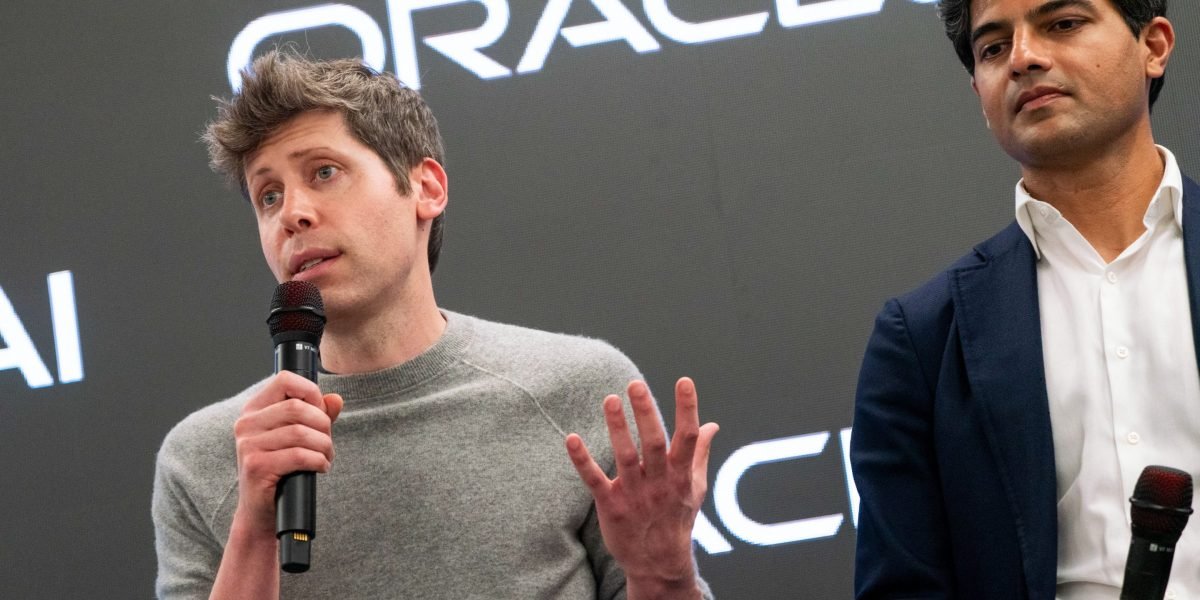
OpenAI is reportedly racing towards a fourth quarter 2026 initial public offering that will test how much investors believe in the AI boom.
The AI lab has begun informal talks with Wall Street banks and is hiring new financial executives to prepare for the listing, according to a report from The Wall Street Journal. But while the company is now worth $500 billion, it says it doesn’t expect to make a profit until 2030.
The timing of OpenAI’s IPO also comes as some investors are beginning to question whether generative AI can deliver returns that justify the trillions poured into the sector. Despite the hype around ChatGPT and similar tools, concerns are growing that AI companies may struggle to make enough money from their technology to cover their huge infrastructure costs.
OpenAI may be considering an IPO before the end of the year in part to exit the public market ahead of its rival Anthropic, according to The Journal reporting. Anthropic is quickly gaining business customers and has told investors it could break even by 2028, two years ahead of OpenAI. The thinking may be that this faster path to profitability will make Anthropic more attractive to investors. But by going public markets first, OpenAI could capture the largest share of the pent-up demand for pure AI investment, especially among retail investors.
So far, except for the AI chip company Nvidia and some of the so-called neocloud companies like CoreWeave, there are relatively few pure-play AI companies in the public market. Most of the ways to play the AI boom come from investing in hyperscalers, such as Alphabet and Microsoftwith longstanding advertising, cloud and software businesses, where their AI offerings are intertwined.
The report that OpenAI may bring its IPO this year also highlights the almost incomprehensible amount of money that AI companies are burning as they rush to build massive data centers in which to train and run their AI models. OpenAI has reportedly committed to $1.4 trillion worth of data center spending by 2033. Although the company has raised about $64 billion so far and is currently valued at about $500 billion, OpenAI is in the midst of a massive fundraising push that could reach its peak in 2026, with the company reportedly looking for to raise another $100 billion at an $830 billion valuation. An IPO is likely to be on top of this round of funding, not a replacement for it.
OpenAI isn’t the first unprofitable company to go public. Amazonfor example, remained unprofitable for years after its 1997 IPO, posting losses throughout its early public life as it prioritized growth and market share. However, unlike Amazon at the time of its IPO, OpenAI is burning billions of dollars every year. Investment bank HSBC projects OpenAI will face a $207 billion funding shortfall by 2030—the gap between what it makes and what it needs to spend—despite earning up to $213 billion in revenue in the past.
If OpenAI can successfully IPO while burning billions and projecting losses until 2030, it’s a sign that the AI boom has room to work. However, if investors balk—if the IPO stumbles or is repressed—it will signal that the market has finally reached its tolerance threshold for hype over fundamentals.
The war for talent could also push OpenAI to an early IPO. An impending public offering could help OpenAI retain employees who might be tempted to leave — few want to walk when their shares are about to vest and become liquid. The prospect of going public can also attract new talent in the pre-IPO period, as future employees may receive shares that they can sell after the listing.
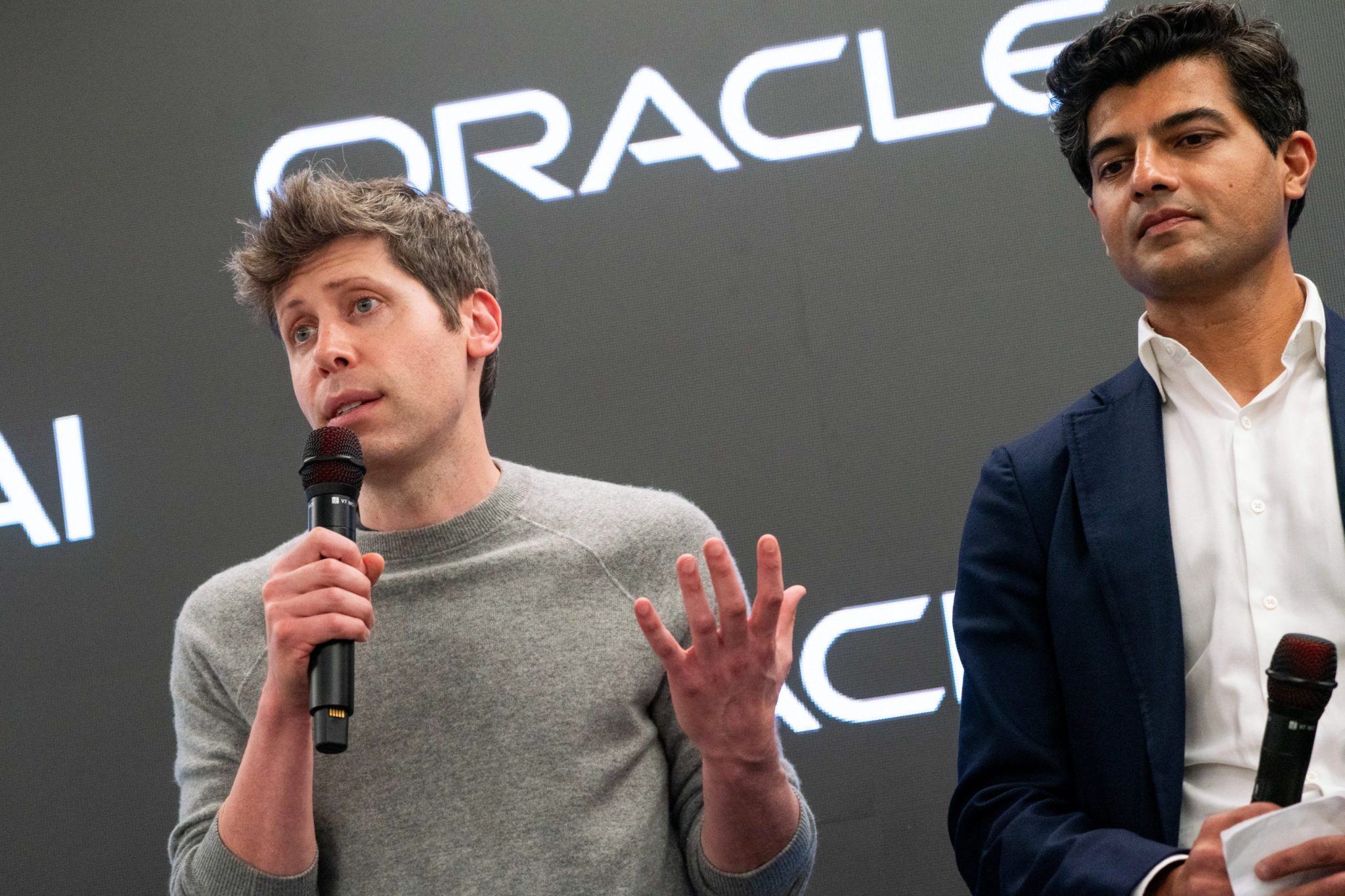
There are risks in going public. Going public would require OpenAI to disclose more about its financial situation and cash burn. Shareholders also want to see quarterly results, something that could complicate OpenAI’s mission to develop “safe, useful AI.” Even CEO Sam Altman says he’s “not excited” about the prospect of becoming a CEO of a public company.
It may also need to disclose more to the public about the risks associated with its products. The company has faced lawsuits and pressure from regulators over the allegations psychological damage because of its chatbot.
Once public, OpenAI’s compensation packages will also be less attractive in some ways – new employees will receive stock options rather than pre-IPO equity, and the options may or may not prove valuable depending on the company’s post-IPO performance and stock price performance.
This story was originally featured on Fortune.com