itstargetnews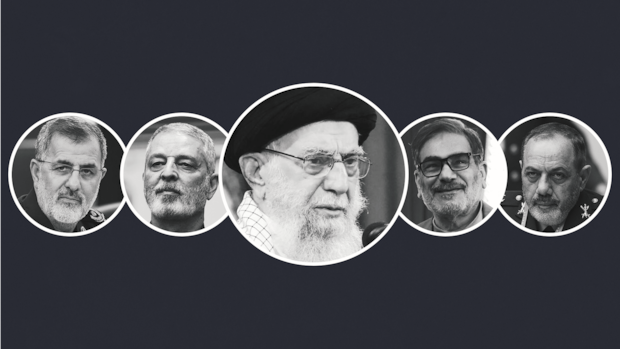

Listen to this article
Estimated 2 minutes
The audio version of this article was generated using artificial intelligence-based technology. Mistakes in pronunciation may occur. We work with our partners to constantly review and improve results.
After the joint US and Israeli attacks on Iran last weekend, the Iranian regime will undergo significant changes. After the death of Supreme Leader Ali Khamenei was confirmed, along with several senior military commanders, the question remains as to who could lead the country next after his 36-year reign.
Iran’s regime is a notoriously complex web of deliberative bodies, with power flowing from the supreme leader, who sets national policy, appoints the heads of the armed forces and oversees the president. The Supreme Leader is elected by Iran’s so-called Assembly of Experts, a body of 88 elected jurists who, in theory, supervise the Supreme Leader, although it is unclear whether they ever performed any significant checks.
After Khamenei’s death, the country is currently led by a three-person leadership: President Masoud Pezeshkian, Chief Justice Gholam-Hossein Mohseni-Ejei and Guardian Council member Ayatollah Alireza Arafi.
Asked on Tuesday who would step into Iran’s new leadership, US President Donald Trump suggested that “someone from inside” the Iranian regime could be the best choice to take over after the end of the US-Israeli campaign.
The coordinated attacks came two days after the latest round of US-Iranian talks aimed at curbing Tehran’s nuclear program.
Here is a detailed look at the hierarchy of the Iranian regime, showing which key figures have been removed and who remains to manage the power vacuum.