itstargetnews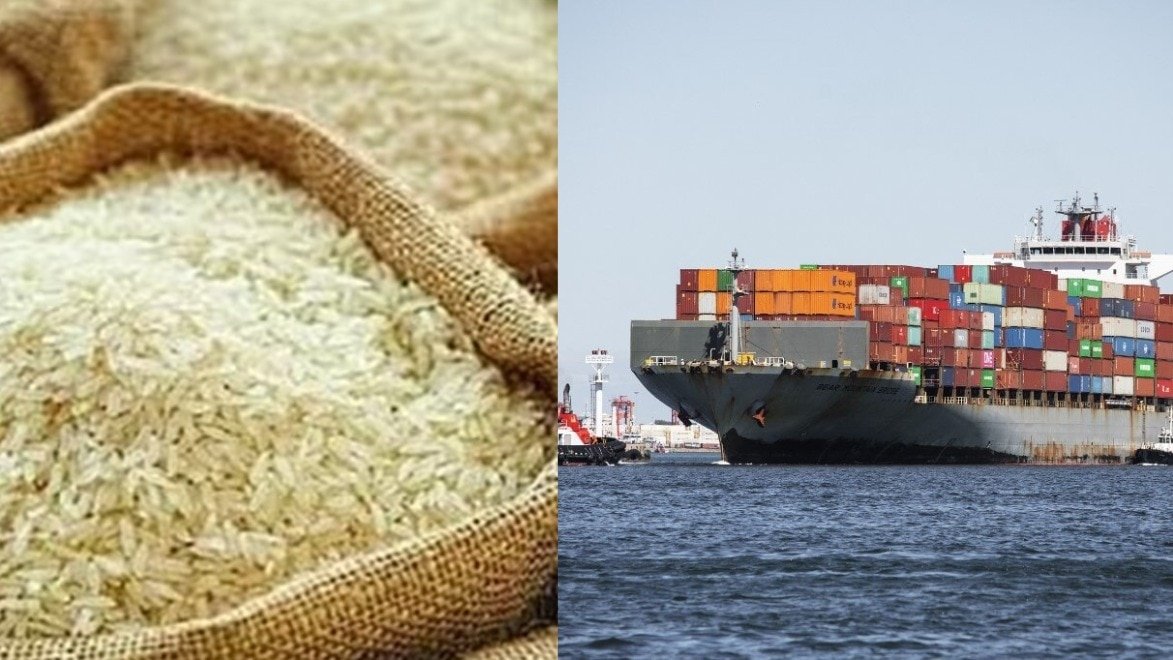
About 400,000 metric tons of basmati rice from India are stuck in transit as the Iran conflict disrupts shipping routes to the Middle East and pushes up transportation costs, Reuters reported on Tuesday, citing trade officials. Export deals have dried up since the weekend strikes and container shipping rates have more than doubled.
Read also: Not China or India, this Asian country faces the highest risk from the closure of Hormuz
India is the world’s largest exporter of premium basmati rice. Buyers from the Middle East, including Saudi Arabia, Iran and the United Arab Emirates, account for more than half of its shipments.
Read also: Beyond the Strait of Hormuz: How the China-Iran Rail System Countered the US Threat
“Around 200,000 tonnes of basmati rice is stuck in transit and an equal amount is stuck in Indian ports as the war has disrupted shipping routes across the Middle East,” Satish Goel, president of the Indian Rice Exporters Association (AIREA), told Reuters.
Exporters had already moved stocks to ports, but are unable to ship to the Middle East because of rising container shipping costs, and no alternative market can absorb the volume, the association’s chief said.
On Monday, Iran’s Islamic Revolutionary Guard Corps closed the Strait of Hormuz to maritime traffic and warned that any ship trying to pass through would be set on fire, according to Iranian state media.
The Strait of Hormuz is one of the world’s most critical maritime corridors, serving as the main maritime gateway between the Persian Gulf and global sea lanes. A significant portion of commercial cargo, including energy shipments and container traffic bound for Asia, moves through this narrow passage.
The United Arab Emirates, including Dubai, lies just outside the strait, making it a key transshipment hub for trade with the Middle East. Although Saudi Arabia and the United Arab Emirates operate limited pipeline routes that bypass the waterway for oil, most cargo ships moving through the Strait of Hormuz, including container ships, have no practical alternative route if the strait is disrupted, according to the US Energy Information Administration.
Tankers and container ships are avoiding the waterway as insurers cancel coverage for ships, while global shipping rates have risen.
Exporters are not accepting new orders from the Middle East and are prioritizing shipments under existing contracts, a New Delhi-based distributor with a global trading house told the news agency.
India’s rice exports typically exceed the combined total shipped by the world’s next three largest exporters: Thailand, Vietnam and Pakistan.