itstargetnews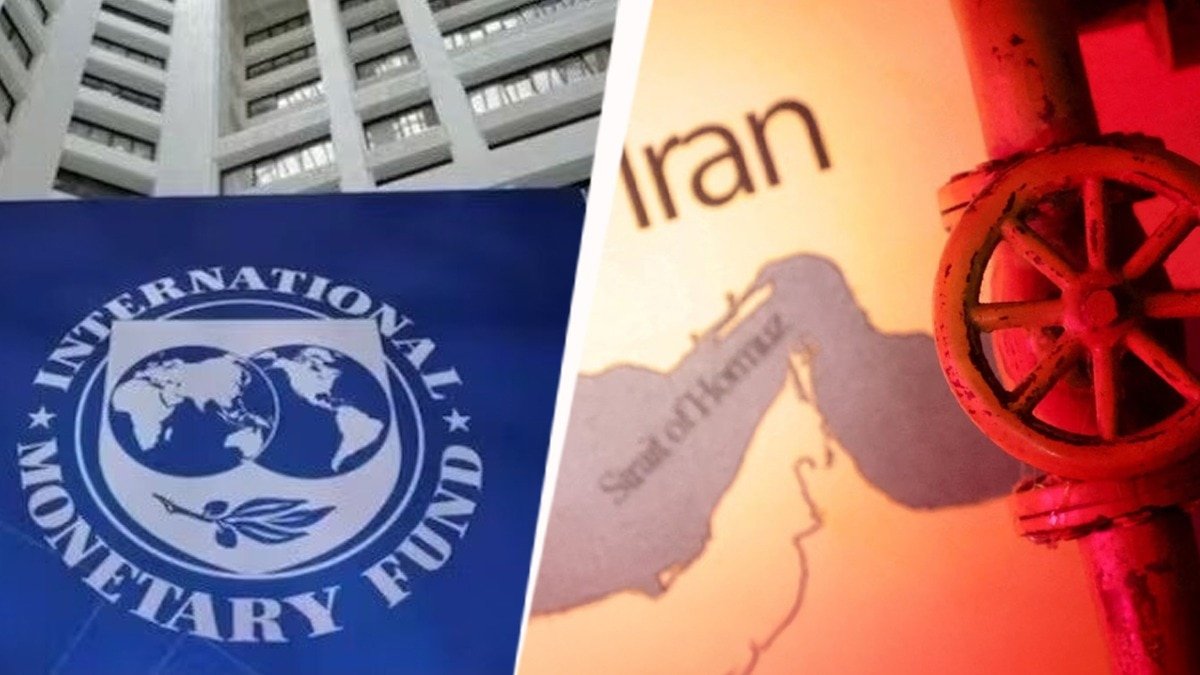
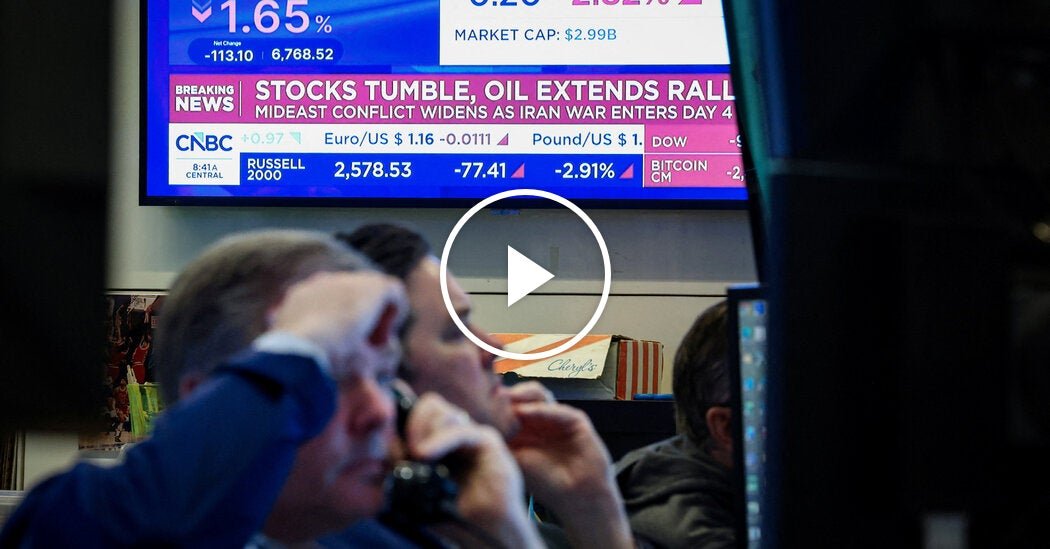
The International Monetary Fund (IMF) said on Tuesday it was too early to assess the economic consequences of the escalating war involving Iran, warning that trade disruptions, rising energy prices and financial market volatility were adding to global uncertainty.
Read also: Hormuz risk may push India back to Russian oil
“We are closely monitoring developments in the Middle East. So far, we have observed disruptions in trade and economic activity, increases in energy prices and volatility in financial markets,” the IMF said in a statement.
Read also: Beyond the Strait of Hormuz: How the China-Iran Rail System Countered the US Threat
“The situation remains very fluid and adds to an already uncertain global economic environment. It is too early to assess the economic impact on the region and the global economy. This impact will depend on the scope and duration of the conflict,” the world agency said.
Read also: Strait of Hormuz closed: For India, foreign trade and oil imports remain a key concern
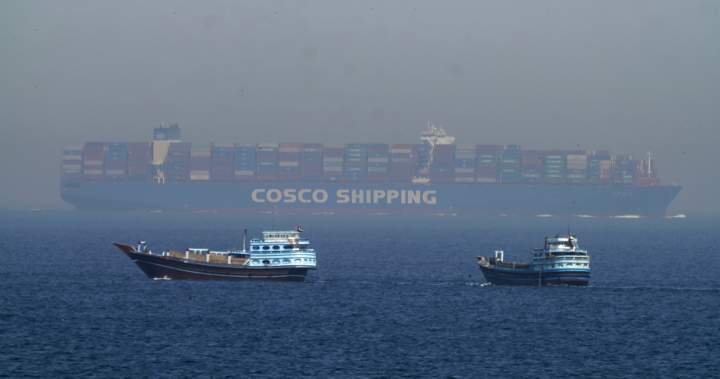
The conflict entered its fourth day on Tuesday. Iran announced the closure of the Strait of Hormuz, a key shipping route for global energy supplies. A senior official in Iran’s Revolutionary Guards said on Monday that the Strait of Hormuz is closed and Iran will fire on any ships that try to pass through.
“The strait (of Hormuz) is closed. If anyone tries to pass, the heroes of the Revolutionary Guard and the regular navy will set these ships on fire,” said Ebrahim Jabari, a senior adviser to the Guard’s commander-in-chief.
The strait is the world’s most vital oil export route, connecting major Gulf producers such as Saudi Arabia, Iran, Iraq and the United Arab Emirates to the Gulf of Oman and the Arabian Sea.
Reuters reported on Tuesday that global oil and gas prices rose as the US-Israel war against Iran halted exports from parts of the Middle East. Tehran attacked ships and energy facilities, shutting down shipping in the Gulf and forcing a shutdown of Qatari production in Iraq.
Oil prices are up more than 15% since Friday. The benchmark Brent crude contract gained 6% on Tuesday above $82 a barrel, the highest level since July 2024. European gas prices rose 40%, adding to a 40% increase on Monday. Sugar, fertilizer and soybean prices have also risen.
The Middle East accounts for just under a third of global oil production and almost a fifth of natural gas production.
Traffic through the Strait of Hormuz remained at a standstill for a fourth day after Iran attacked five ships, blocking a route that handles about 20 percent of the world’s oil and gas supplies.
On Tuesday, a fuel tank at the commercial port of Duqm in Oman was hit and a fire broke out in the oil hub of Fujairah in the United Arab Emirates. On Monday, Qatar shut down its liquefied natural gas facilities, which supply about 20% of global LNG exports. Saudi Arabia suspended production at its largest domestic refinery, while Israel and Iraq’s Kurdistan region also halted some of their gas and oil output.
(With contributions from Reuters)