itstargetnews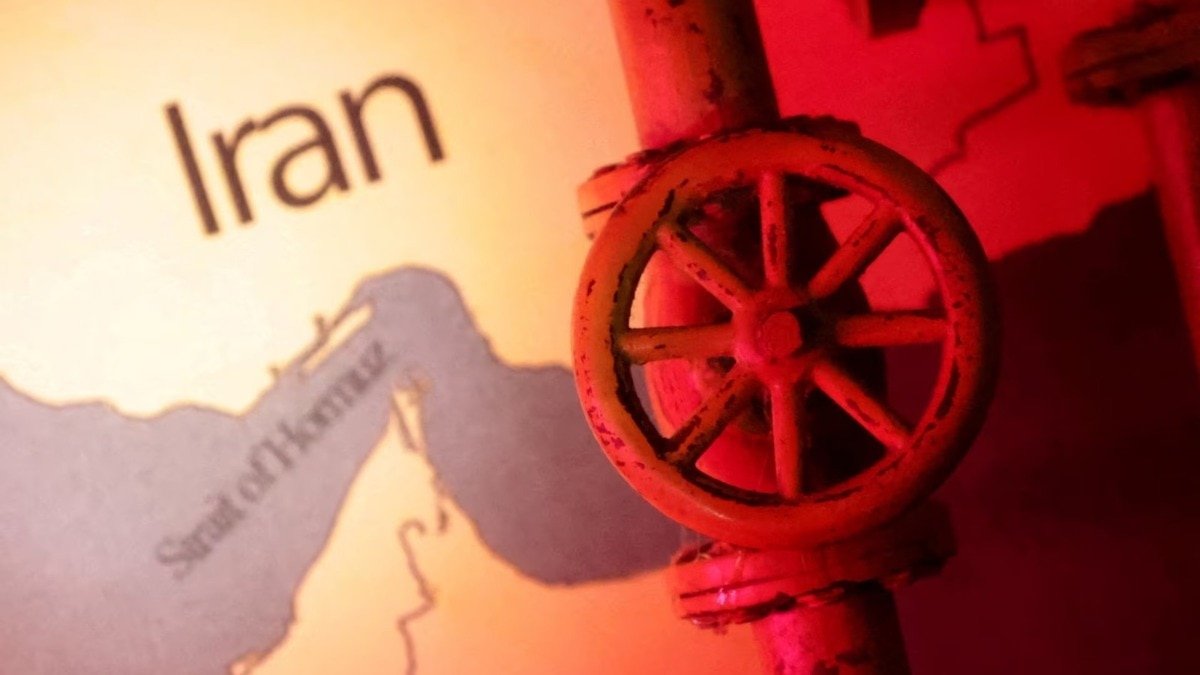
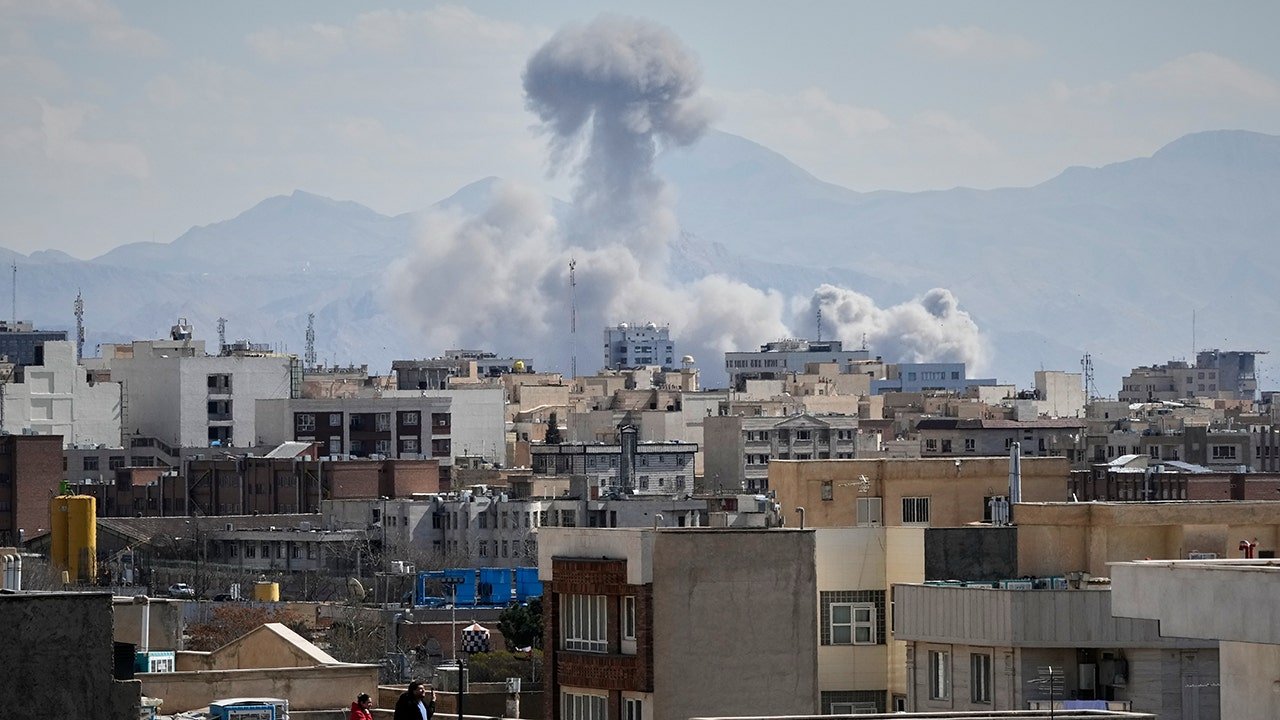
As the Iran-US-Israel war entered its fourth day and Tehran announced the closure of the Strait of Hormuz, Vedanta chairman Anil Agarwal warned that India’s heavy reliance on imported natural resources leaves it exposed to geopolitical shocks.
Read also: Why Trump chooses weekends for military actions; Is Iran’s timing ominous for India?
“A major geopolitical shock in a resource-rich region, such as the ongoing conflict in Iran, makes India vulnerable due to its heavy reliance on imports of natural resources from underground,” Agarwal said on Tuesday.
The Strait of Hormuz, the narrow mouth of the Persian Gulf through which about a fifth of the world’s oil passes, has become a flashpoint. Iran’s Islamic Revolutionary Guard Corps (IRGC) said on Monday that the waterway is “closed” and warned that ships trying to pass would be targeted.
Brigadier General Sardar Ebrahim Jabari, senior adviser to the commander-in-chief of the Guard, said: “The (Hormuz) Strait is closed. If anyone tries to pass, the heroes of the Revolutionary Guard and the regular navy will set fire to these ships.”
Tankers moving through the strait carry oil and gas from Saudi Arabia, Kuwait, Iraq, Qatar, Bahrain, the United Arab Emirates and Iran, much of it bound for Asia. China, India, Japan and South Korea together account for 75% of oil and 59% of LNG flows through the corridor, according to Zero Carbon Analytics. China and India are the most important destinations.
In this context, Agarwal argued that India must treat the development of domestic natural resources as urgent. “We must immediately declare this sector a national priority, cut red tape and facilitate a rapid increase in domestic production. We have such a progressive government that this can happen. Some risks have to be taken, and we should take them. It will also give massive returns in terms of employment.”
He added that the sector offers job potential beyond traditional profiles. “Young women are entering this sector in a big way. And there are talented Indians abroad who can make a ghar vapsi.”
Agarwal outlined the scale of India’s exposition. “Today, 90% of our oil is imported. This fuels our transport. 66% of our LPG is imported. We use it for cooking at home. So is 50% of LNG, which goes into low-emission public transport vehicles.”
He pointed out that oil and gas are the largest items in India’s import bill, around $176 billion a year, and any sharp rise in prices has an adverse effect on macroeconomic indicators such as the current account deficit, the value of the rupee, the fiscal deficit and inflation.
Beyond hydrocarbons, the Vedanta chairman pointed to another major vulnerability, which is gold. “Interestingly, our second largest import is gold, about $65 billion a year, the demand and price of which also rises in times of uncertainty. Oil, gas and gold account for almost 30% of our total imports.”
To address the structural imbalance, Agarwal called for regulatory changes. He said the government should exempt the industry from time-consuming regulations, including public hearings.
“The latter has already been done for critical minerals, but it should be done globally for all processes and minerals. Environmental clearances should be done on a self-certification basis. Once a company commits to the Government’s rulebook, there should be no further process, just an audit at a later stage.”
He also urged that existing assets, most of which are owned by the government, should be fully utilized. “At least 50% of the stake can be transferred to proven people. Employees will have an equity stake and a promise of no reduction.”
“India cannot wait. The world is more restless and uncertain than it has been at any time in my memory. There are no permanent friends or partners in today’s geopolitics. Self-reliance is more than a desirable aspiration. It is an immediate economic and strategic imperative,” Agarwal said.