 itstargetnews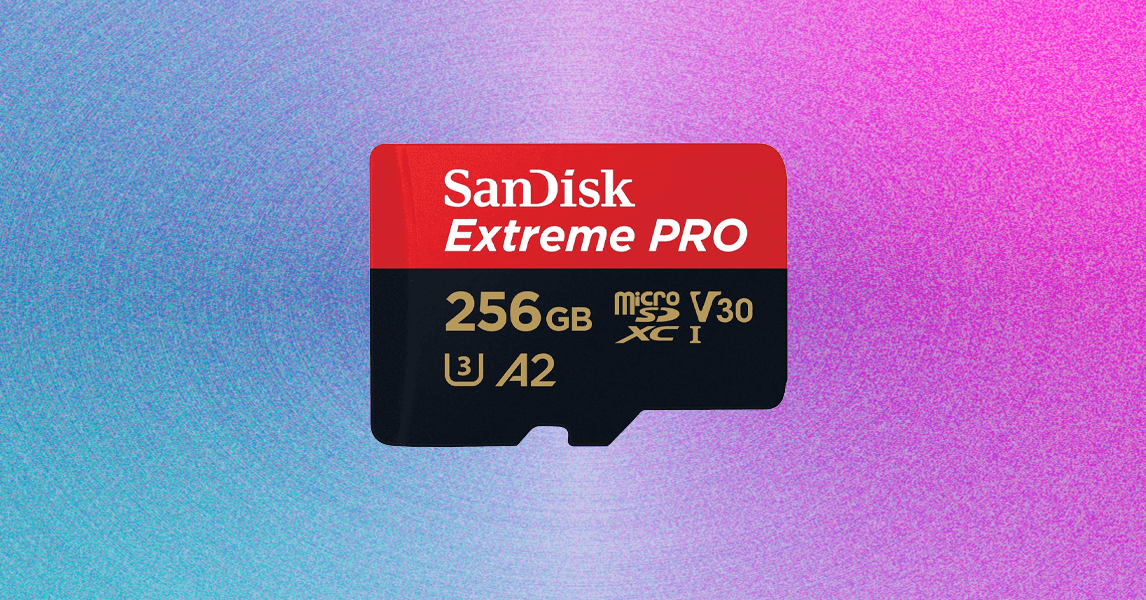
Shopping a The MicroSD card can be a bit intimidating. There are a ton of numbers to consider, lots of brands making cards with similar sounding features and names, and words like Pro, Extreme, and Express being thrown around everywhere.
To make a long story short, unless you are shooting a ton of photos and videos, and to do it even semiprofessionally where the loss of shots can damage your professional reputation, you are good to buy a MicroSD card from any company whose name you have heard before. I prefer cards from PNY, SanDisk, and Lexar. Look for a “U” symbol with 3 inside, or a “V30” on the card for the best balance of speed and price. There are two exceptions to that suggestion:
If you are shooting with a high-end camerayou should consider a V60 MicroSD card, if you can find one for a reasonable price. Some cameras have additional video features that you can use with a faster MicroSD card, so check your manual for more information if you need to upgrade.
If you’re shopping for a Nintendo Switch 2, you need a unfortunately more expensive MicroSD Express card. While you can transfer images and videos from your Switch 2 using most regular MicroSD cards, you’ll need an Express version to use it for actually running games.
Capacity
How much storage you need will depend on your needs, but there are a few things to consider when debating between 128 GB and 1 TB. The first is that MicroSD cards are small, and changing them on the road can be a risky proposition. Costs tend to increase exponentially for 1 TB and 2 TB cards, but the gap between 256 GB and 512 GB is not that big, so I recommend sizing up a bit.
Another factor is that storage sizes are also separated by different standards, so you want to make sure your device supports a larger card. Cards 64 GB higher are technically “SDXC” for Extended Capacity, and are currently the most common type, and you should use them in most modern situations.
SPEED
If you’re interested in learning more about MicroSD speeds, we have a write-up on a full explanation of different speeds and how they interact, but I’ll give you a quick rundown here as well.
Each MicroSD card has an actual minimum sequential write speed indicated by a letter and number on the card. The number indicates the speed in MB/s, with the letter representing the generation. The C10, U1, and V10 are all the same speed, just written differently, so you’ll likely see multiple symbols printed on each card. I recommend checking out the SD Association page about speeds with a handy chart showing the full comparison.
In practice, you should find a MicroSD card slower than V30 / U3 in most retailers, although you may find it included in some electronics that do not require anything more important.


