 itstargetnews
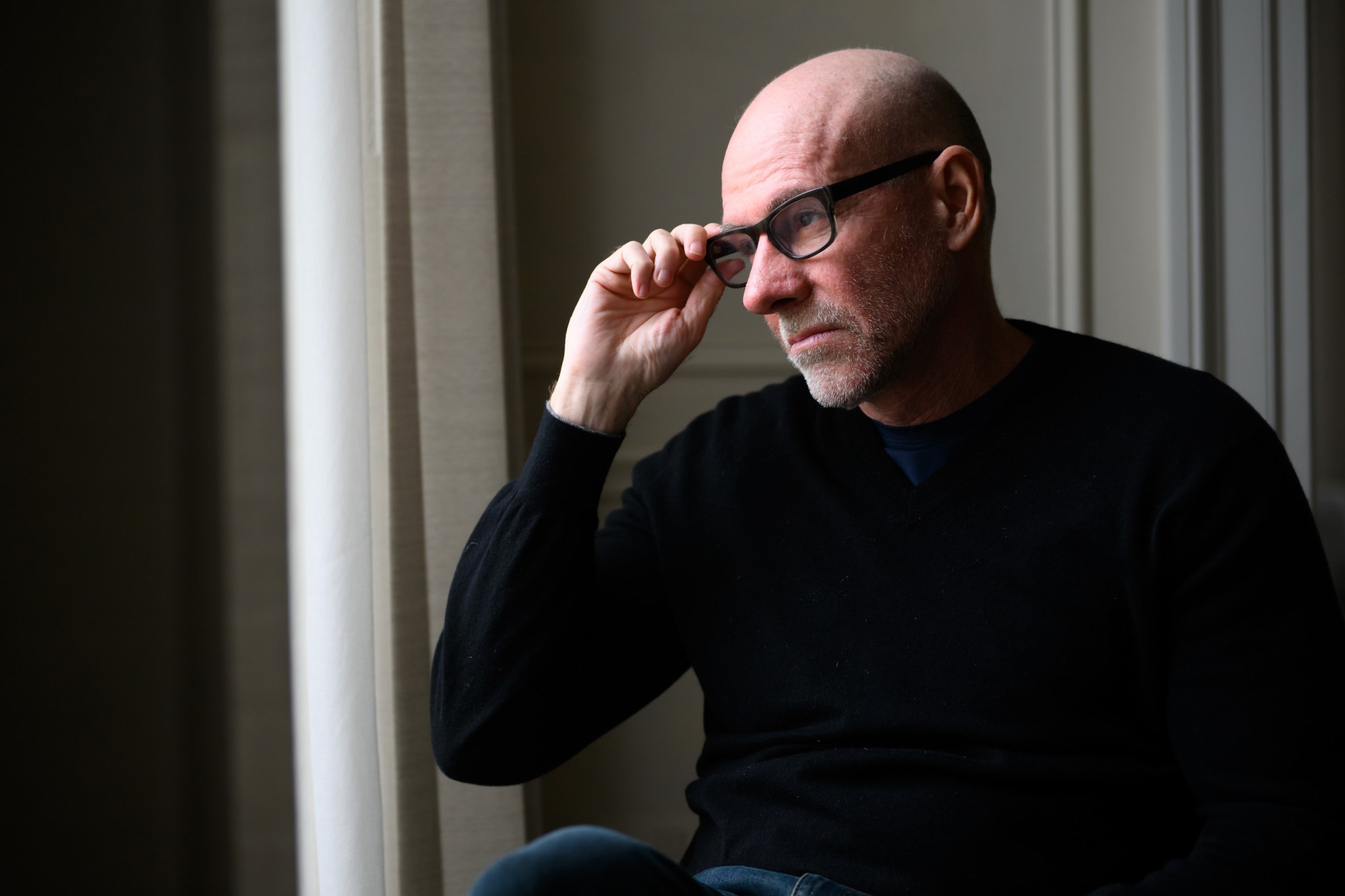
Scott Galloway can pinpoint the moment—the straw that, in his words, “broke the camel’s back.” The New York University professor and podcast host recalled watching in horror in January as Homeland Security Secretary Kristi Noem described Alex Pretti, the ICU nurse and US citizen who was shot and killed by immigration agents, as a “domestic terrorist.”
“I feel like it’s really bad… and it hurts me a lot,” said Galloway, a professor of marketing at NYU’s Stern School of Business. “I worry a lot about it. And one of my favorite sayings is, ‘Action absorbs anxiety.'”
So he went to work. Outraged by the Trump administration’s immigration policies, he wondered what would get the president’s attention. Galloway, who co-hosted the Pivot podcast with veteran tech journalist Kara Swisher and who regularly talks to top executives in Silicon Valley, decided to zero in on Big Tech leaders who are often seen hobnobbing at the White House and Mar a Lago.
What he has done is a targeted boycott – “a temporary, coordinated withdrawal from discretionary consumer spending,” as he says, and one that seeks to do the most damage to the industries that seem to be calling the most shots in the Trump administration’s policy: tech and AI.
Reply and UnsubscribeGalloway’s online campaign, does not include marches or picket lines. Instead, it asked consumers to each make a small, personal sacrifice: Cancel their subscriptions or delete the apps of ten consumer technology companies that it identified as having “greater influence” on the national economy and President Trump: Amazon, Apple, Google, MicrosoftParamount+, MetaUber, NetflixOpenAI, and X. The site links to each company’s “unsubscribe” pages.
In a world where the platforms created by these companies have become ingrained in society and everyday life, Galloway also asks consumers to reflect on giving up convenience for a higher purpose. Should people really use two ride hailing apps, he asked, or subscribe to the paid versions of ChatGPT and Anthropic?
“Like dry January, this is an opportunity to rethink or recalibrate,” he said. “I think it’s, at least, an opportunity to reduce your spending… It’s also to recalibrate how you feel about these companies, how they acquit themselves in terms of who they support and why, and if you should spend this money with them.”
He also singled out eight other companies—AT&T, ComcastCharter, Dell, FedEx, Home DepotMarriot, and UPS—claiming they can handle Immigration and Customs Enforcement agents, and asking consumers to withhold business from them, too.
Galloway said he heard directly from many board members or CEOs of the companies he selected—with most saying they understood what he was doing. But many say they are stuck navigating a very chaotic situation.
“The president and administration have done a very good job of creating incentives for the most powerful business leaders to go along with his policies, keep quiet if they disagree with them, and even enable them through direct infrastructure support,” said Galloway, referring to companies that work with ICE. “And then they’re texting me and other people I know saying they’re sick of it—that it doesn’t do anyone any good, to complain about him behind his back.”
Galloway said he empathizes with business leaders who have remained silent despite doubts about the Trump administration’s actions. Most are afraid to speak out, he said, “because the president will do everything in his power to make that person and that company pay.”
His hope is to create a new incentive for these timid business leaders, by removing a quarter billion or more from their combined market cap. Galloway estimated the financial impact of the movement by looking at Resist and Unsubscribe pages on the sites and calculating a 5% conversion rate, with each converted visitor canceling an average of two subscriptions resulting in $30 in monthly revenue lost. A ticker on the site estimates that this number, annualized, adds up to about $248 million dismissed at the time of publication. (This estimate has not been verified by luck.)
Sure, a quarter billion in combined effect isn’t a huge blow to companies worth hundreds of billions—or even trillions. And Galloway knows he faces an uphill battle, especially in an era where boycotts and strikes fueled by social media are on the rise. “Since its inception, I’ve been a serious student of economic strikes; most don’t work,” said Galloway. “One-day strikes are more cinematic than effective. They’re more disturbing.”
There are some examples of consumer collective action that have led to success, however. Galloway points to the global economic boycott of South Africa in the 1980s and early 1990s that forced the government to end Apartheid, or the most recent one. Disney unsubscribe movement after Jimmy Kimmel’s late-night show was suspended following the Trump administration’s criticism of the comedian’s comments about the killing of Charlie Kirk. Jimmy Kimmel Live! returned.
But just because fewer people are working, doesn’t mean they can’t work, Galloway said. “What I’m trying to do is send a signal that you have more power than you think, and you have a weapon hiding in plain sight, and that’s your cost,” he said.
So far, Galloway says he thinks his movement is a “moderate-to-tangible success.” “What I’m hearing from these companies is (Resist and Unsubscribe) is a discussion in product management meetings and in the cafeteria, but it’s not a board-level discussion yet,” he said. “So the reality is that I still have work to do to create enough signal, enough awareness, enough unsubscription, so that the CEOs and boards of these companies feel that the incentives have changed.”
Currently, he pointed out, it is even bigger. “My mom used to say, ‘How do you eat an elephant? One bite at a time,'” Galloway said. “So I’m not kidding or I’m not discouraged to think that you don’t have an impact. I think collectively, we all have a lot of impact.”
He likens this moment in history to the US Civil War, the World Wars, or the Civil Rights movement — true turning points. And he wants to have a clear answer when he asks, “What did you do in the war?”
“It just feels good to do something,” he said. “It’s a great feeling that other people are doing something.”


