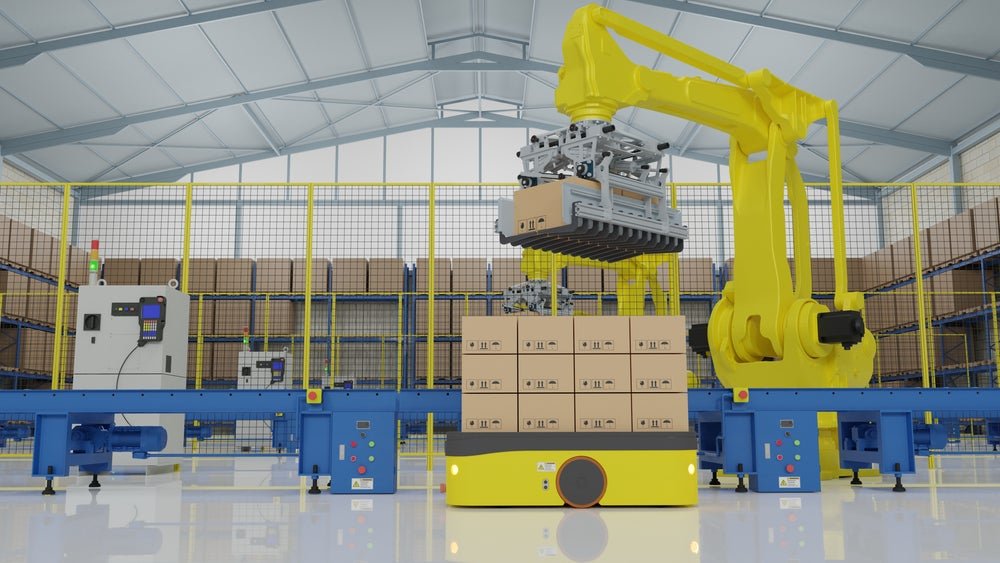
A box that stacks perfectly on a pallet may be impossible to open by hand. A bag optimized for autofill can spill its contents the moment a customer touches it.
In all industries, packaging has been designed primarily for machines, efficiency and speed, often at the expense of the people who ultimately use it. This imbalance is increasingly visible as automation accelerates and consumer expectations rise.
In modern supply chains, packaging design is increasingly shaped by robotics, high-speed lines and logistics systems. While this approach offers scale and consistency, it also introduces hidden costs and risks when human needs are overlooked.
Automation has transformed packaging operations. Machines demand precision, uniformity and predictability, pushing packaging design towards rigid specifications. Dimensions must be exact.
Materials must behave consistently. Seals must be formed at high speed. From an operational perspective, this makes sense.
Packaging built for machines is easier to run at scale. Automated packaging lines reduce labor costs, increase throughput and reduce error rates. To support this, packaging formats are simplified, standardized and designed for mechanical handling rather than human interaction.
The consequences are often invisible upstream. Sharp edges, excessive force requirements and awkward opening mechanisms rarely affect machinery, but are very important to warehouse staff, retailers and end users. When packaging prioritizes only machine compatibility, usability becomes secondary.
This machine mentality also limits flexibility. Packaging optimized for a single production line can have problems when volumes change, suppliers change or markets expand. Human-centric adaptability is sacrificed for mechanical efficiency, increasing the long-term rigidity of the supply chain.
As automation spreads to smaller facilities and emerging markets, the gap between machine needs and human experience continues to widen.
Packaging that works perfectly in one line can fail in the real world. Warehouse workers can struggle with heavy and awkward packages. Retail staff may experience more breakage during unpacking. Consumers may resort to tools to open products, risking injury and frustration.
These problems carry measurable costs. Poor ergonomic packaging contributes to workplace injuries and increased absenteeism. Hard-to-open packages increase product returns and negative reviews. Damaged goods erode margins and strain customer relationships.
Accessibility is another overlooked factor. Packaging designed without consideration of grip strength, dexterity or visual clarity excludes large segments of the population. As populations age, this becomes a growing business and reputational risk.
Regulation is beginning to reflect these concerns. Authorities are increasingly considering user safety, information clarity and accessibility as part of broader consumer protection frameworks.
Packaging that doesn’t take human interaction into account can face scrutiny beyond traditional safety and labeling standards.
There is also a branding dimension. Packaging is often the first point of physical contact between a product and its user. When this interaction feels hostile or frustrating, it undermines trust, regardless of how effective the supply chain behind it is.
The tension between automation and usability is not inevitable. Packaging can be designed to serve machines and people if human factors are considered early, not treated as an afterthought.
Human-centered packaging design begins with an understanding of real-world handling. Observing how containers are lifted, opened, sealed and disposed of reveals friction points that machines never encounter.
Small changes in teardrop placement, grip zones, or material stiffness can significantly improve usability without disrupting automation.
Cross-functional collaboration is critical. Packaging engineers, operations teams, designers and compliance specialists must work together and not in sequence. When usability is addressed at the concept stage, it rarely conflicts with machine requirements. Problems arise when they are addressed too late.
Testing beyond the production line is important. Drop tests and seal checks should be combined with user tests that reflect different abilities and environments. This approach reduces downstream problems that are much more expensive to fix once the containers are on the market.
Standardization can still play a role, but it should not be driven by machinery alone. Flexible standards that take human interaction into account allow companies to scale automation without alienating users.
Machine built packaging has brought efficiency and growth. Packaging created for people offers loyalty, security and trust. In a mature and competitive market, companies can no longer afford to choose one over the other.
The future of packaging design lies in balancing mechanical precision with human expertise.
“Packaging built for machines, not people” was originally created and published by Packaging gatewaya trademark owned by GlobalData.
The information on this site has been included in good faith for general informational purposes only. It is not intended to be advice on which you should rely, and we make no representations, warranties or guarantees, either express or implied, as to its accuracy or completeness. You should obtain professional or specialist advice before taking or refraining from any action based on the content of our site.
 itstargetnews