itstargetnews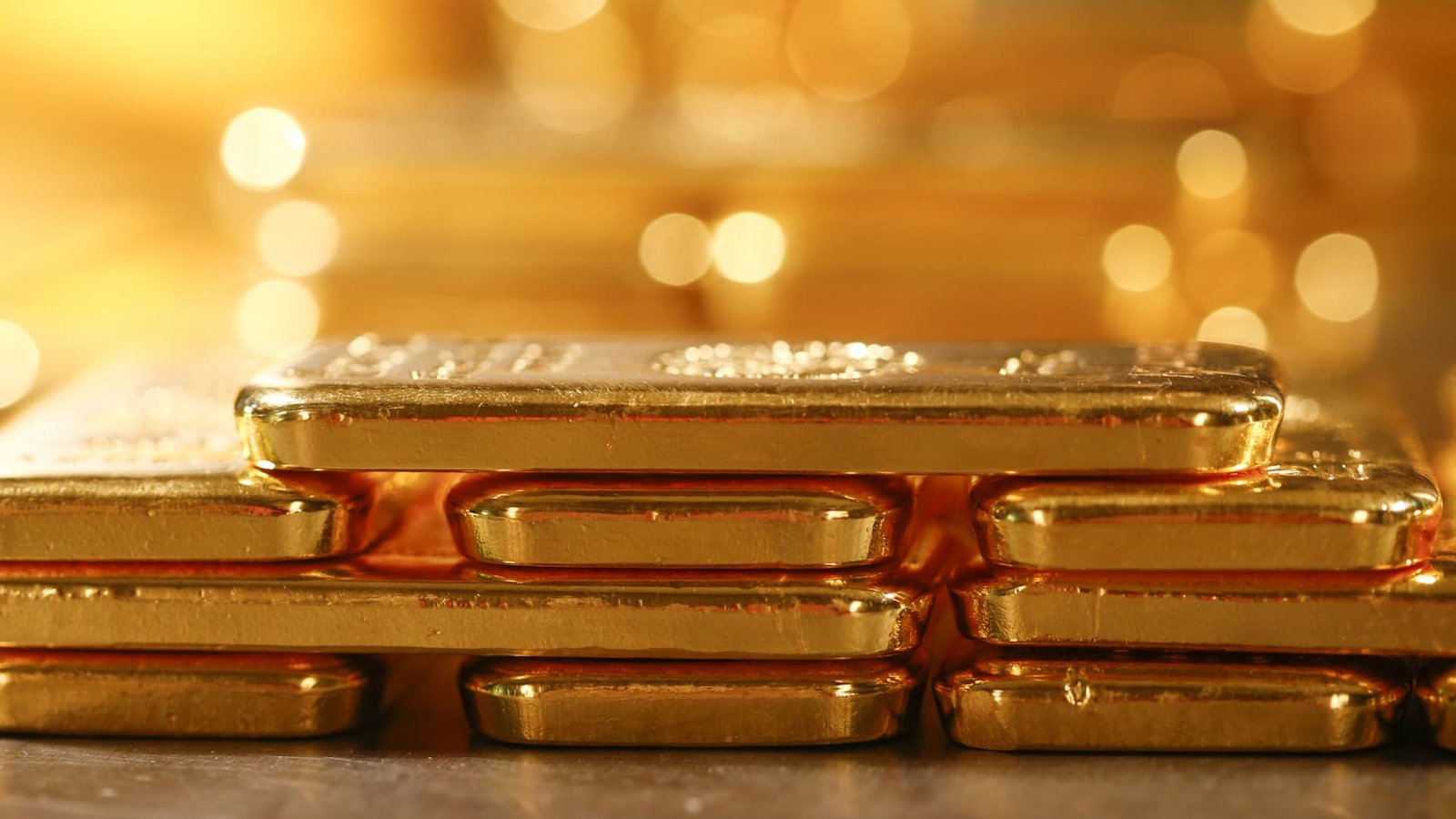
U.S. Treasury yields fell and gold and silver prices rose after retail sales growth stalled in December, signaling weakness in the economy ahead of key jobs data.
Bloomberg Creative | Bloomberg Creative Photos | Getty Images
Some analysts have increasingly linked gold’s wild price swings in recent weeks to speculative trading in China, with U.S. Treasury Secretary Scott Bessant attributing the increased volatility to “unruly” Chinese activity.
gold price Gold prices jumped to a record high of $5,594 an ounce on January 29, only to plunge nearly 10% the next day, the largest drop in decades. Since then, gold has struggled to stay above 5,000.
While broader factors such as U.S. interest rate expectations and geopolitical tensions continue to drive demand for gold, some analysts believe Chinese retail and institutional investors play a large role in driving volatility.
U.S. Treasury Secretary Scott Bessent bluntly described the move on Fox News’ Sunday Morning Futures show. “Gold has become a little unruly in China… they’ve had to tighten margin requirements. So it looks to me like gold is a little bit like a classic speculative plunge.”
Market observers also said that a surge in activity in gold futures and exchange-traded funds, despite repeated margin hikes, and the increasing use of leverage appeared to be behind gold’s volatile trading.
Nicky Shiels, head of research and metals strategy at MKS Pamp, said China has been the “main driver” of precious metals prices this time around.

Gold price over the past year
“This is driven by a combination of retail and institutional speculative inflows, ETFs, physical gold bars and futures positions,” she told CNBC.
Holdings in China’s gold-backed ETFs have more than doubled since the start of 2025, while gold futures trading activity has picked up sharply in recent months, according to data provided by Capital Economics.
“Part of this volatility is driven by China’s increasing access to gold-related financial products, such as futures contracts and exchange-traded funds (ETFs),” said Hamad Hussain, an economist at Capital Economics. “More importantly, there are signs that leverage in China’s gold market is also increasing, which could lead to significant moves in gold prices.”
Ray Jia, head of research for Asia Pacific (excluding India) and deputy head of trade engagement for China at the World Gold Council, told CNBC that trading volumes on the Shanghai Futures Exchange have surged, with average daily trading volumes so far this year approaching 540 tons. This growth is based on record trading volumes averaging 457 tonnes per day in 2025.
Regulators have taken notice, with the Shanghai Gold Exchange raising margin requirements several times to curb rising volatility.
“The increasing use of futures contracts and leverage to invest in gold is not typical of investors looking for a safe-haven asset,” Hussein said, warning that the recent buying “means a speculative bubble may be inflating.”
From safe haven to speculative trade?
The surge in participation reflects structural anxieties and tactical positioning.
Xing Zhaopeng, senior China strategist at ANZ Research Department, said: “Chinese people have limited access to the financial market. They have to invest in real estate, deposits, etc. When house prices fall and deposit interest rates are as low as 1%, gold is a good choice.”
Gold currently accounts for about 1% of Chinese household assets, according to ANZ Research. Xing expects the ratio to rise to 5% in the “near future”, especially with sluggish real estate prices and deposit rates hovering near historic lows. “People believe gold can act as insurance.”
He noted that the motivation is also strategic for Beijing amid a broader move away from the dollar.
“The government is pushing for de-dollarization to protect itself from U.S. economic coercion,” said Lei Xiaoshan, founder and managing director of China Market Research Group.
“Chinese retail investors and the government are driving gold prices higher as they seek higher returns and safe havens,” he said.
Official data released by the U.S. Treasury Department shows that China’s holdings of U.S. Treasury bonds have dropped to $682 billion in November 2025. A year-on-year decrease of 11%. Meanwhile, the People’s Bank of China has reportedly expanded its gold reserves for 15 consecutive months as of January Increase holdings to approximately 2,300 tonnes.
“In addition to safe-haven assets, China’s gold bubble may also be inflating,” Capital Economics’ Hussain said.