itstargetnews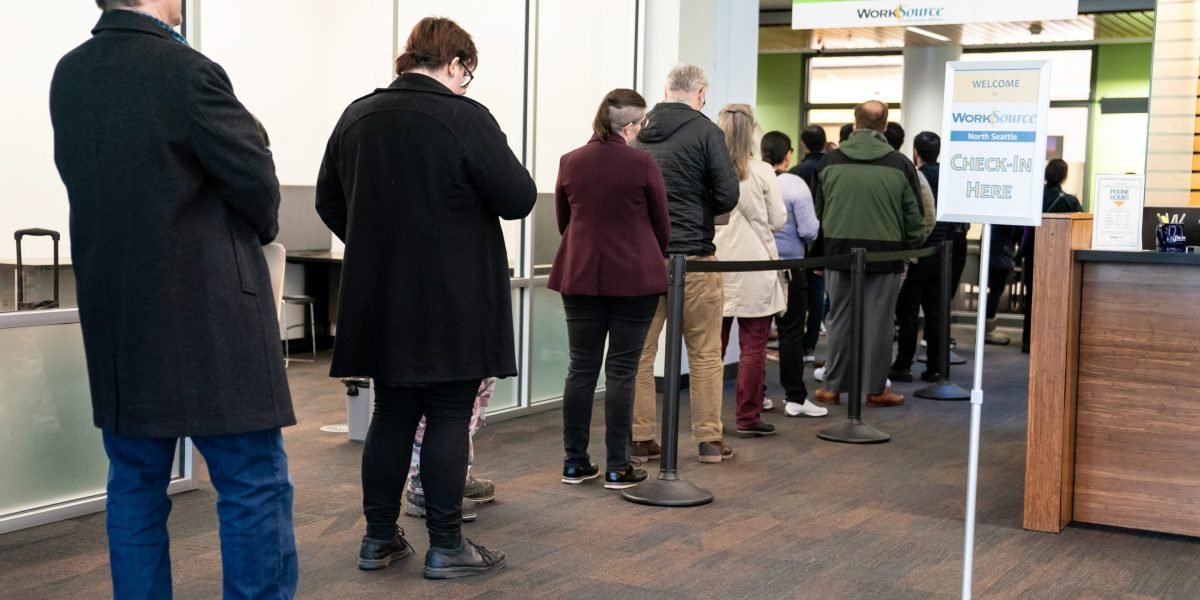
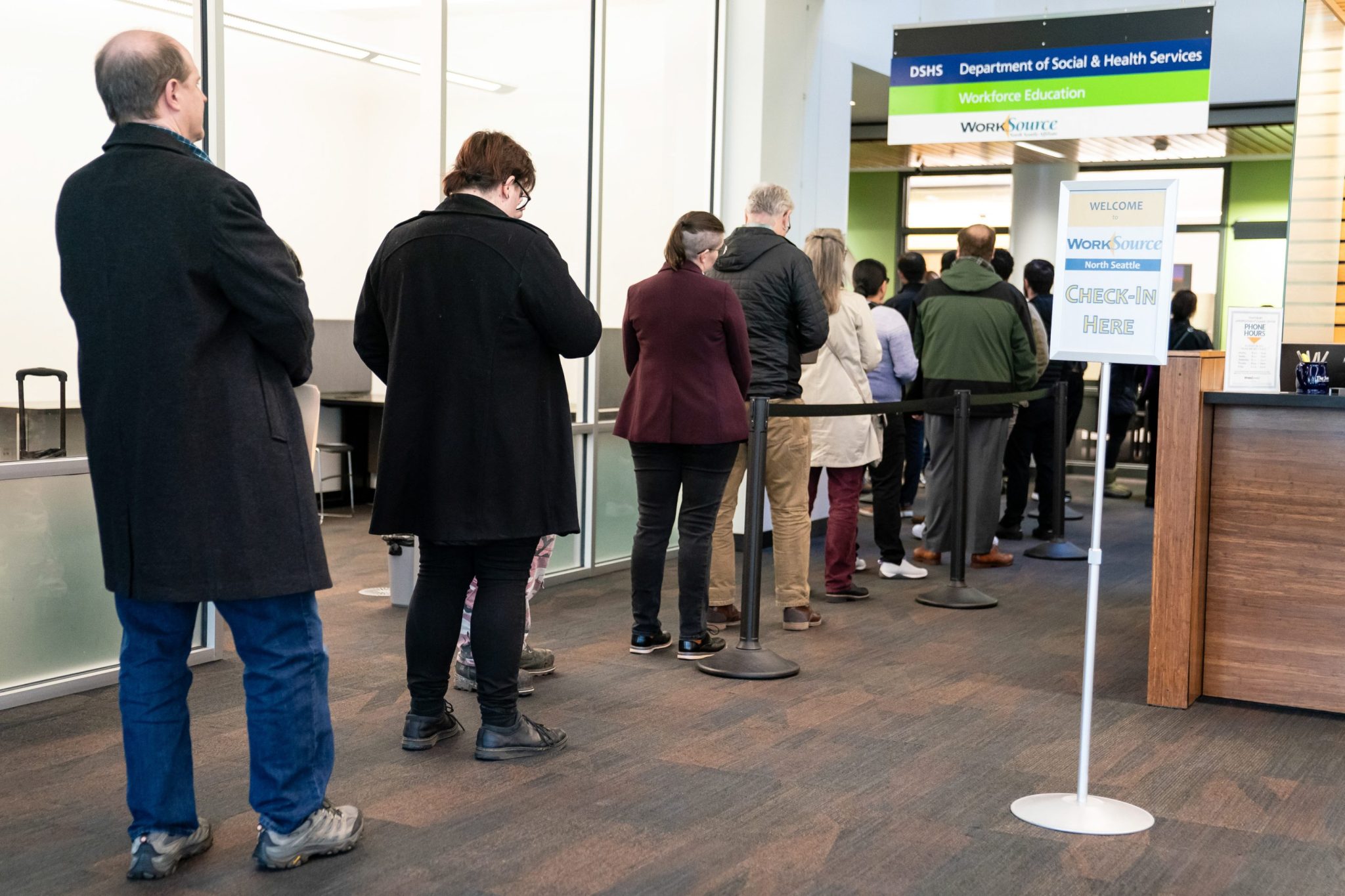
The number of Americans applying for unemployment benefits fell last week, remaining within the healthy range of the past few years.
Applications for jobless assistance for the week ending February 7 fell by 5,000 to 227,000 from the previous week, the Labor Department reported Thursday. That’s basically in line with the 226,000 new applications predicted by analysts surveyed by data firm FactSet.
Filings for unemployment benefits are viewed as representative of layoffs in the US and are a near-real-time indicator of the health of the labor market.
On Wednesday, the government reported that US employers increased a surprisingly strong 130,000 jobs in January and unemployment fell to a still low 4.3% from 4.4%. However, the government’s changes cut 2024-2025 US payrolls by hundreds of thousands. That reduced the number of jobs created last year to just 181,000, a third of the previously reported 584,000 and the weakest since the pandemic year of 2020.
While weekly layoffs have remained in a historically low range, typically between 200,000 and 250,000 over the past few years, several high-profile companies have announced job cuts recently, including UPS, Amazon, Dow and the Washington Post in recent weeks.
Last year’s surge in layoff announcements, coupled with the government’s own sluggish labor market reports, left Americans more pessimistic about the economy.
The Department of Labor also recently reported that Job openings fell in December at the lowest level in more than five years, another sign that the American labor market remains sluggish, even as the economy registering strong growth.
Last year’s data widely revealed a labor market where hiring is clearly slowing, frustrated by the uncertainty raised by President Donald Trump’s tariffs and the lingering effects of high interest rates engineered by the Fed in 2022 and 2023 to reduce a spike in inflation caused by the pandemic.
Economists are conflicted over whether stronger-than-expected job gains in January are a one-off or possibly the first sign of a recovering labor market, which could lead the Fed to further delay more key interest rate cuts.
Some Fed officials specifically argued that weak hiring last year showed that borrowing costs weighed on growth and discouraged companies from expanding. A steady hiring spree could undermine that theory.
Fed officials signaled in December that they expect to reduce their key rate once more this year, while Wall Street investors expect two reductions, according to futures prices.
Thursday’s unemployment benefits report from the Labor Department also showed that the four-week moving average of jobless claims, which offset some of the weekly volatility, rose by 7,000 to 219,500.
The total number of Americans who filed for jobless benefits in the week ending Jan. 31 rose by 21,000 to 1.86 million, the government said.