itstargetnews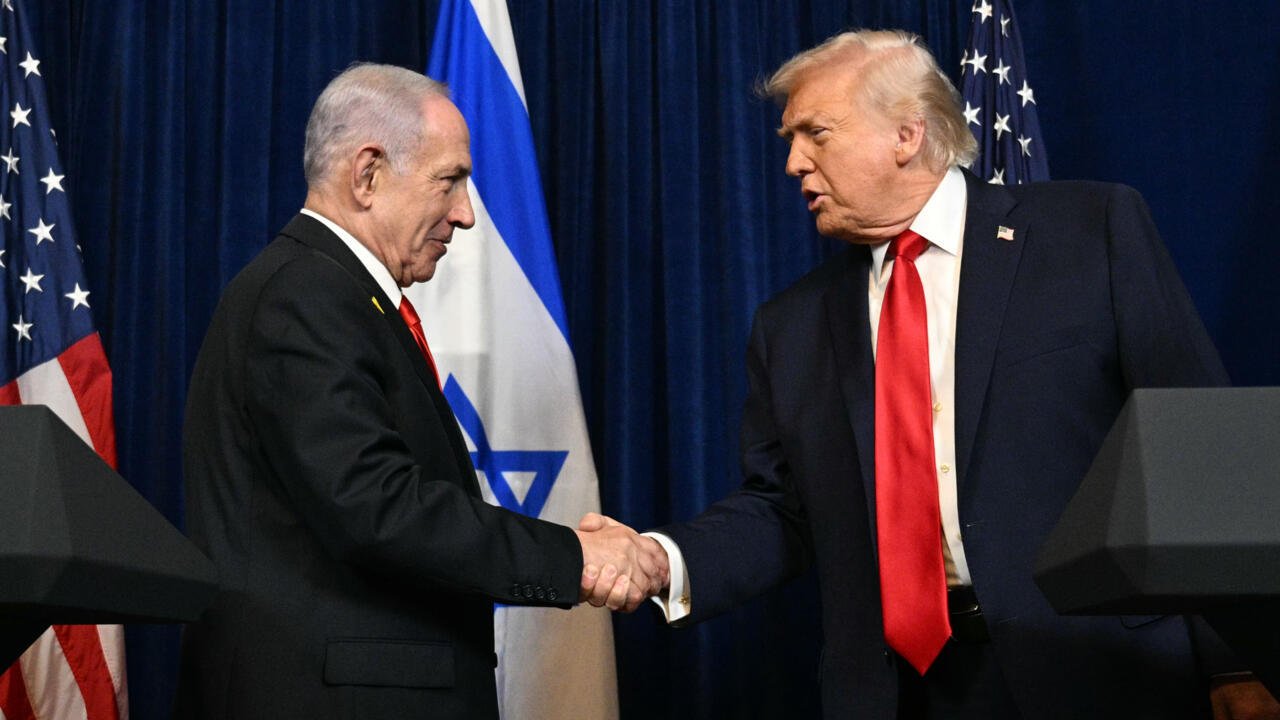
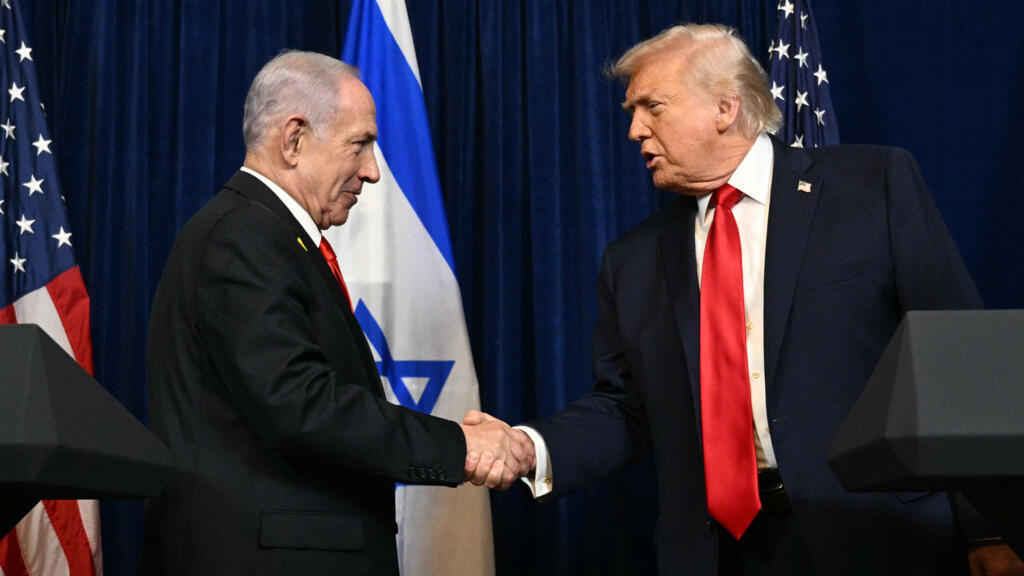
Trump he met privately with the Israeli prime minister Benjamin Netanyahu on Wednesday and said he insisted on negotiations with Iran continue as The US is in favor of a nuclear deal with Tehran.
Netanyahu spent almost three hours in The white housebut he walked in and out of sight of reporters, and neither he nor Trump answered any questions.
Afterward, Trump took to his social media platform, describing it as a “very good meeting” but that “nothing definitive was achieved, other than my insistence that negotiations with Iran continue to see whether or not a deal can be reached.”
“If he can, I’m letting the Prime Minister know that would be an advantage,” Trump wrote. “If he can’t, we’ll just have to see what the outcome is.”
He added: “Last time Iran decided they were better off not making a deal,” and they were hit by American airstrikes.
“Let’s hope that this time he will be more reasonable and responsible,” he wrote.
Gaza was also discussed
In a statement, Netanyahu’s office said the two leaders discussed negotiations with Iran as well as developments in Gaza and the region and “agreed to continue their close coordination and relationship.”
The meeting was their seventh during Trump’s second term and came as both the US and Iran projected cautious optimism after holding indirect talks in Oman on Friday on how to once again approach negotiations on Iran’s nuclear program.
Before the meeting, Netanyahu’s office said he wanted US-Iran talks to include curbs on Tehran’s ballistic missile program and its support for militant groups such as Hamas and Hezbollah.
“I will present to the president our position on the principles of these negotiations – essential principles that, in my opinion, are important not only to Israel, but to everyone in the world who wants peace and security in The Middle East“, Netanyahu said on Tuesday before leaving Israel.
Read moreIran will not give in to “excessive” US demands in continued negotiations, the president says
But it remains unclear how much influence Netanyahu will have on Trump’s approach to Iran. Trump initially threatened military action Iran’s bloody crackdown on protests across the country in January and then switched to a pressure campaign in recent weeks to try to get Tehran to make a deal on its nuclear program.
See moreExclusive: Iran, massacre under blackout
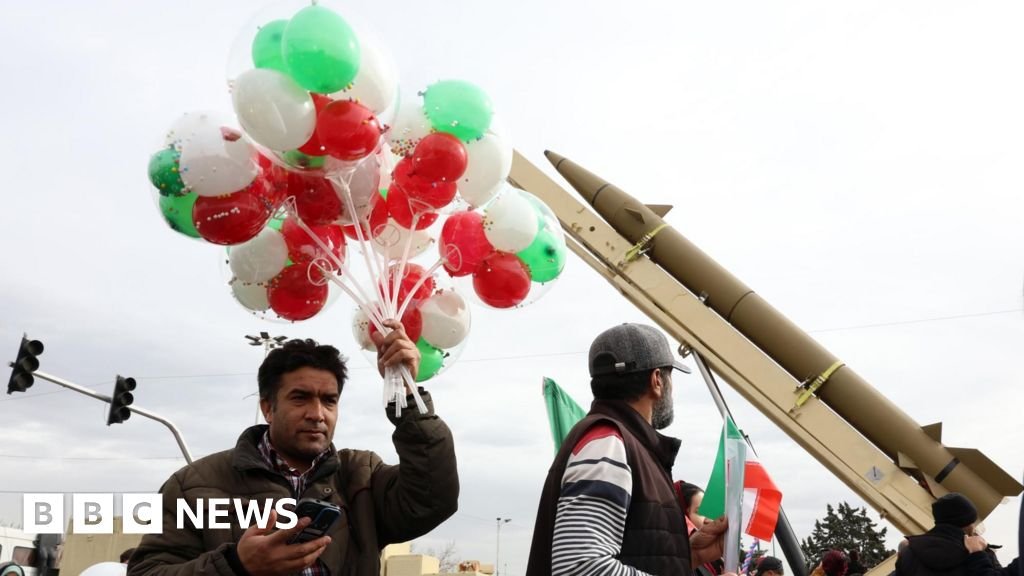
Iran is still reeling from 12-day war with Israel in June. A devastating series of airstrikes, including US bombing of several Iranian nuclear sites, killed nearly 1,000 people in Iran and nearly 40 in Israel.
Trump has repeatedly said that US strikes have “wiped out” Iran’s nuclear capabilities, although the amount of damage remains unclear. Satellite photos of nuclear sites have recently picked up activity, raising concerns that Iran may attempt to salvage or assess damage to the sites.
Israel has long called on Iran to stop everything Uranus enrichment, withdraw its ballistic missile program and cut ties with militant groups across the region. Iran has always rejected these demands, saying it would only accept some restrictions on its nuclear program in return sanctions relief.
Netanyahu Joins Trump’s ‘Peace Committee’
In his post, Trump said he and Netanyahu “also discussed the tremendous progress that has been made in Gaza and the region in general.”
Trump plans to hold the first meeting next week Peace Committeewhich was initially framed to oversee the future steps of a US-brokered Gaza ceasefire plan, but has taken shape with Trump’s ambitions to address other global crises
.
Read moreKey US allies stay away as Trump launches Gaza ‘Peace Board’ initiative
Earlier on Wednesday, Netanyahu met with the secretary of state Marco Rubio at Blair House, across the street from the White House, and agreed to be part of the committee.
As for Iran, Trump said on Friday that he is his special envoy Steve Witkoffand son-in-law Jared Kushner they had “very good” talks and more are planned this week. But the Republican president kept up the pressure, warning that if Iran does not reach a deal on its nuclear program, “the consequences will be very severe.”
Iran’s foreign minister, Abbas Araghchi, made similar comments, saying there would be consultations on “next steps”. He also said the level of mistrust between the two long-time adversaries remains “a serious challenge facing the negotiations”.
He signaled that Iran would stand by its position that it must be able to enrich uranium – a major point of contention with Trump.
Read moreIran ready to dilute its enriched uranium if ‘all sanctions are lifted’
Araghchi said in November that Iran was no longer enriching uranium because of damage from last year’s war.
Before the war, Iran was enriching uranium to 60 percent puritya short, technical step beyond weapon level. UN nuclear watchdog, International Atomic Energy Agency (IAEA), said that Iran is the only country in the world that has grown rich to that level that was not armed with a bomb.
Iran has rejected requests from the IAEA to inspect sites bombed in the June war. Even before that, Iran had limited IAEA inspections since Trump’s decision in 2018 to unilaterally withdraw the US from Iran’s 2015 nuclear deal with world powers.
(FRANCE 24 with AP)