itstargetnews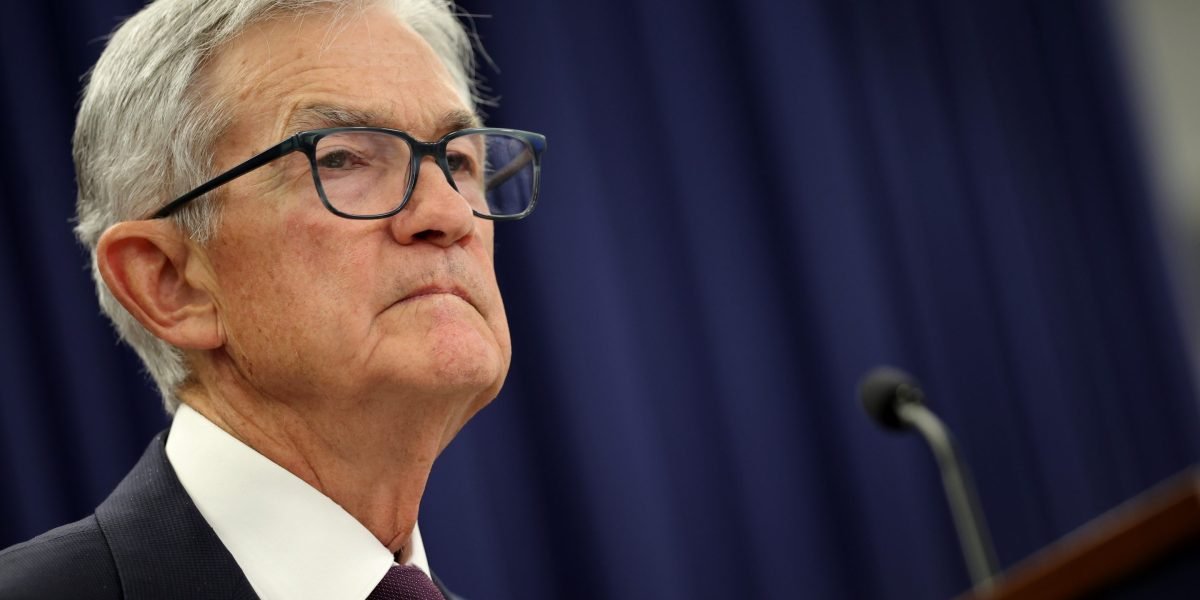
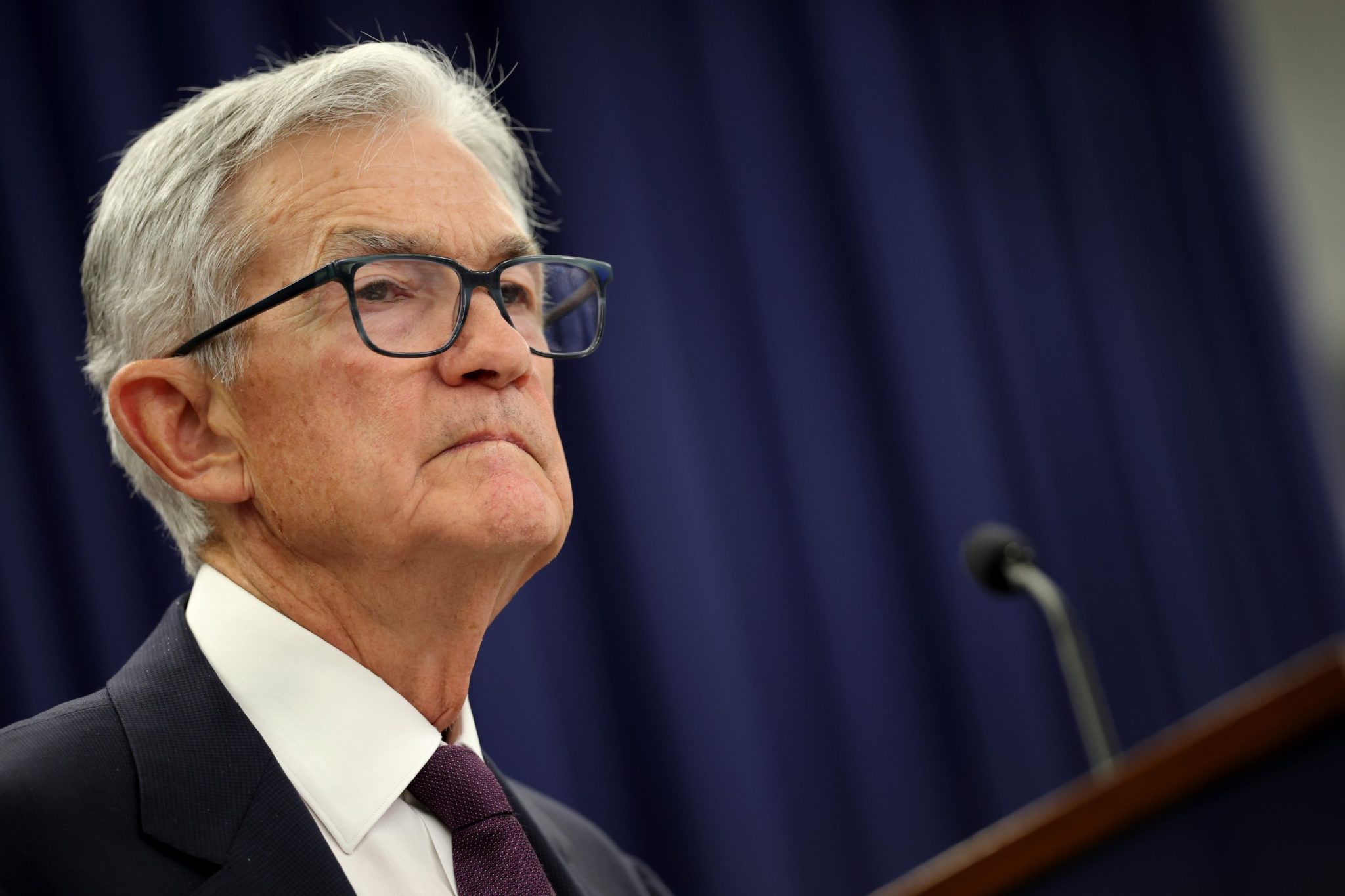
While the bridge between President Trump and Fed chairman Jerome Powell is well and truly burned, the outgoing central bank chief could yet set the stage for further interest rate cuts that the White House has pursued over the past 12 months.
Powell’s stance on most of 2025 is wait-and-see, which has frustrated the Oval Office, which wants a sharp cut in the base rate. While economists widely expect a couple of cuts in 2026, perhaps one or two under Powell, the bulk of the reductions and holding of lower rates are expected to come under his successor, Fed nominee Kevin Warsh.
But worsening data from the economy could encourage the rate-setting Federal Open Market Committee (FOMC) to act before Powell’s term ends in May.
A key motivation for the cuts—the most recent of which occurred in December—can be found in the workplace. Maintaining stable, and as close to full, employment as possible is one of the Fed’s mandates, which means that the FOMC can act if it believes that lowering the base rate can stimulate economic demand, and the labor market as a result.
the The labor market has continued to deteriorate over the past half year: Not necessarily in the form of the unemployment rate remaining stable around the 4% mark, but the number of breakeven jobs needed to maintain the unemployment rate has decreased. That means fewer and fewer roles are being created, so any increase in layoffs or increases in the labor force (because immigration outside the US slows, for example) will have a big impact on the unemployment rate.
A more complete picture of the labor market will be revealed in Bureau for Labor Statistics nonfarm payroll numbers today, not only for January but also revisions for the last few months. The release of this data was delayed by another brief, partial government shutdown.
Policy makers are bracing themselves for a bad report today. Some signs can be found in Private ADP payroll data report released earlier this month, showing that only 22,000 roles were added in January. “Job creation rebounded in 2025, with private employers adding 398,000 jobs, up from 771,000 in 2024. While we’ve seen a continued and dramatic slowdown in job creation over the past three years, wage growth remains strong,” ADP chief economist Nela Richardson wrote in the report.
“Administration officials want to emphasize that a weak January jobs number is not something to worry about. A weak January number is likely to worry the markets,” UBS chief economist Paul Donovan told clients this morning. “Slow hiring (not artificial intelligence) disrupts the labor market, with the burden falling on young people. That has implications for economic patterns (slower fast food sales, higher student loan delinquencies) that have had no significant overall impact on the economy so far.”
Yesterday’s Bureau of Labor Statistics’ Labor Cost Index also supported a dovish stance, showing only a 0.7% increase in the three months to December 2025. The weak increase in compensation costs, whether salary or benefits, suggests little market dynamics to encourage employees to move roles, or for employers to bid higher for talent. The barometer is at its weakest since then Q22021.
Knock-on rate effect
This weak outlook has a knock-on effect on rates around, according to Deutsche Bank’s Henry Allen. He wrote in a note this morning: “Overall, these releases helped validate the dovish arguments pushing for more rate cuts this year. So investors are pricing in more Fed easing in 2026, and there’s even a growing sense that Powell may deliver another cut before leaving as Chair if the data continues in that direction.”
Slower data on the consumer side could fuel the argument further: Retail sales were flat in December from November, when business rose 0.6%, according to a Commerce Department report. report released this week. Economists expect an increase of 0.4% for December.
He pointed to the possibility of more cuts this year. CME’s FedWatch barometer, for example, prices a 25 basis point cut at the next meeting in March with a probability of 37%.
He added (without mentioning the sources), the “probability of a cut in April FOMC (Powell’s last Chair) is up to 47% at the close. And looking further, the number of cuts priced in December increased + 3.3bps on the day to 60bps. In turn, which brought the Treasury yield across the curve, at 3bps yield across the curve, at 3bps.3.45%, while the 10yr yield (-5.9bps) fell to 4.14%.