itstargetnews
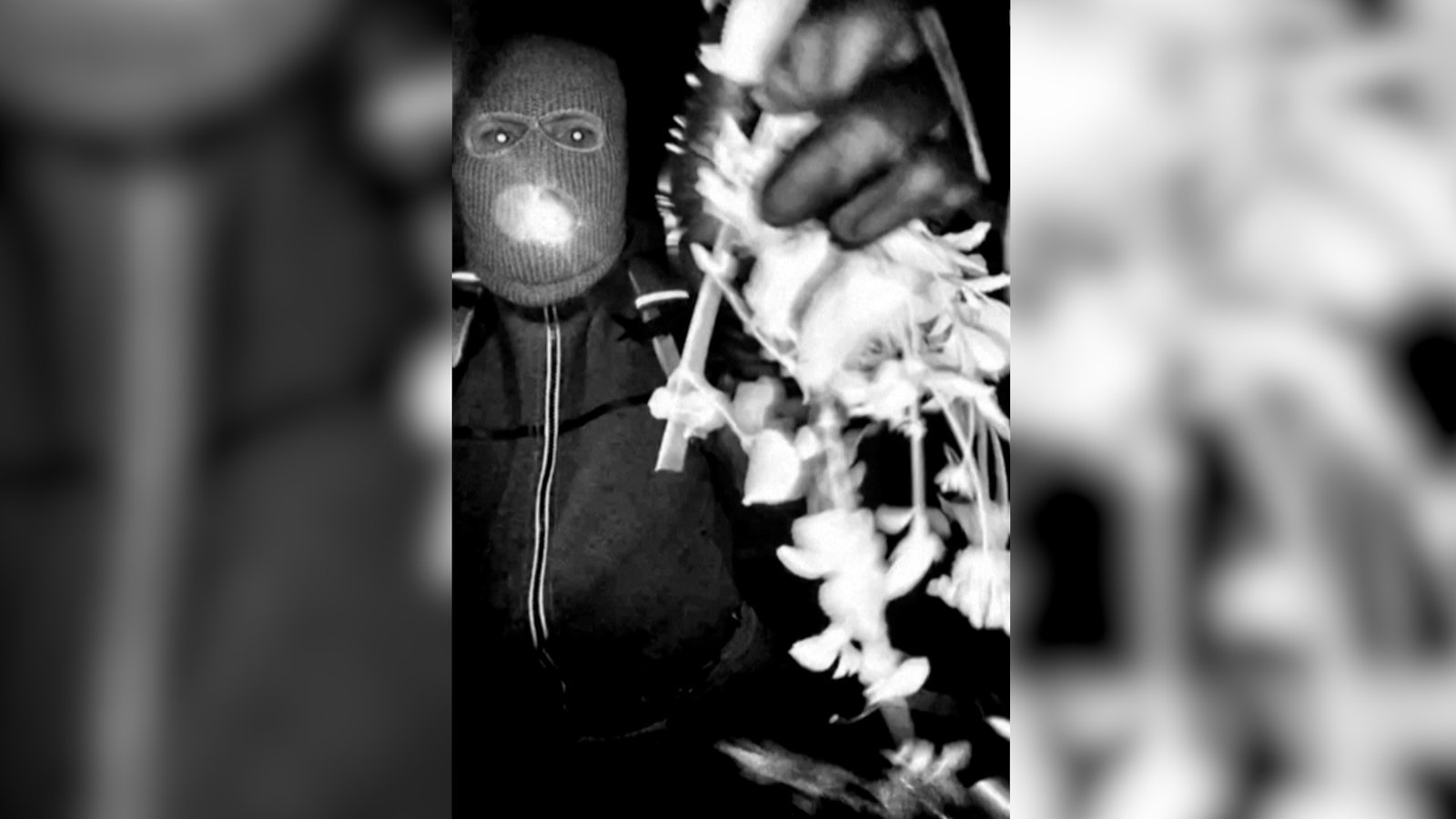
Tuesday’s release of video surveillance footage showing an armed, masked man at Nancy Guthrie’s door the night she was abducted raises many questions about why it took so long to be released to the public, how it was obtained and what privacy means.
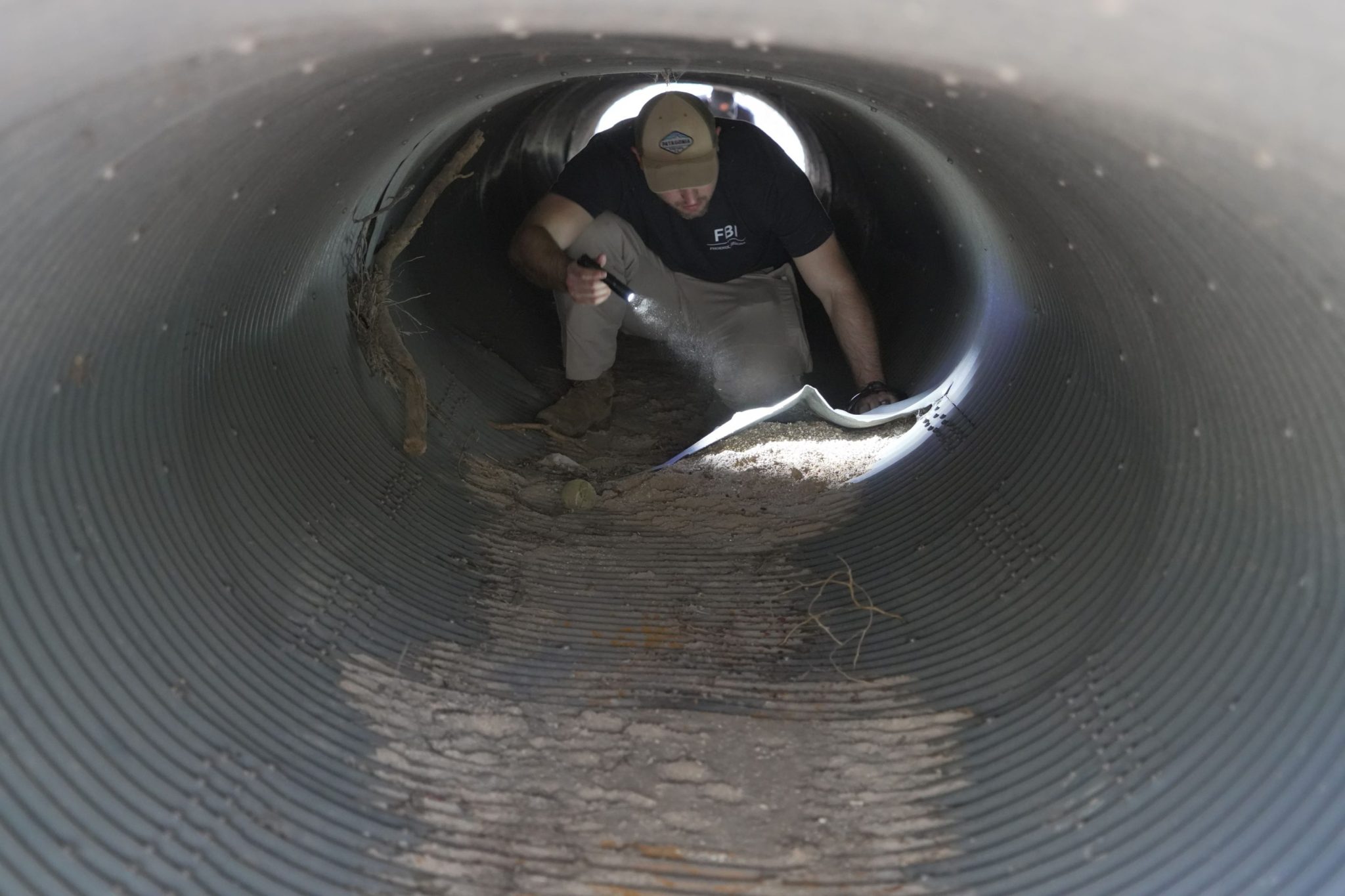
The process involved days of searching, the FBI said, after law enforcement initially believed the footage was lost because the camera was disconnected and Guthrie did not have a subscription to the camera company.
The surprising emergence of video footage has raised questions about the longevity of digital content, as billions of people increasingly connect their lives with mishmashes of devices connected to the internet, making it possible to capture snapshots from their past like old photos stored in the attic.
Unclear reasons for the delay
In the days after her apparent abduction, Pima County Sheriff Chris Nanos initially said a camera attached to Nancy Guthrie’s door was disconnected shortly before 2 a.m. the night she went missing. Minutes later, the camera software detected movement, but no footage was preserved, he said.
At the time, Nanos said no video was available in the feature because Guthrie did not have an active subscription to the company. But unexpectedly, FBI Director Kash Patel said Tuesday that investigators continued to work for days to retrieve the videos from “residual data located in backend systems.”
It was not immediately clear why it took so long to get the video. The delay may be, in part, a law enforcement strategy, according to Joseph Giacalone, a retired New York police sergeant who has handled hundreds of murder and missing-person cases.
Giacalone said the FBI may have tried to quietly identify the man on Guthrie’s porch before releasing the images.
“You try to keep these things close to the vest. I think they’ve been doing this angle for a few days,” Giacalone said.
Always recording
Local and federal law enforcement did not respond to questions clarifying what they meant by “disconnected” or who was working to recover the data.
The footage appears to be from a Nest camera mounted on or near Guthrie’s door. Googlewhich has owned Nest since 2014, is one of several companies that operate private surveillance cameras used in and around homes. Since most doorbell cameras do not use the memory cards required for large amounts of on-device storage, the video recorded by them is often transmitted to data centers scattered in the US and other countries.
Google did not immediately respond to questions from The Associated Press about how the masked man’s footage was obtained while the camera was apparently disconnected. They also did not clarify how the footage was retrieved from “backend servers” although law enforcement said Guthrie did not have a subscription.
However, Google’s privacy policy – a document that users often agree to after purchasing a device – explains that videos can be captured when a device is offline.
“That means you won’t see a visual indicator when your camera is sending video footage to our servers,” the policy states.
Cloud data is never lost
The policy also explains that the footage can remain on cloud servers for different lengths of time, but also gives users the right to view and delete the video at their discretion.
Unless a Nest user subscribes to a service that allows quick access to review footage recorded on a device, Google often cleans the footage instead of keeping it forever, said Stacey Higginbotham, a policy associate at Consumer Reports who specializes in cybersecurity issues.
But if law enforcement agencies like the FBI reached out to Nest for the footage before it was overwritten, the video could still be retrieved and viewed, Higginbotham said. “It’s like when you send an email to the trash. It’s still accessible,” depending on a provider’s retention policies.
Tensions with privacy concerns
There are supposed to be legal guardrails that should dictate how companies like Google access and share footage collected by cameras in and around people’s homes.
Under many user agreements, camera companies require a warrant or permission from the camera owner to share footage with law enforcement, according to Michelle Dahl, the executive director of the Surveillance Technology Oversight Project.
But there are several legal loopholes that would allow a company like Google to share data directly with law enforcement without doing either of those things, Dahl said.
“Our hearts go out to his family and what they are going through, and we would appreciate any information that may lead to finding him,” he said. At the same time, Dahl added, “We should really be alarmed by the privacy implications that are at risk with this video captured by the Nest camera.”
Dahl said he didn’t know about Nest cameras specifically. But he said some user agreements specify that the data collected by the cameras belongs to the camera company, not the private camera owner. In those cases, a company like Google can share footage with law enforcement at its own discretion, without even informing its users.
Dahl, who has litigated over privacy and surveillance, said the practice has become more common, making it difficult for consumers to balance the security a camera provides with constitutional protections against surveillance.
“I think the public has become very comfortable with surveillance cameras not only in public spaces, but in their private homes, without thinking about the consequences of where that data ends up,” Dahl said. “If a camera is essential for your security, look for options where that data is not sent to a cloud.”
___
Associated Press writer Ed White contributed reporting.