itstargetnews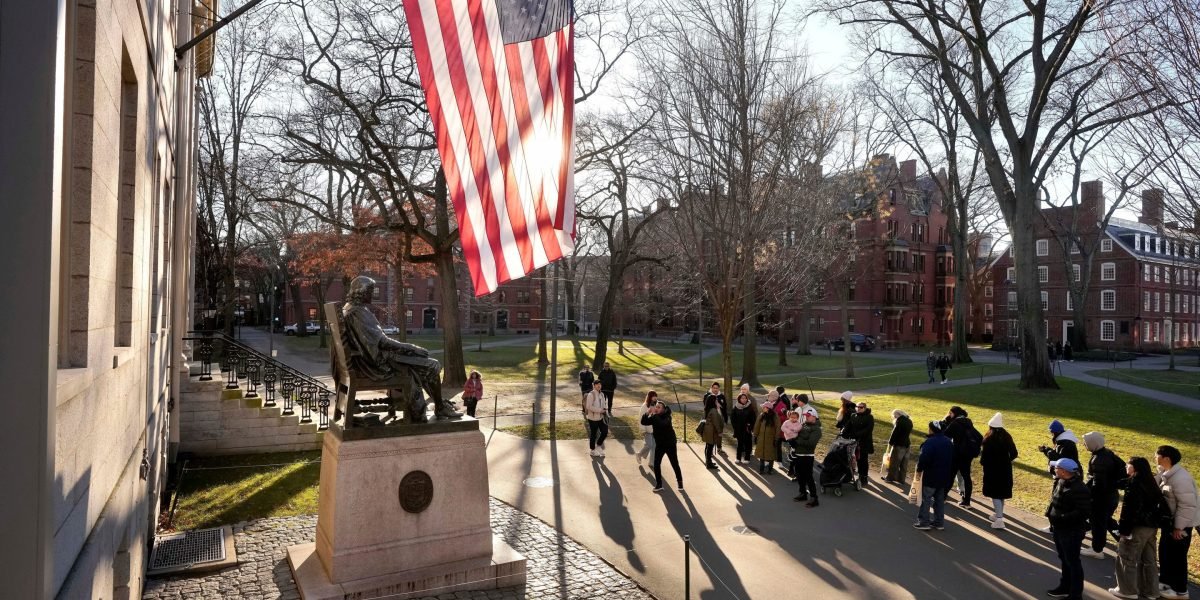
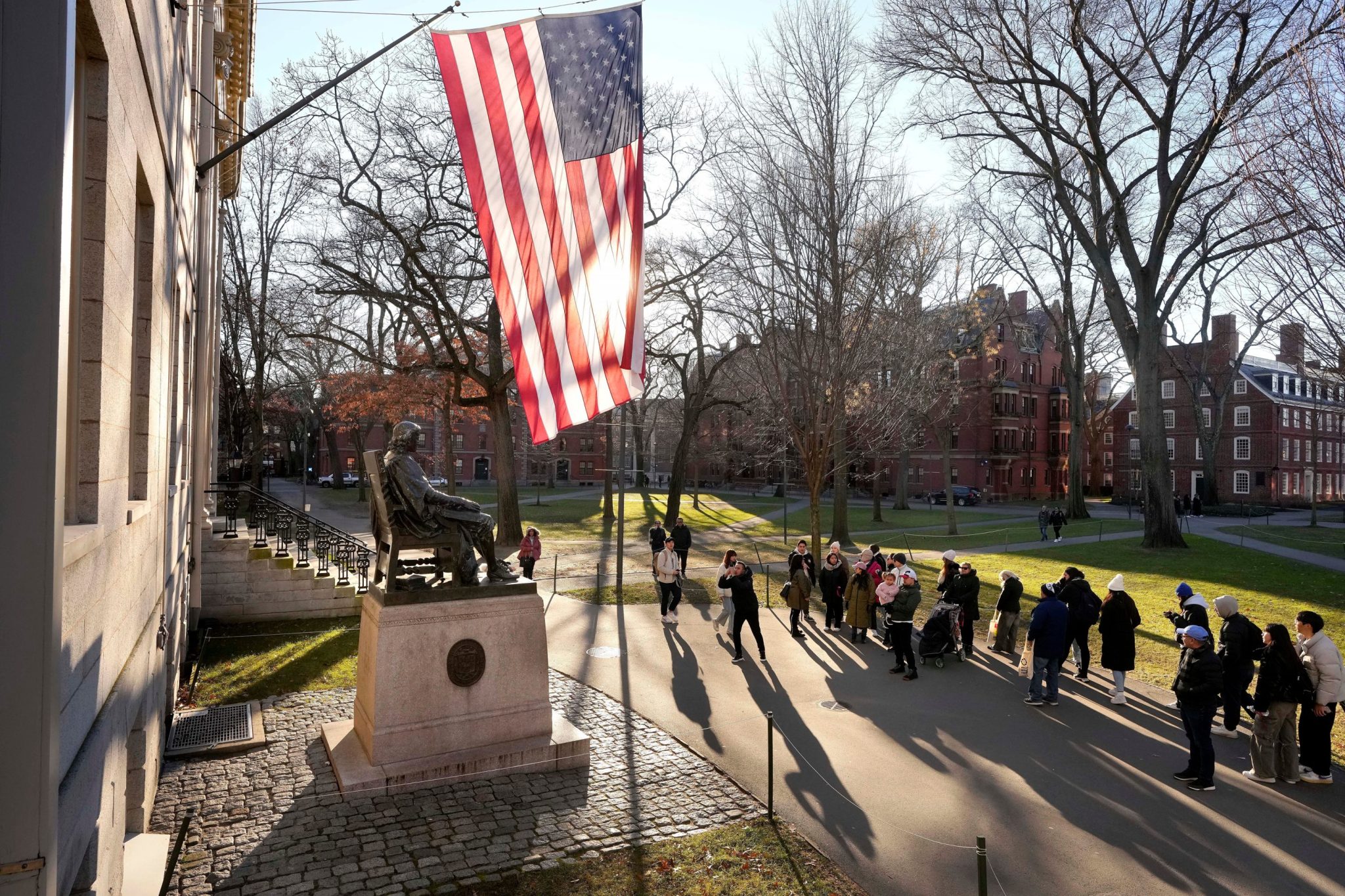
President Donald Trump is demanding $1 billion in compensation from Harvard University to end his long standoff with the Ivy League campus, doubling the amount he was previously seeking as the two sides appear to be moving away from reaching an agreement.
The president raised the stakes on social media Monday night, saying Harvard was “doing bad.” He said the university would have to pay the government directly as part of any deal — something Harvard opposes — and that his administration wants “nothing to do” with Harvard in the future.
Trump’s comments on Truth Social came in response to a New York Times report that said the president dropped his demand for a financial settlement, lowering the bar for a deal. Trump denied he backed down.
Harvard officials did not immediately comment.
Trump’s outburst appears to have left both sides firmly entrenched in a conflict that Trump has previously said is nearing an end.
In June, Trump said a deal was days away and that Harvard had acted “very well” during the negotiations. He later said an agreement was concluded which would require Harvard to put $500 million into creating a “series of trade schools” rather than government compensation.
That deal seems to have completely collapsed. In his post on social media, Trump said the trade school proposal was rejected because it was “convoluted” and “completely inadequate.”
Harvard has long been a top target of Trump in his administration’s campaign to bring down the nation’s most prestigious university. His officials cut billions of dollars in federal research funding to Harvard and tried to prevent it enrollment of foreign students after the campus refused a series of demands from the government in April.
The White House said it was punishing Harvard for allowing anti-Jewish bias on campus.
In a pair of cases, Harvard said it was unfairly penalized for refusing to adopt the administration’s views. A federal judge agreed in December, again funding cuts and calling the antisemitism argument a “smokescreen.”
Trump’s latest development comes as other parts of his campaign on higher education fizzle.
Last fall, the White House invited nine universities to join a “compact” that offered priority funding in exchange for adopting Trump’s agenda. None of the schools accepted. In January, the administration abandoning its legal defense in a Department of Education document threatening to cut funding to schools because of diversity, equity and inclusion policies.
As he takes office for his second term, Trump has made it a priority to go to elite universities that he says are overrun by liberal thinking and anti-Jewish bias. His officials froze large amounts of research funding, which colleges rely on for scientific and medical research.
Several universities have reached agreements with the White House to restore funding. Some deals include direct government payments, including $200 million from Columbia University. Brown University has agreed to pay $50 million to state workforce development groups.
___
Associated Press education coverage receives financial support from several private foundations. AP is solely responsible for all content. Find APs standards for working with philanthropists, a list of supporters and funded areas covered by AP.org.