itstargetnews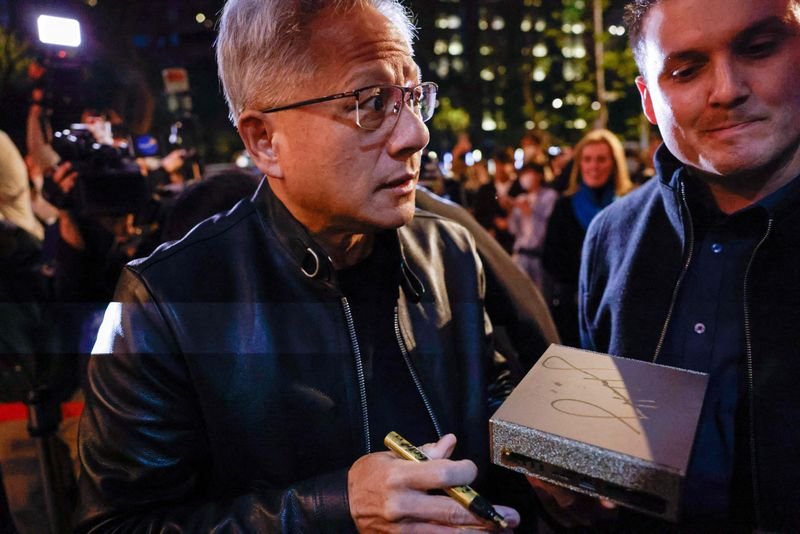
TAIPEI, January 31 (Reuters) – Nvidia plans to make a “big” investment OpenAIprobably the biggest ever, CEO Jensen Huang said Saturday, denying he was unhappy with the ChatGPT maker.
The chipmaker in September announced plans to invest up to $100 billion in OpenAI, a deal that would give OpenAI the cash and access it needs to buy advanced chips that are key to maintaining its dominance in an increasingly competitive landscape.
The Wall Street Journal reported on Friday that the plan had stalled after some at the chip giant expressed doubts about the deal.
The report said Huang had privately stressed to industry associates in recent months that the original $100 billion deal was non-binding and not finalized.
Huang has also privately criticized what he has described as a lack of discipline in OpenAI’s business approach and expressed concern about the competition it faces from GOOGL.O Google and Alphabet’s Anthropic, the WSJ said.
Speaking to reporters in Taipei, Huang said it was “nonsense” to say he was unhappy with OpenAI.
“We’re going to make a big investment in OpenAI. I believe in OpenAI, the work they do is amazing, they’re one of the most important companies of our time, and I love working with Sam,” he said, referring to OpenAI CEO Sam Altman.
“Sam is closing the (investment) round and we will absolutely participate,” Huang added. “We’re going to invest a huge amount of money, probably the biggest investment we’ve ever made.”
Asked if it would be more than $100 billion, he said, “No, no, nothing like that.”
It was up to Altman to announce how much he wanted to raise, Huang added.
Amazon is in talks to invest tens of billions in OpenAI and the figure could be as high as $50 billion, Reuters reported on Thursday.
OpenAI is looking to raise up to $100 billion in funding, valuing it at about $830 billion, Reuters previously reported.
Huang was speaking outside a restaurant in Taipei, after hosting all of Nvidia’s key suppliers in Taiwan, including the world’s largest contract chipmaker TSMC, in what Taiwanese media called the “trillion-dollar dinner” because of the combined market capitalization of the attendees.
(Reporting by Ben Blanchard, Editing by Timothy Heritage)