itstargetnews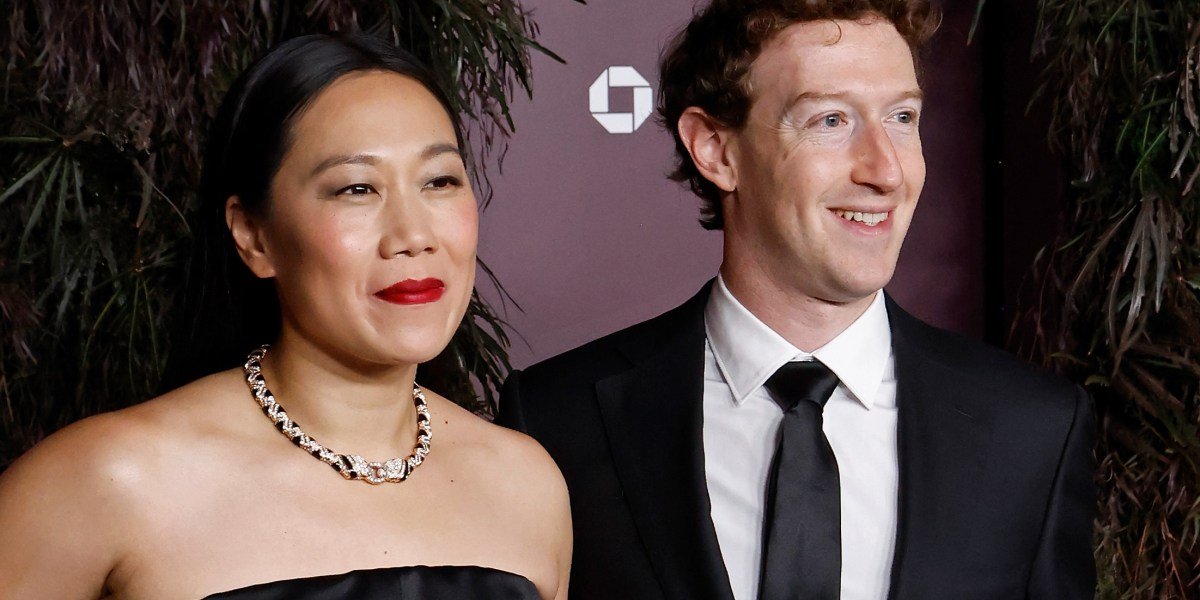
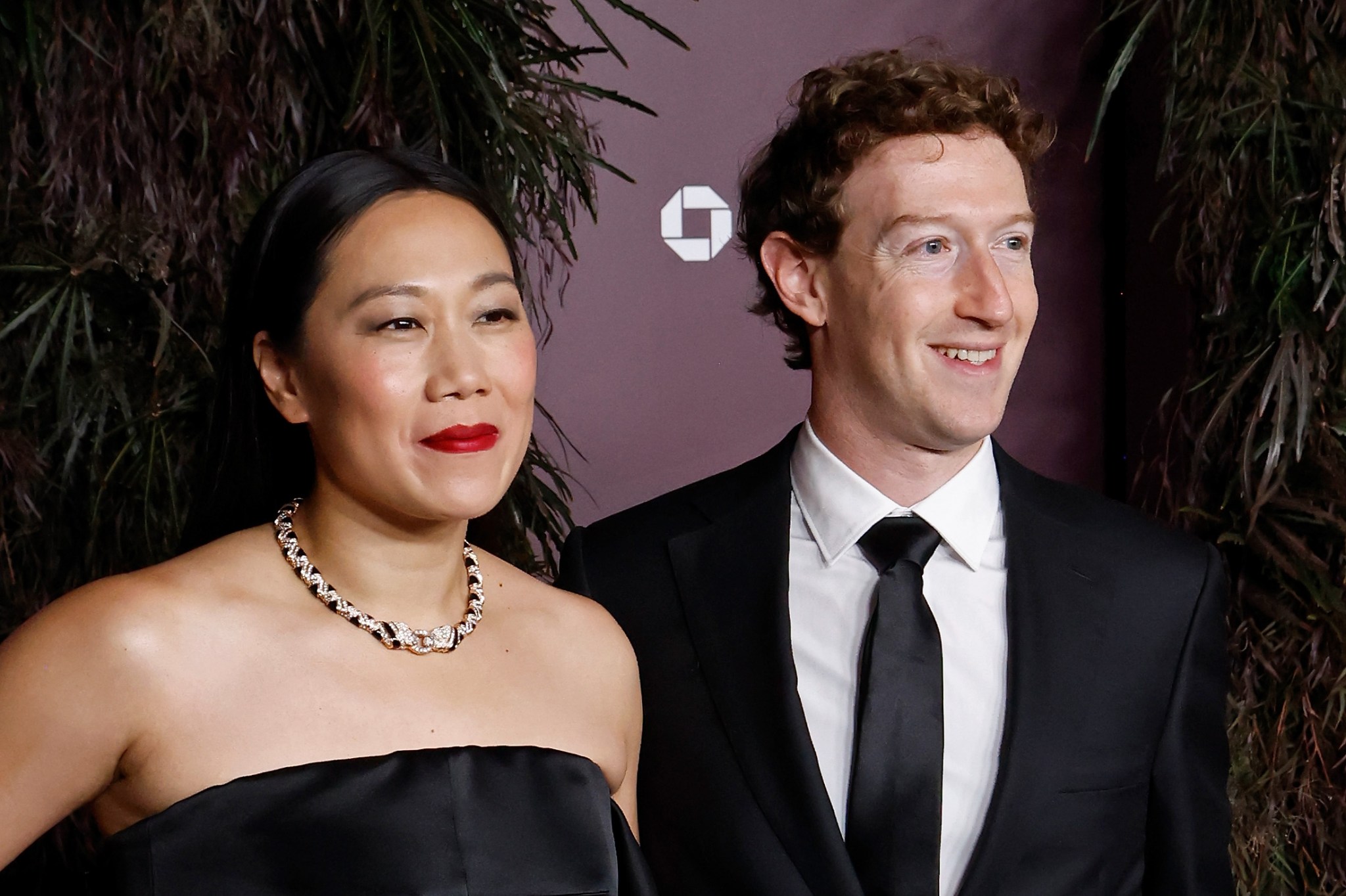
The Chan Zuckerberg Initiative is making big changes, and it’s starting in 2026 with some layoffs to recalibrate and refocus its efforts on AI-powered biomedical research.
The philanthropic organization, formed by Meta Cofounder and CEO Mark Zuckerberg and his wife, Dr. Priscilla Chan, is cutting about 70 jobs, or roughly 8% of its workforce, a CZI spokesperson confirmed in luck. The layoffs occurred primarily at the organization’s Redwood City headquarters in San Mateo, Calif.
By 2025, Zuckerberg and Chan are laying the groundwork for turning their philanthropic organization into one focused on AI-powered biomedical research, and its flagship Biohub network in particular. Their move extends a broader retreat from the couple’s earlier push for education and social-justice causes, though they will continue to make donations to local organizations.
“I feel like the scientific work we’ve done, especially the Biohub model, is the most meaningful thing we’ve done,” Zuckerberg SAYS during an event at the Biohub Imaging Institute in Redwood City in November, according to the Associated Press. “So we want to double that. The Biohub will be the main focus of our philanthropy going forward.” The couple has dedicated, through the Giving Pledge, to give away 99% of their lifetime wealth.
Their big move also highlights how big donors are racing to support science-heavy, tech-centric projects like peers like the Gates Foundation. The philanthropy started by Bill and Melinda French Gates will close in 2045 and plans to make a record $9 billion in donations this year while remaining primarily focused on health care and disease research.
Why CZI has layoffs and its pivot to Biohub
Since the Chan Zuckerberg Initiative has big plans to expand its biomedical and science focus and pull back a bit from the original focus areas of education, criminal justice reform, housing, and community development, it needs employees with expertise in their new coverage area.
While some may be assigned to other teams, the organization needs more research-heavy skills to fit the new mission, so some may need to be laid off. They receive a 60-day notice period and get a severance package with 16 weeks of base pay, health insurance, and a $10,000 stipend to help with other needs.
The layoffs came as part of a decision to concentrate resources on Biohub, a growing network of biomedical research institutes aimed at “curing or preventing all diseases,” according to Zuckerberg and Chan. It currently operates as a collaborative network of nonprofit research centers, collaborating with universities such as UC San Francisco, Stanford, UC Berkeley, Northwestern, and Columbia. Biohub is focused on advancing biomedical science, engineering, and artificial intelligence to treat, prevent, or manage all diseases. CZI will continue to hire and grow its team, but with more science-focused roles such as researchers, data scientists, computational biologists, and more.
Since starting Biohub in 2016, the couple has donated $4 billion to basic science research, and is on track to double that amount over the next decade, according to the AP. The organization has an operating budget of about $1 billion per year.
“We will continue our other philanthropic efforts, but the Chan Zuckerberg Initiative will serve as infrastructure and support for our initiatives,” the couple wrote in a blog post in November. “There are many challenges, but we believe that achieving some of the long-term aspirations of the people is also within reach.”
CZI shares Meta’s AI obsession
Like Zuckerberg’s $1.81 trillion tech company Meta, CZI goes all in on AI-focused research and results. His business and philanthropic efforts are now focused on AI, with Meta committing to spend between $115 billion and $135 billion to build “superintelligent” agents for user needs across feeds, ads, and commerce.
CZI’s Biohub is equally focused on “frontier AI” and “frontier biology,” using large-scale models for virtual cells, immune reprogramming, and disease prediction. In those efforts, Zuckerberg framed 2026 as the year of the AI revolution for the work of Meta and CZI.
“Accelerating science is the most positive impact we think we can have,” Zuckerberg and Chan wrote in a November blog post. “So we’re all going to AI-powered biology for our next chapter.”