itstargetnews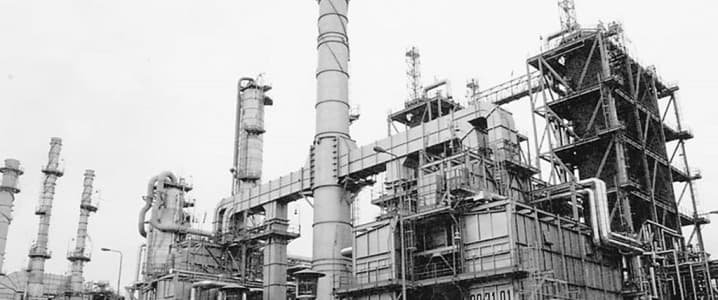
For years, Mexico has been a major buyer of U.S. fuel. The government then built a new refinery that cost $20 billion, which was planned to boost the country’s energy independence. It seems to have finally started to do so, and fuel imports are on the decline.
The Olmeca refinery, also called Dos Bocas, was the centerpiece of Mexico’s previous administration, with Andrés Manuel López Obrador at the helm, and plans for an even bigger role for state-owned Pemex in Mexico’s energy system. The project was announced to be completed in 2022 and was the first refinery to be built in Mexico in 40 years. Not only that, but Dos Bocas was going to be the largest refinery in Mexico, with a capacity of around 340,000 barrels per day.
The project took longer to complete and consumed far more money than its initial $8 billion budget, but it finally began commercial production last year. Finally, it is also increasing its capacity and has started to affect fuel imports.
Bloomberg informed This week, U.S. fuel exports to Mexico had fallen to a 16-year low by 2025 as long-delayed new refining capacity began producing gasoline and diesel. But it wasn’t just Dos Bocas. All of the refineries the company operates produced more fuel last year, according to Pemex reports: run rates were the highest since 2015.
Dos Bocas, however, has been the biggest contributor to the overall increase in refining output as it finally nears its maximum capacity. Last year, it was known when this would happen. Gasoline output stood at less than 100,000 barrels per day, despite capacity of 170,000 barrels per day, and even fell below 50,000 barrels per day in August. But since then, refining rates have been rising, and in December the refinery was operating at 77.5% of installed capacity, according to Bloomberg.
That’s in line with the Obrador administration’s original plans, but it’s bad news for U.S. refiners, which have been both buyers of heavy crude from Mexico and sellers of refined products made from that crude. Now, the dynamic is changing.
“U.S. refineries need heavy crude, and the U.S. is rapidly losing Mexican and Canadian oil,” energy consultant John Padilla told Bloomberg. “Venezuelan oil can’t fill gaps as quickly as Trump would hope.”
In fact, Mexico’s crude oil exports have been on the slide amid the renaissance of the refiner. Between 2020 and 2025, the daily average fell from about 1.1 million barrels to 503,000 barrels in December last year. Not only that, but in that month, outgoing shipments of Pemex’s flagship Maya grade fell to 253,000 barrels, down 86% from 2020, commodities analyst Natalia Katona reported earlier this month. Still, average run rates at Mexico’s seven refineries remain well below the plate’s peak, he noted, with that peak at 1.98 million bpd and actual run rates at 1.14 million bpd in November last year, the highest in 10 years. The number may be well below the peak, but it is an improvement over previous run rates, which tended to be below 50% of capacity utilization at refineries.